

Written by Teerth Busa: Health & Fitness Content Writer
Teerth Busa researches exercise, fitness, nutrition, mental well-being, and healthy lifestyle topics using reputable health organizations and scientific sources. His content is written to make health and fitness information simple, practical, and easy to understand.
Key takeaways
- Light walking after a meal can reduce the post-meal rise in blood sugar and insulin compared with sitting. Standing helps a little, walking helps more.
- Even 2 to 5 minutes appeared useful in short-term studies. You do not need a long workout.
- In one trial of adults with type 2 diabetes, 10-minute walks after meals did better for post-meal glucose than a single 30-minute walk at an unspecified time.
- Most of this research measures blood markers over hours or days. It does not prove that the habit prevents disease on its own.
- If you have diabetes, take glucose-lowering medicine, or have heart or digestive problems, talk with your doctor before changing your routine.
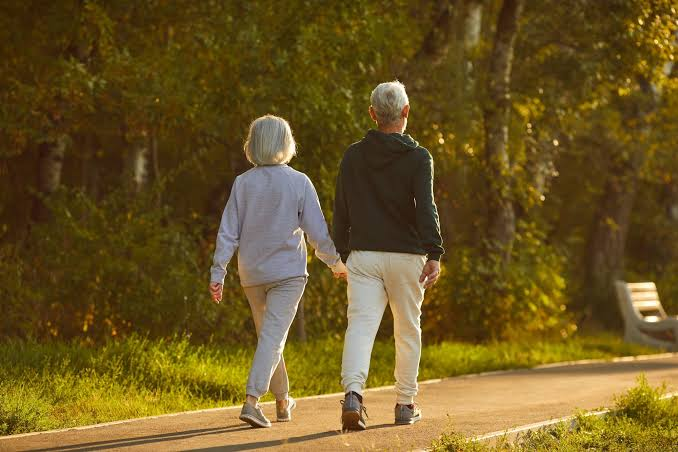
What happens in your body after you eat
When you eat, especially foods rich in carbohydrates such as rice, roti, bread, potatoes, sweets or sugary drinks, your digestive system breaks them down into glucose. Glucose enters the bloodstream, and the pancreas releases insulin to help move it into cells. This temporary rise is normal. It is called the postprandial (after-meal) glucose response.
The size and length of that rise matters more for some people than others. In people with diabetes or prediabetes, glucose can climb higher and stay high longer. Researchers also study repeated large spikes in people without diabetes because high and prolonged glucose swings are considered a risk factor for insulin resistance, type 2 diabetes and cardiovascular disease.
Your muscles are a major place where glucose gets used. When the large leg muscles contract during walking, they take up glucose from the blood, partly without needing as much insulin. That is the basic reason a short walk can flatten the curve.
What the research actually shows
Very short walks seem to help
A 2022 systematic review and meta-analysis in Sports Medicine looked at seven small, short-term studies that compared sitting with brief standing or light walking breaks. Compared with sitting, light walking significantly reduced both post-meal glucose and insulin. Standing also reduced glucose, though by less, and standing did not clearly lower insulin. Neither changed systolic blood pressure.
The breaks in these studies were short, typically a few minutes, and were repeated through the day rather than being one long session. The authors also noted that the effect looked larger in people with overweight than in those without.
There are limits. Seven studies is a small pool, participants were mostly followed for a day or so, and the authors themselves called for research in everyday, free-living conditions. So the finding is solid for “short-term glucose response” and much less certain for “long-term disease prevention.”
Ten minutes after meals versus one longer walk
A 2016 randomised crossover trial in Diabetologia followed 41 adults with type 2 diabetes. For two weeks each, they were advised either to walk 30 minutes once a day or to walk for 10 minutes after each main meal. Continuous glucose monitors tracked their blood sugar. Post-meal glucose was lower with the after-meal walks, and the difference was largest after the evening meal, when people ate the most carbohydrate and tended to sit the longest.
Two cautions. The study was small and short, and it involved people with type 2 diabetes, so you cannot assume identical results for everyone. It also compared walking after meals with walking at an unspecified time, which is not the same as showing that a 30-minute walk is bad. A walk at any time counts toward your health. The post-meal timing just appears to add something for blood sugar in particular.
What this research does not tell us
It does not show that walking after meals prevents diabetes, heart disease or any other condition by itself. It does not show a specific weight-loss result. And studies of “digestion” benefits, such as less bloating or faster stomach emptying, are far less consistent, so this article does not promise them.
Why timing and gentleness both matter
Blood sugar after a typical meal tends to peak somewhere in the first hour or two. Researchers quoted in coverage of the 2022 review suggested that moving before that peak, roughly within the first 60 to 90 minutes, is when it is most useful. In the 2016 trial, participants began walking within about five minutes of finishing the meal.
Intensity does not need to be high. A relaxed pace, where you can talk comfortably, is the kind of light walking tested in these studies. Hard exercise right after a heavy meal may feel uncomfortable for some people, so gentle is both effective and kinder to your stomach.
How to build the habit in real life
The best routine is the one you will actually keep. Here are options for different schedules and budgets. None needs equipment.
If you work at a desk
After lunch, walk to a farther water point, take the stairs for one or two floors, or do a lap of the corridor or car park. Even a few minutes counts in the research. Standing for a while is a reasonable fallback on days when walking is impossible.
If you are at home
After dinner, a slow loop around your building, terrace or lane works well. In many Indian homes, a family stroll after the evening meal already exists as a tradition. This is a good habit to protect rather than replace with phone time on the sofa. In hot, humid or rainy weather, walk indoors, pace while taking a phone call, or do light housework such as clearing the table and washing up.
If time is tight
Start with 5 minutes after the largest meal of the day, since that meal usually causes the biggest rise. Once that feels easy, add another meal. Ten minutes after each main meal adds up to 30 minutes a day, which fits within common activity guidance.
A simple starter plan
- Week 1: Walk 5 minutes after one meal, at an easy pace.
- Week 2: Make it 10 minutes after that meal, or add 5 minutes after a second meal.
- Week 3 onward: Aim for short walks after two or three meals if it suits your routine.
This is a general idea, not personal medical advice. Adjust it to how you feel.
What counts and what doesn’t
A few misunderstandings come up often.
- “I must walk immediately and for a long time.” Not according to the studies above. Short, early and easy is enough to see an effect on glucose.
- “A big dessert is fine if I walk afterwards.” A walk can soften the spike. It cannot cancel the effects of a poor overall diet. What you eat, how much you sleep and your overall activity level still matter.
- “It will burn off the meal.” A 10-minute stroll uses a modest amount of energy. Its main value here is metabolic timing, not calorie burning.
- “It replaces my regular exercise.” Not really. Public health guidance, such as the WHO’s recommendation for adults to accumulate at least 150 minutes of moderate-intensity activity a week, is about total activity. After-meal walks can contribute to that total, but they do not make strength training or more vigorous activity unnecessary.
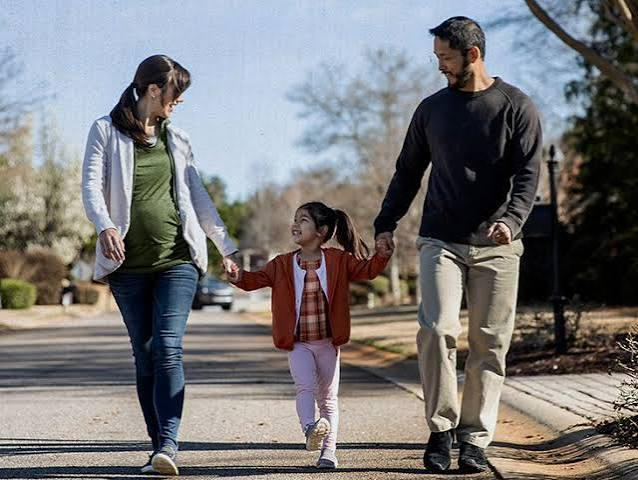
Who should be careful
For most healthy adults, a gentle walk after eating is low risk. A few situations call for more thought.
- Diabetes, especially if you use insulin or medicines that can cause low blood sugar. Extra activity can lower glucose further. Ask your doctor or diabetes educator how to monitor and adjust.
- Heart disease, chest pain, breathlessness or dizziness during activity. Get medical advice first, and stop if symptoms appear.
- Reflux, hiatus hernia or other digestive conditions. Some people feel worse with movement soon after a large meal. Try a slower pace, or wait a little.
- Pregnancy, joint problems, balance issues or recent surgery. Follow the advice from your own healthcare team.
If you notice chest pain, fainting, severe breathlessness or sudden weakness, seek medical care rather than waiting it out.
Frequently asked questions
How long should I walk after eating?
Start with 5 to 10 minutes. Studies found benefits from walks as short as 2 to 5 minutes, and a 10-minute walk after each main meal has also been tested in people with type 2 diabetes. Longer is fine if it feels comfortable, but it is not required.
Should I walk right after eating or wait?
Moving soon after finishing, within the first hour or so, matches the timing used in much of the research. If a very large or oily meal leaves you uncomfortable, wait 10 to 15 minutes or slow your pace. Personal comfort should guide you.
Is walking after dinner better than after breakfast or lunch?
The 2016 trial found the biggest improvement after the evening meal, probably because dinner was often the heaviest in carbohydrates and followed by long sitting. That does not mean other meals do not count. If you can manage only one walk, many people choose the largest meal of the day.
Can walking after meals help me lose weight?
It can add to your daily activity, which supports weight management, but the studies discussed here measured blood sugar, not weight loss. Treat it as one helpful habit, not a weight-loss method.
Does it help people without diabetes?
The 2022 review included studies in people without diabetes and still found lower post-meal glucose and insulin with light walking. Whether this leads to long-term benefits is not established, but the habit is simple, cheap and generally safe.
Is standing enough if I cannot walk?
Standing reduced post-meal glucose compared with sitting in the same review, but walking worked better, and standing did not clearly lower insulin. If walking is not possible, standing or gentle movement at home is still better than staying seated.
Conclusion
A short, easy walk after eating is one of the more practical lifestyle habits you can try. The best-supported benefit is a smaller blood sugar and insulin rise after meals, and the studies suggest you do not need to go far to see it. The long-term payoff, such as preventing disease, remains less proven, so think of it as a useful addition to a balanced diet, regular fitness and good sleep rather than a replacement for them.
A sensible next step is to pick the biggest meal of your day and walk for five to ten minutes after it, three or four days this week. If you live with diabetes or another medical condition, mention the plan at your next appointment.


Pingback: How to Build a Positive Mindset Without Toxic Positivity - FitHub365