
Written by Vardan Patel
Co-Creator & Health and Fitness Content Creator at FitHub 365
Vardan combines his personal experience with exercise and healthy lifestyle habits with research from reputable health organizations and scientific sources to create practical, beginner-friendly health and fitness content.
Key takeaways
- Deep sleep (stage N3, also called slow-wave sleep) is the stage in which the brain’s electrical activity is slowest and your body is hardest to wake. It is linked to physical repair, memory processing and recovery.
- Most deep sleep happens in the first half of the night, so cutting bedtime short or going to bed very late can reduce it.
- Deep sleep is not a magic healing switch. It works alongside enough total sleep, regular timing, good nutrition and movement.
- You can’t directly control deep sleep, but you can create conditions that protect it. Sleep apnea, some medications and heavy alcohol use can interfere with it, and these are worth discussing with a doctor.
Deep Sleep Explained: What It Is and How It Helps You Heal
You’ve probably had both kinds of mornings. On one you slept eight hours and still woke up groggy. On another you slept six and felt oddly fine. The difference is often not the number of hours but what kind of sleep filled them.
Sleep isn’t one uniform state. Through the night your brain moves through distinct stages, and one of them, deep sleep, is where much of the body’s overnight maintenance seems to happen. This article explains what deep sleep is, what it does for healing and recovery, what researchers know and don’t yet know, and what you can realistically do to protect it.

What deep sleep actually is
Sleep is divided into non-REM (NREM) sleep, which has three stages (N1, N2, N3), and REM sleep. N1 is the lightest, the drowsy transition as you drift off. N2 is a deeper but still light sleep. N3 is deep sleep, also called slow-wave sleep because of the large, slow brain waves, known as delta waves, that appear on an EEG recording.
Over a night these stages repeat in cycles of roughly 90 to 100 minutes. Early cycles contain the most deep sleep, and REM periods get longer toward morning. That’s why the first few hours after you fall asleep matter more for deep sleep than the last few. cdutcm
A few features make deep sleep distinctive:
- It’s the hardest stage to be woken from. If someone wakes you from it, you’ll usually feel confused and heavy for a few minutes. This is called sleep inertia.
- Breathing and heart rate slow, and muscles relax.
- Dreams can occur, but vivid dreaming is more typical of REM.
How much deep sleep you get varies with age, prior sleep, body clock timing and health. Younger people tend to have more of it. Older adults typically have less, and their sleep becomes lighter and more broken, though the underlying need for sleep doesn’t disappear.
How deep sleep supports healing
“Healing” here covers several things: recovering from a hard workout, getting over a cold, repairing everyday tissue wear, and clearing mental fatigue. The evidence differs for each, so it helps to take them one at a time.
Physical repair and growth hormone
In adults, the largest daily release of growth hormone tends to occur in the early part of the night, closely tied to slow-wave sleep. Growth hormone helps with tissue maintenance and repair, and in children it supports growth. This link has been seen consistently in sleep research. Still, it’s a relationship between deep sleep and a hormone pulse, not proof that more deep sleep produces faster healing in any given person.
Muscle recovery after exercise is often attributed to this stage. That’s plausible, and athletes who sleep too little generally report poorer recovery and performance. But deep sleep in isolation hasn’t been shown to be the single driver, so it’s safest to say sleep as a whole supports recovery, with deep sleep as an important part.
Immune function
When you’re ill, you often feel sleepier than usual, and researchers think that isn’t accidental. Sleep and the immune system influence each other in both directions. Studies on vaccination, for example, have found that people who were short on sleep produced weaker antibody responses in some cases. Most of this evidence is about total sleep loss or short sleep, not deep sleep specifically.
So the honest summary is that regular, sufficient sleep supports normal immune function. It won’t prevent illness, and an extra hour of sleep during a cold isn’t a cure. It’s one thing that helps your body do its work.
Memory and brain recovery
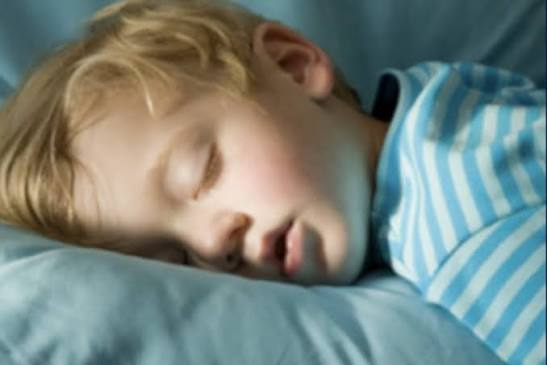
Slow waves seem to help the brain sort and store what you learned during the day. Researchers describe slow oscillations organizing faster rhythms called sleep spindles, which are linked with memory consolidation. This is why a good night’s sleep before an exam usually beats an all-nighter.
You may also have read that deep sleep “washes” the brain. The idea comes from the glymphatic system, a waste-clearing pathway first described in mouse studies, where clearance of metabolic by-products appeared higher during sleep. Research in humans is still developing, and it would be premature to say that more deep sleep protects against dementia. This is an active research area, not settled fact.
Energy use and metabolism
During deep sleep the brain’s energy use drops compared with waking. Alongside other overnight changes, this is one reason poor sleep is linked in large studies to higher risks of high blood pressure, type 2 diabetes and weight gain. These are associations from population data. They show that sleep matters, not that deep sleep alone is responsible.
How much deep sleep do you need?
There’s no widely accepted personal target you should chase. In healthy adults deep sleep is roughly a fifth of a night’s sleep on average, but this varies a lot from person to person and falls with age.
The more useful goal is getting enough total sleep. Adults aged 18 to 60 are advised to sleep at least seven hours a night, a recommendation from the American Academy of Sleep Medicine and the Sleep Research Society that the CDC has also cited in its public health reporting. If you sleep enough, in a quiet and regular pattern, your brain usually allocates deep sleep on its own. sleepreviewmag
A caution about sleep trackers
Smartwatches and rings often report “deep sleep minutes” in tidy graphs. Consumer devices estimate sleep stages from movement and heart rate, and they’re less accurate than a clinical sleep study at telling stages apart. Treat the numbers as rough trends, not a medical measurement. How you feel in the morning and during the day tells you more.
What can reduce deep sleep
You can’t force deep sleep, but several things can disrupt it.
Short or irregular sleep. Because deep sleep is front-loaded, the first sleep cycles matter. Going to bed at very different times each night, or staying up far past your usual hour, can reduce its quality.
Alcohol. A drink may make you fall asleep faster, but alcohol tends to fragment sleep later in the night and can leave you less rested. It’s a poor sleep aid.

Caffeine late in the day. Many Indian readers drink chai through the afternoon and evening. Caffeine can stay in the body for hours, and sensitivity varies. If you sleep lightly, try moving your last cup earlier and see whether it helps.
Sleep disorders. Conditions such as obstructive sleep apnea disrupt sleep stages, deep sleep included. Loud snoring, pauses in breathing, gasping at night and heavy daytime sleepiness are reasons to see a doctor.
Some medications. Certain medicines can change sleep stages. Don’t stop a prescribed medicine on your own. If you suspect it’s affecting your sleep, ask your doctor or pharmacist.
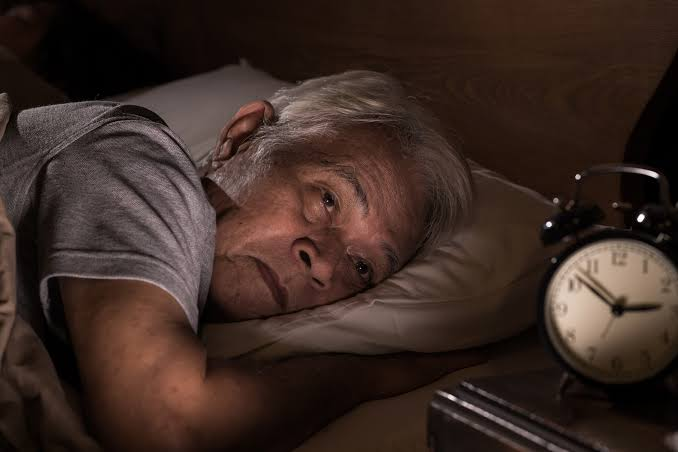
Age and health. Deep sleep declines naturally with age, and pain, anxiety and other health problems can interfere. This isn’t a personal failing.
Heat and noise. In hot, humid weather, or in a noisy neighbourhood, a body that is trying to cool down for sleep can be disturbed repeatedly even if you don’t fully wake.
Realistic ways to protect deep sleep
None of these is a guaranteed fix, and the evidence for each differs, but they are reasonable, low-cost places to start.
Keep a consistent schedule
Try to go to bed and wake at similar times, within an hour or so, even on weekends. This is the easiest habit to set and one of the most consistently recommended. Shift workers and people with night duties, such as those in call centres, can still aim for a regular pattern with a dark, quiet room during the day.
Build a wind-down routine
Dim the lights and put away the phone about 30 to 60 minutes before bed if you can. If that’s unrealistic, start with 15 minutes. The point is to give your brain a signal that the day is over. A warm shower, light reading or gentle stretching are all fine.
Make the bedroom suited to sleep
Aim for dark, quiet and reasonably cool. If you can’t use an air conditioner, a fan, light cotton bedding and a damp cloth on a hot night can help. Earplugs and an eye mask cost little.
Time your food and caffeine
A very heavy dinner right before bed can cause discomfort, and a light evening meal tends to be easier on sleep. Warm milk is a traditional bedtime habit in many Indian homes. There’s little strong evidence that it improves deep sleep, but if the ritual relaxes you, it does no harm for most people, apart from those who avoid dairy.
Move your body during the day
Regular physical activity is linked with better sleep quality, and some studies suggest it may increase slow-wave sleep modestly. The effects are small and not guaranteed, but exercise helps in many other ways. If vigorous workouts late in the evening keep you wired, shift them earlier.
Get daylight early
Morning light helps set your body clock, which in turn makes it easier to feel sleepy at night. Even ten to fifteen minutes outdoors counts.

What to skip
Skip supplements marketed as “deep sleep boosters” unless a doctor advises one. Evidence for most of them is limited, and quality varies. Also skip sleeping pills as a routine fix, since many have side effects and can change sleep stages themselves.
Common misconceptions
“If I can’t remember my dreams, I didn’t sleep deeply.” Dream recall has little to do with how restorative your sleep was.
“I can catch up on deep sleep on the weekend.” Extra sleep after a poor week can help you feel better, but a lasting routine works better than repeatedly paying back a debt.
“More deep sleep is always better.” Not necessarily. Your body takes what it needs within normal limits, and chasing a number on a tracker can create sleep anxiety, which makes sleep worse.
“Deep sleep will fix an injury or illness.” It supports recovery. It doesn’t replace medical treatment, rest, nutrition or rehabilitation.
When to see a doctor
Consider professional advice if you regularly sleep seven or more hours and still feel exhausted, if you snore loudly or stop breathing in your sleep, if you have trouble falling or staying asleep for more than a few weeks, or if you fall asleep during the day at unsafe times, such as while driving. A doctor can check for sleep apnea and other causes, and can review medicines that may be involved.
Frequently asked questions
Is deep sleep the same as REM sleep?
No. Deep sleep is a non-REM stage with slow brain waves. REM is a separate stage with brain activity closer to wakefulness, rapid eye movements and most vivid dreaming. Both matter, and they serve different roles.
How many hours of deep sleep should I get?
There’s no single number for everyone. In healthy adults it’s roughly a fifth of total sleep on average, and it gets lower with age. Focus on sleeping enough total hours at regular times rather than on a deep sleep target.
Can I increase deep sleep naturally?
You can improve conditions for it by keeping a regular schedule, limiting alcohol and late caffeine, staying active and sleeping in a cool, dark, quiet room. The effects vary, and you can’t directly command deep sleep.
Why do I wake up tired after eight hours?
Possible reasons include fragmented sleep, sleep apnea, stress, irregular timing, alcohol or an underlying health issue. If it continues, speak to a doctor.
Does a nap count as deep sleep?
A short nap of 20 minutes or less usually stays in light sleep. Longer naps can include deep sleep, which is why waking from them can feel groggy.
Are sleep trackers accurate for deep sleep?
Not very, compared with a clinical sleep study. Use them as rough guides and rely on how rested you feel.
Conclusion
Deep sleep is one of the ways the body and brain repair and reset overnight. It supports physical recovery, memory and normal immune function, though researchers are still working out precisely how much each effect depends on this stage alone.
The practical message is straightforward. Protect your total sleep, keep your timing regular, limit things that fragment sleep, and see a doctor if you have signs of a sleep disorder. A good first step is to pick a consistent wake-up time for the next two weeks and notice how you feel. If your sleep still doesn’t improve, that’s useful information to bring to a health professional.