
Written by Vardan Patel
Co-Creator & Health and Fitness Content Creator at FitHub 365
Vardan combines his personal experience with exercise and healthy lifestyle habits with research from reputable health organizations and scientific sources to create practical, beginner-friendly health and fitness content.
Key takeaways
- Poor sleep means too little sleep, broken sleep, or sleep at the wrong time of day. Any of these can affect your health.
- Adults are generally advised to get at least seven hours a night.
- Short or disrupted sleep is linked to problems with attention, mood, blood pressure, blood sugar, appetite and immunity.
- Many of these links come from observational studies. They show association, not proof that sleep alone caused the problem.
- Small, steady changes to your routine usually work better than dramatic overhauls. Persistent sleep problems deserve a doctor’s attention.
How Poor Sleep Affects Your Entire Body
You slept badly, and by mid-afternoon you can’t focus, you’re snappish, and you’ve had three cups of chai to stay upright. Most people treat this as a minor nuisance. The body doesn’t. Sleep isn’t a pause in your day. It’s when a lot of maintenance work happens, and when it’s repeatedly cut short, the effects reach far beyond tiredness.
The short answer to the title question is that poor sleep can affect your brain, mood, heart, metabolism, immune system and physical recovery. This article explains how, what the evidence supports and where it falls short, and what you can realistically do about it.
What counts as poor sleep?
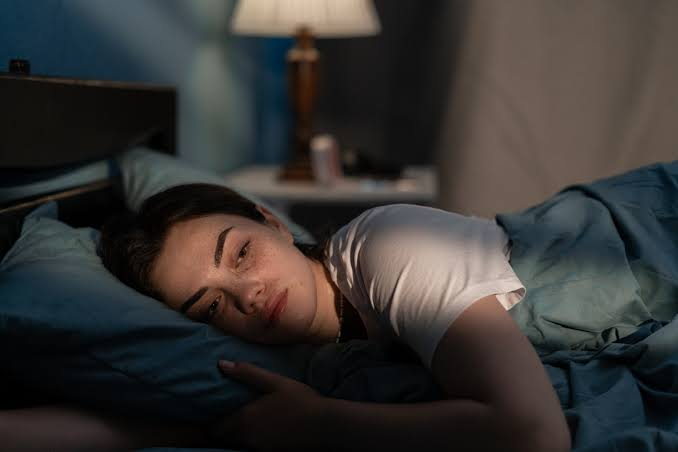
It’s not only about the number of hours. Poor sleep can mean:
- Too little sleep. Regularly getting fewer hours than your body needs.
- Broken sleep. Waking repeatedly, so the night looks long on paper but isn’t restful.
- Mistimed sleep. Sleeping at irregular hours, or at odd times because of shift work.
For adults, the American Academy of Sleep Medicine and the Sleep Research Society recommend at least 7 hours a night for adults aged 18 to 60. Many people fall short. In a US survey of more than 440,000 adults, about 35 percent said they usually slept less than 7 hours a night. That data is American and from 2014, so treat it as an illustration of how common short sleep is, not as a figure for India or the world. cdclivescience
Needs vary a little from person to person, and teenagers need more than adults. If you wake up refreshed after seven hours, you probably don’t need to worry about being a few minutes off the “ideal.”
Your brain and mood
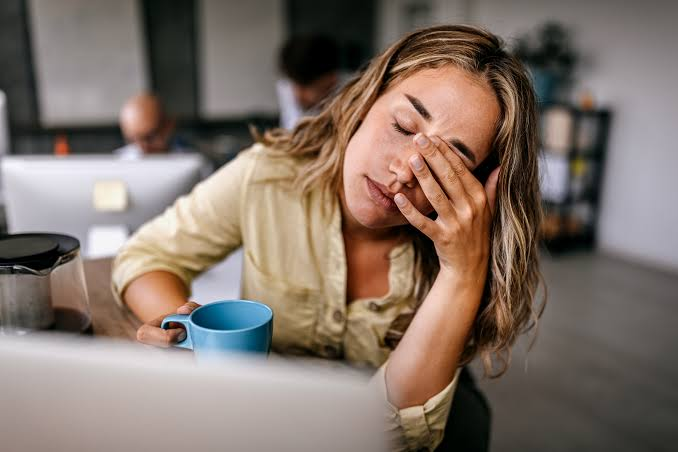
This is the effect people notice first. After a short night, concentrating is harder, small tasks feel heavier, and patience runs thin. A CDC report summarized in the news found that tired adults reported difficulty concentrating, remembering things, and driving or commuting. Fox News
Mood is closely tied to this. Poor sleep and emotional strain feed each other: stress makes it harder to sleep, and bad sleep makes stress harder to handle. The CDC links short sleep with frequent mental distress. This is an association. It doesn’t mean poor sleep causes depression or anxiety on its own, and it doesn’t mean every bad week of sleep is a mental health problem. cdc
Your heart and blood pressure
Researchers at the National Heart, Lung, and Blood Institute (NHLBI) have said that over a lifetime, sleep deprivation affects the heart, the immune system and emotional well-being. The CDC also lists high blood pressure, heart disease and stroke among the conditions associated with sleeping under seven hours. nihishn
Some of the strongest mechanism work comes from animal studies. One NHLBI-funded study used mice bred to develop atherosclerosis to explore how sleep protects the heart. That is useful science, but results in mice don’t automatically carry over to people. NHLBI also notes that regular go-to-bed and wake-up times may especially benefit the heart, which is one reason a steady schedule matters. agemednih
Blood sugar, appetite and weight
Short sleep is consistently linked with higher risks of obesity and diabetes. The CDC names both among conditions associated with sleeping less than seven hours. ishn
Research on why this happens points to several routes. Tired people often feel hungrier, crave quick-energy food, and have less willpower at 10 p.m. when the biscuits are within reach. Sleep loss may also make the body less efficient at handling blood sugar. These mechanisms are plausible and widely studied, but this paragraph needs a primary source before publication (see the checklist).
None of this means sleep alone determines weight. Food, movement, genetics and medical conditions all matter. Better sleep makes healthier choices easier. It doesn’t replace them.
Your immune system
You may have noticed you catch more colds when you’re run down. The research is catching up with that experience. A Mount Sinai study, funded partly by NIH institutes, found that in both humans and mice, disrupted sleep changes the programming and production of immune cells. After six weeks of sleep restriction, participants had an increased number of immune cells. mountsinaimountsinai
The most striking finding was that recovery sleep did not fully reverse these changes. This is one research group’s work and the findings are still early, so it’s best read as a reason to take consistent sleep seriously, not as proof that damage is permanent. It also doesn’t mean catching up on a weekend is pointless. It means it may not be a full substitute. mountsinai

Physical recovery and fitness
If you exercise, sleep is part of your training. Muscles repair and adapt after a workout, and tired people tend to exercise less, with less energy and less focus on technique. Poor sleep may also raise injury risk and make workouts feel harder than they should.
This is broadly accepted in sports medicine, but this article doesn’t cite a specific study for it. Treat it as general guidance, and add a source if you’d like to make stronger claims.
The danger most people underestimate: drowsy driving
Sleepiness slows reaction time and attention, which is a real risk on the road. In the CDC data mentioned above, adults reported difficulty driving or commuting when tired. If you feel heavy-eyed behind the wheel, pull over somewhere safe. Coffee helps briefly, but it doesn’t replace sleep. Fox News

What the evidence does not show
A few honest limits are worth knowing:
- Most findings are associations. People who sleep poorly may also be more stressed, less active or living with another health condition. Studies try to adjust for this, but they can’t fully separate the causes.
- Naps don’t fix everything. NHLBI’s Michael Twery has said naps can relieve sleepiness but don’t support the body’s circadian rhythm. A nap is better than nothing, but it isn’t the same as a full night. nih
- A bad night is not a health emergency. The concern is mostly about patterns that repeat for weeks and months.
- Sleep is not a cure. Better sleep supports good health, but it can’t guarantee that you avoid any particular illness.
How to improve your sleep, realistically
You may not control your work shifts, your noisy neighbours or a baby who wakes at 3 a.m. Start with what you can adjust.
Keep a steadier schedule. The CDC suggests going to bed at the same time each night and rising at the same time each morning. If your current schedule is chaotic, shift bedtime by 15 to 20 minutes at a time rather than overhauling everything at once. cdc
Make the bedroom friendlier to sleep. The CDC recommends a quiet, dark room that is not too hot or too cold. In a warm climate, that might mean a fan, lighter bedding and thicker curtains, not an expensive purchase. livescience
Move screens out of reach. The CDC advises turning off or removing TVs, computers and mobile devices from the bedroom. If that feels impossible, start by putting your phone across the room, not under your pillow. cdc
Watch the timing of caffeine and late meals. Tea, coffee and cola late in the day can delay sleep for some people. Heavy late dinners can leave you uncomfortable at night. Individual sensitivity varies, so experiment gently. If you suspect caffeine, try moving your last cup earlier by a couple of hours.
Add a small wind-down. Ten minutes of dim light, a warm shower, a few pages of a book or some quiet stretching can signal that the day is ending. It doesn’t need to be elaborate.
If your shifts rotate or you have a newborn, accept that your sleep will be imperfect. Protect one block of dark, quiet sleep when you can, and ask for help with other tasks.
When to speak to a doctor
See a qualified health professional if you:
- struggle to sleep for weeks despite good habits,
- snore loudly or seem to stop breathing or gasp during sleep (a possible sign of sleep apnoea),
- feel extremely sleepy during the day even after a full night,
- have mood changes that are persistent or worrying, or
- are using sleeping tablets or other substances to get through the night.
This article is general education and can’t tell you what’s happening in your own body.
FAQs
How many hours of sleep do adults need?
Most adults are advised to get at least seven hours a night. Some people feel best with a little more. Quality matters too, so seven broken hours may not feel the same as seven solid ones.
Can I catch up on sleep over the weekend?
It can help you feel better, but it may not fully undo a week of short nights. The Mount Sinai findings above suggest recovery sleep doesn’t completely reverse some effects, though that research is early. A consistent schedule is the safer bet.
Is waking up at night normal?
Brief awakenings are common and often forgotten by morning. It’s worth getting advice if you’re awake for long stretches most nights or feel unrefreshed during the day.
Does poor sleep cause weight gain?
It’s associated with a higher risk of obesity, but it isn’t the only factor. Poor sleep can change appetite and energy, which can make healthy habits harder to maintain.
Do sleep trackers and apps help?
They can show patterns, such as irregular bedtimes, but they aren’t medical devices and can be inaccurate. Don’t let a low “sleep score” worry you if you feel fine.
Conclusion
Poor sleep isn’t just a feeling of tiredness. It touches your focus, mood, heart, metabolism and immune system, even though research can’t yet say precisely how much of the damage sleep alone is responsible for. The practical message is to treat sleep as part of your health routine rather than whatever time is left over.
Pick one change this week, such as a fixed wake-up time or keeping your phone out of reach at night, and see how you feel after a couple of weeks. If sleep problems persist, talk to a doctor.