Written by Vardan Patel
Co-Creator & Health and Fitness Content Creator at FitHub 365
Vardan combines his personal experience with exercise and healthy lifestyle habits with research from reputable health organizations and scientific sources to create practical, beginner-friendly health and fitness content.
Key Takeaways
- Your body responds to changes in temperature, daylight and humidity, mostly in small ways. The effects are real but not equal for everyone.
- Flu and colds peak in winter in cooler climates, but in tropical regions they can appear all year. Mosquito-borne illness follows the rains.
- Winter can nudge blood pressure up slightly, and heat can worsen existing heart, kidney and lung conditions. People with chronic conditions need to plan ahead.
- A mood dip with the seasons is common. A pattern of depression that returns every year deserves professional attention.
- Adapting early, a week or two before the weather turns, works better than reacting after you feel unwell.
How Season Change Affects Your Health, and What You Can Do About It
You wake up one morning in late October and the air feels different. By the weekend you have a scratchy throat and heavy limbs, and your sleep feels off. Or it’s March, the afternoons are getting hot, and you’re suddenly tired by 3 p.m. Most people have had a week like this. Few ask whether the weather had anything to do with it.
Short answer: yes, it often does. Your body adjusts to temperature, daylight and humidity all the time. When those shift quickly, the adjustment can show up as illness, low energy, disturbed sleep or a flatter mood. This article explains what is happening and how to prepare. It also covers which fears are overblown, and when a seasonal pattern is worth taking to a doctor.
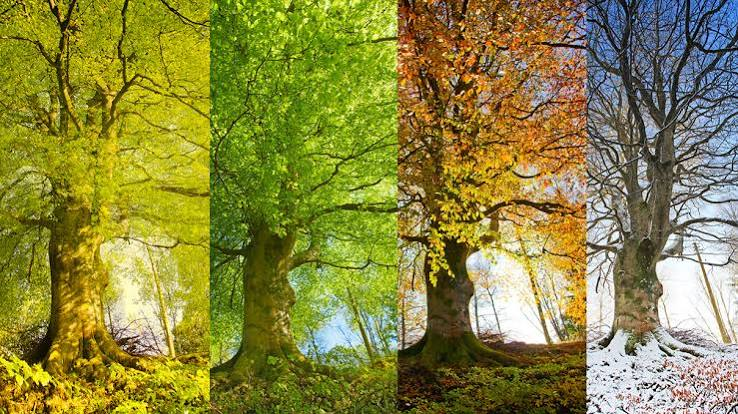
What Actually Changes When Seasons Shift
Three things do most of the work.
Temperature. Your body holds its core temperature within a narrow range. In the cold, blood vessels narrow to keep heat in. In the heat, you sweat and blood vessels widen to let heat out. Both responses ask more of your heart and circulation.
Daylight. Light helps set your internal body clock. As days get shorter or longer, the timing of sleep, alertness and hormones like melatonin can shift.
Environment. Humidity, rainfall, air quality and how much time people spend indoors together all change with the seasons. That affects which germs and insects are around.
None of this means you’ll get sick every time the weather changes. It means your margin for error gets slightly smaller during transitions, so small habits matter more.

Colds and Flu: Why Winter Gets the Blame
The World Health Organization notes that in temperate climates, seasonal flu epidemics occur mainly during winter, while in tropical regions flu may occur throughout the year, with more irregular outbreaks. essensys
This matters for Indian readers, because “flu season” is not as tidy here as in Europe or North America. Many people also assume that cold air itself causes colds. That isn’t quite right. Viruses cause colds and flu. Cold, dry weather may make it easier for them to spread, and people crowd indoors with less ventilation. But the virus still has to reach you.
The same WHO source describes flu as spreading easily, with rapid transmission in crowded places such as schools and nursing homes. You can’t control the weather, but you can control some of the conditions around you: essensys
- Open a window for a few minutes a day, even in winter.
- Wash hands before meals and after public transport.
- Stay home when you have a fever, so the virus doesn’t pass to others.
- Ask a doctor or pharmacist about flu vaccination, especially if you’re older, pregnant, or have a long-term condition. WHO calls vaccination the most effective way to prevent influenza. who
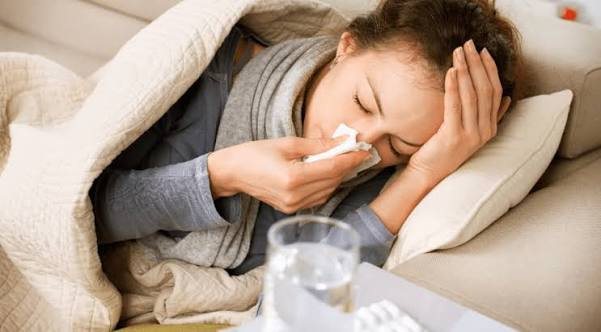
Monsoon and Post-Monsoon: Water, Mosquitoes and Stomach Trouble
In much of South Asia, the biggest seasonal shift isn’t cold to hot. It’s dry to wet.
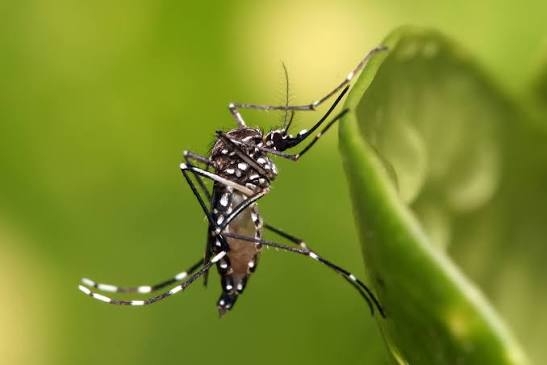
WHO states that dengue is widespread throughout the tropics, and local risk is influenced by rainfall, temperature, humidity and unplanned rapid urbanization. Standing water in flower pot trays, coolers, old tyres and buckets can become breeding ground. A practical monsoon habit is to empty and scrub containers that hold water once a week. essensys
Know the warning signs too. Most dengue cases are mild, but WHO describes warning signs of severe dengue as appearing 3 to 7 days after the first symptoms, including severe abdominal pain, persistent vomiting, rapid breathing, bleeding gums, restlessness and blood in vomit. Fever that lasts several days, especially with any of these, needs medical attention rather than home treatment. google
Water-related stomach infections also tend to rise in wet weather, though I haven’t cited a source for that, so your editor may want to add one. Boiled or properly filtered water and freshly cooked food are sensible precautions whatever the evidence level.
Winter and Your Heart
Cold can raise blood pressure a little. A study presented at the American Heart Association’s Hypertension Scientific Sessions in 2023 looked at records of more than 60,000 adults treated for high blood pressure. It found that systolic pressure was about 1.7 mm Hg higher in winter than in summer, and blood pressure control rates dropped by about 5%. labroots
That difference is small for any one person. It matters mainly for people whose blood pressure is already borderline or hard to control. It was also a conference presentation, which means it hadn’t completed full peer review when it was reported. Treat it as a signal, not a verdict.
AHA News also reports that heart attacks, angina and other heart events appear to rise in both winter and summer. The reasons are partly physical (cold narrows blood vessels, while heat can dehydrate and thicken the blood) and partly behavioural. People often eat more salty, rich food and drink more over winter holidays, and exercise less. heart
What this means in practice:
- If you take blood pressure medication, don’t stop or adjust it on your own when the season changes. Mention seasonal changes at your next check-up.
- If you have heart disease or are over 65, avoid sudden heavy exertion in the cold. Cardiologists specifically warn against activities like shovelling snow.
- Keep exercising in winter. Layer up and move indoors if it’s very cold. Don’t use cold weather as a reason to stop entirely.

Summer Heat: More Than Feeling Tired
Heat doesn’t only make you uncomfortable. WHO notes that excessive heat can cause heatstroke, heat exhaustion and heat cramps, and can worsen chronic conditions such as heart and lung disease, kidney disorders and mental health problems. ghhin
Heat exhaustion tends to start with heavy sweating, headache, dizziness, thirst, cramps and weakness. A WHO-linked summary describes heatstroke as a medical emergency with a high case fatality rate. If someone is confused, stops sweating, has hot dry skin or faints, call emergency services instead of waiting. jamaica-gleaner
Risk is not equal. The groups that struggle most include older adults, young children, people taking certain medications and people with chronic conditions, though anyone can be affected. Outdoor workers, delivery riders and farm workers face high exposure because they can’t always avoid the hottest hours. heathealth
Practical steps that don’t need money or special equipment:
- Drink water regularly through the day instead of waiting until you’re thirsty.
- Traditional drinks like chaas (buttermilk), lemon water with a pinch of salt, and coconut water can help replace fluids and some salts. Plain water is still fine.
- If you’ve had a few days of vomiting or diarrhoea, oral rehydration solution (ORS) is designed for this and is safer than sugary drinks.
- Wear loose, light-coloured cotton, and avoid hard physical work in the afternoon heat where you can.

Mood and Energy: When Seasons Affect How You Feel
Feeling flatter in dark, cold months, or more irritable in a hot, humid stretch, is common. For a smaller number of people the pattern is stronger and returns every year.
The US National Institute of Mental Health describes seasonal affective disorder (SAD) as a type of depression characterized by a recurrent seasonal pattern, with symptoms lasting about four to five months per year. In most cases it starts in late autumn or early winter. NIMH lists oversleeping and overeating, particularly craving carbohydrates, among the winter-pattern symptoms, alongside general depression symptoms like low energy and loss of interest. A rarer summer pattern exists too. rmh
Treatments include light therapy, talking therapy (including a form of cognitive behavioural therapy adapted for SAD) and, in some cases, medication. A Mayo Clinic psychologist quoted by HealthDay describes light therapy as one of the most effective treatments for SAD, usually a 10,000-lux light box used for about 20 minutes early in the day. Light boxes aren’t a casual purchase, though. Speak to a doctor first, because the right device and timing matter. drugs
If low mood lasts more than two weeks, interferes with daily life, or includes thoughts of self-harm, please seek professional help rather than waiting for the season to pass. In India, a doctor, a psychiatrist or a helpline such as Tele-MANAS (14416) can be a first step. Editor: please verify that number before publishing.
Sleep and Daylight
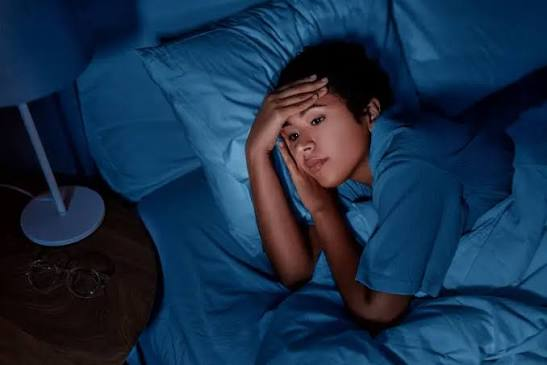
Sleep problems often arrive with season change, though I haven’t attached a specific source here. Shorter winter days can make you drowsy earlier, while long summer evenings and heat can delay sleep. Shift workers and students already juggling irregular schedules tend to feel the transition more.
A few habits that help regardless of season:
- Keep wake-up time roughly consistent, even on weekends.
- Get outdoor light within an hour of waking where possible. Even a cloudy sky is brighter than most indoor rooms.
- Keep the bedroom cool and dark in summer, and avoid very heavy blankets or overheated rooms in winter.
- Limit phone use in bed, because late-night scrolling pushes sleep later whatever the season.
A Simple Seasonal Adjustment Plan
You don’t need a complicated routine. A short checklist a week or two before the weather turns is enough.
Before winter: Check your blood pressure if you’re in a higher-risk group. Review your vaccination status with your doctor. Plan indoor exercise for cold days. Think about warm, filling meals with dal, vegetables, whole grains and seasonal produce rather than relying on fried or sugary snacks.
Before summer: Plan water breaks into your day. Shift outdoor exercise to early morning or evening. Check how any medication you take interacts with heat. Ask a pharmacist if unsure.
Before the monsoon: Clear standing water around your home. Use mosquito protection such as nets or repellent if appropriate. Keep a basic supply of ORS at home.
The point isn’t to follow all of this perfectly. Choose the two or three steps that fit your life, and do those consistently.
Common Misconceptions
“Cold weather gives you a cold.” Not directly. Viruses do. Cold, dry conditions and crowded indoor spaces may help them spread, but exposure to the virus is still needed.
“Hot foods or drinks cure seasonal illness.” Warm fluids may soothe a sore throat and keep you hydrated, but they don’t cure a viral infection. Traditional remedies can be comforting, but evidence for specific claims varies, so I’d avoid promising outcomes.
“If I feel fine, I don’t need to prepare.” Many seasonal risks, such as blood pressure shifts, are silent. Checking is more reliable than guessing.
“Seasonal mood changes are just laziness.” A lower mood in darker months is common and real. When it’s severe or recurring, it can be a medical condition and responds to treatment.
When to Seek Medical Advice
Don’t wait if you or someone around you has any of these:
- Chest pain, pressure or tightness, or sudden breathlessness
- Confusion, fainting, or very high body temperature in hot weather
- Fever lasting several days, especially with severe abdominal pain, persistent vomiting, or bleeding
- Low mood that lasts weeks, affects daily life, or includes thoughts of self-harm
- Blood pressure readings that are consistently higher than usual
FAQs
Can season change really make you sick?
Not by itself, but it changes the conditions around you. Temperature swings, crowding indoors, rainfall and daylight can each make some illnesses easier to catch or harder to manage, particularly if you’re already tired or run down.
Why do I feel tired when seasons change?
Several things may overlap: sleep disruption, changing daylight, temperature stress and, in some cases, a mild seasonal mood dip. If tiredness is severe or doesn’t improve in a couple of weeks, a doctor can check for other causes such as anaemia or thyroid problems.
Is seasonal depression the same as feeling a bit low in winter?
No. Feeling slightly low or sluggish is common. SAD involves a recurring pattern of depression across seasons that affects daily functioning. NIMH describes a diagnosis as requiring symptoms of depression that return at a particular season over multiple years.
Do children and older adults need extra care?
Yes. Older adults and young children are generally more vulnerable to heat illness. Older adults and people with heart or lung conditions need extra care in cold weather. Speak to a doctor about vaccinations and what precautions suit your situation.
Does Vitamin D matter during winter?
It may, but I haven’t verified evidence for this article. Whether you need a supplement depends on your sun exposure, diet, skin type and a blood test if your doctor recommends one. Please don’t self-prescribe high doses.
Can I exercise normally when the weather changes?
Usually yes. Adjust the time and intensity: earlier or later in the day during heat, warmer layers and a longer warm-up in cold weather. If you have a heart condition or chronic illness, get your doctor’s advice before changing your routine.
Conclusion
Season change affects health through temperature, light and environment, and the effects range from mild to serious depending on your age, health and circumstances. For most people the response is simple: prepare early, keep basic hygiene and hydration habits, stay active, and watch for warning signs instead of ignoring them.
Pick one thing to do this week. That might be checking your blood pressure, clearing standing water at home, or fixing a wake-up time. If you notice a seasonal pattern in your mood or energy that returns year after year, mention it to a doctor. It’s a common, treatable pattern, and there’s no need to wait it out.