Written by Vardan Patel
Co-Creator & Health and Fitness Content Creator at FitHub 365
Vardan combines his personal experience with exercise and healthy lifestyle habits with research from reputable health organizations and scientific sources to create practical, beginner-friendly health and fitness content.
Key takeaways
- Occasional anxiety is normal. Anxiety that is persistent, hard to control and disruptive may be an anxiety disorder, and it is treatable.
- Anxiety shows up in the body as well as the mind, through sleep, digestion, muscle tension and heart rate.
- Large studies link anxiety to higher cardiovascular risk, but they show an association, not proof of cause.
- Habits like movement, sleep routines and cutting back on caffeine can help. They don’t replace professional care when anxiety is taking over daily life.
How Anxiety Affects Your Health: What Happens in the Body and Mind
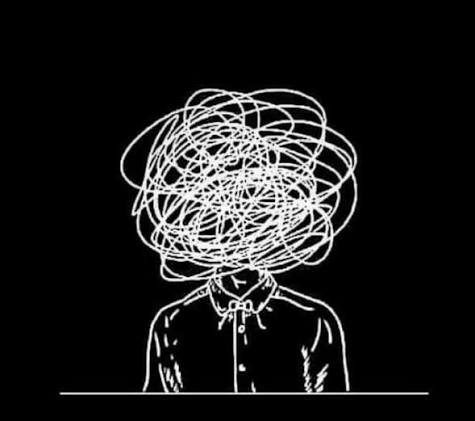
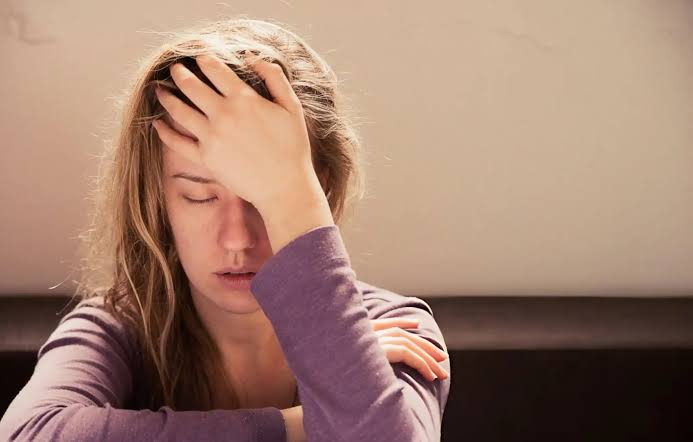
You have a deadline, a medical report to collect, or an exam result due. Your chest feels tight, your stomach is unsettled and your mind keeps replaying worst-case scenarios. Then the moment passes and you feel normal again.
That is anxiety doing its job. It is a built-in alarm. The health question is what happens when the alarm keeps ringing without a real emergency.
The short answer: ongoing anxiety can affect sleep, digestion, energy, concentration and mood, and it is linked in research to a higher risk of some physical conditions, including heart disease. This article explains what is well established and what is still uncertain. It also covers what you can do about it and when to ask for help.
What anxiety actually is
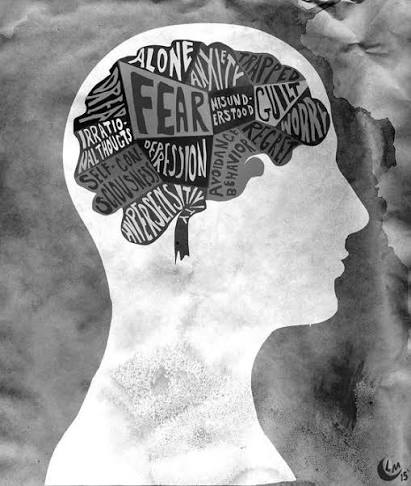
Anxiety is the body’s response to a perceived threat or uncertainty. In small doses it is useful. It sharpens attention before a presentation and makes you careful on a busy road.
An anxiety disorder is different. According to NIMH material, anxiety disorders last at least six months and can worsen without treatment, unlike the brief anxiety triggered by a stressful event. Common types include generalised anxiety disorder (constant, wide-ranging worry), panic disorder, social anxiety disorder and phobias. nj
It is also very common. WHO estimates that 359 million people worldwide had an anxiety disorder in 2021, about 4.4% of the global population. Women are affected more than men, and symptoms often begin in childhood or adolescence. If you have struggled with this, you are far from alone. whowho
How anxiety affects the body
When your brain senses danger, it prepares you to react. Your heart rate rises, breathing speeds up and muscles tighten. This is useful if you need to run. It is less useful when the “threat” is an inbox or a family conversation. Many physical symptoms of anxiety come from this response running too often or for too long. Here is how it tends to show up.
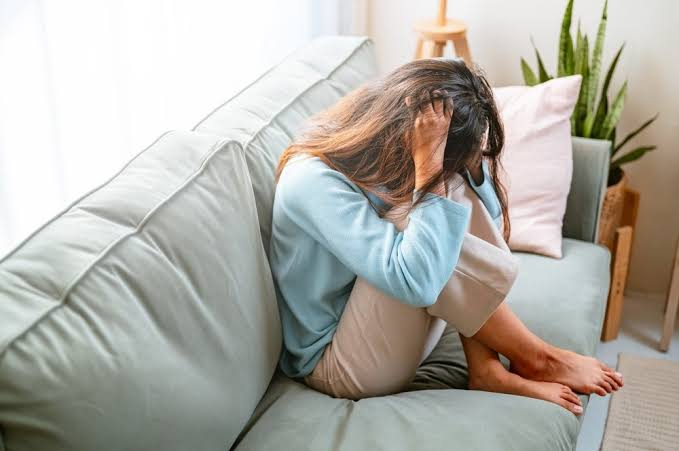
Sleep
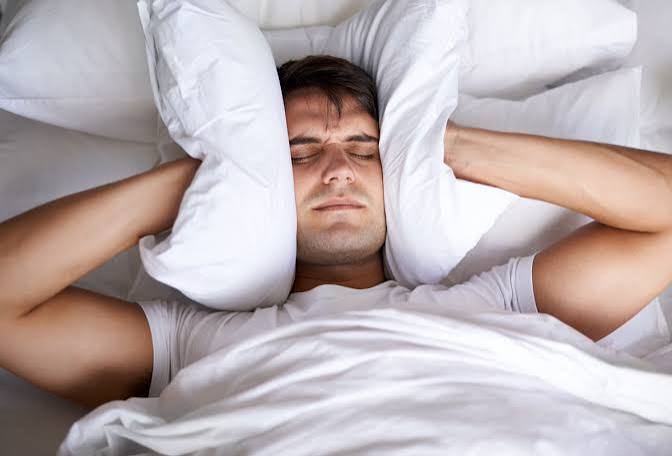
Anxiety and poor sleep feed each other. A racing mind makes it hard to fall asleep, and a short night makes the next day’s worries feel heavier. Many people notice this loop without being able to say which started first. Researchers generally describe the link as two-way, though your own pattern may differ.
Digestion
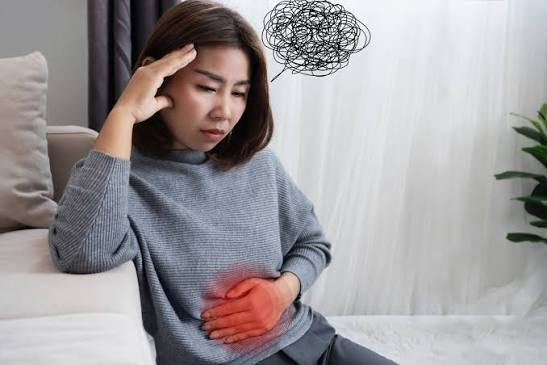
Many people feel anxiety in the stomach: nausea, cramping, a rush to the toilet, or loss of appetite. The gut and brain communicate closely, which is why nerves can upset digestion. Anxiety is not the only cause of digestive trouble, so ongoing symptoms deserve a medical check rather than an assumption that “it’s just stress”.
Muscles, headaches and energy
Tight shoulders, a clenched jaw, tension headaches and a constant tired feeling are common. Staying on high alert is draining, even if you spent the day sitting at a desk.
Concentration and memory
Worry takes up mental space. People often describe blanking out in meetings or rereading the same paragraph. This is usually a matter of attention being occupied elsewhere, not a sign of lasting damage.
What the research says about the heart
This is where anxiety’s effect on physical health has the strongest research behind it, and where the wording needs care.
A 2016 meta-analysis pooled 46 cohort studies with over 2 million participants and found that anxiety was associated with higher risks of cardiovascular death, coronary heart disease, stroke and heart failure, with relative risks of roughly 1.35 to 1.71. In plain terms, people with anxiety were more likely to develop these problems than people without it. princetonmedicalxpress
Two limits matter. First, the authors themselves noted that it is unclear whether these associations are causal. Anxiety might raise heart risk directly. It might also travel alongside smoking, poor sleep, inactivity or other factors that do. Second, the same analysis found no significant link with major cardiovascular events overall or with atrial fibrillation, though the confidence intervals were wide. princetonmedicalxpress
So the honest summary is that long-term anxiety is a plausible contributor to heart risk and worth taking seriously, but it is not a predictor for any one person. Feeling anxious does not mean you are heading for a heart attack.
Anxiety and other mental health problems
WHO notes that anxiety disorders raise the risk of depression and substance use disorders, as well as suicidal thoughts and behaviours. Untreated anxiety can slowly shrink life: avoiding places, people or tasks because they trigger dread. That avoidance can affect work, relationships and physical activity, which in turn affects health. who
If you ever have thoughts of harming yourself, please contact a local emergency service or crisis line right away. You do not need to wait until things feel bad enough.
Is it anxiety, or something else?
Anxiety can feel physical enough that people go from doctor to doctor looking for another explanation. The reverse also happens. Some medical conditions can produce anxiety-like symptoms. NIMH-derived guidance notes that thyroid problems, heart rhythm disturbances, caffeine and some medications can cause or worsen anxiety symptoms. mhanys
That is why a basic check-up is a sensible first step if symptoms are new, severe or unexplained. Chest pain, fainting or sudden breathlessness should always be assessed urgently, not assumed to be anxiety.
Realistic ways to manage anxiety day to day
These habits support well-being. They are not a cure, and they work best alongside professional help when anxiety is significant.
Move your body
WHO states that exercise programmes can be effective in preventing anxiety disorders in adults. You do not need a gym. A 20 to 30 minute walk after dinner, cycling, a skipping rope or a home workout counts. Pick something you will repeat on a busy week. who

Look at your caffeine
Because caffeine can aggravate anxiety, it is worth tracking. Strong chai or coffee on an empty stomach, energy drinks and cola late in the day all count. You don’t have to quit. Try moving your last cup earlier and see whether your evenings feel calmer.
Protect your sleep
Keep a fairly steady bedtime and wake-up time, even on weekends. Put the phone down for the last stretch of the evening. If worry keeps you awake, writing tomorrow’s to-do list on paper can help get thoughts out of your head.

Slow your breathing
Slow, steady breathing, with a longer exhale than inhale, can ease the physical feeling of panic for some people. Practices like yoga or meditation are popular in India and many find them calming, although the strength of evidence varies by technique and condition.
Talk to someone
Telling a friend or family member that you have been anxious often reduces its weight. It also makes it easier to notice when things are getting worse.
When to see a professional
Consider speaking to a doctor or mental health professional if:
- Worry is hard to control and has lasted for weeks or months.
- It is affecting your sleep, work, studies or relationships.
- You are avoiding things you used to do.
- You have panic attacks.
- You are using alcohol or other substances to cope.
NIMH-derived guidance describes psychotherapy, medication, or a combination as the usual treatments, and WHO emphasises that effective treatments exist. Cognitive behavioural therapy (CBT) is the most widely used talking therapy. Medication can relieve symptoms but does not cure anxiety disorders. WHO also advises that benzodiazepines are generally not recommended for anxiety disorders because of dependence risk and limited long-term benefit, so this is a conversation to have with a qualified doctor rather than something to self-manage. anxiety disorders +2
Cost and access can be real barriers, particularly outside big cities. A general practitioner is a reasonable starting point, and many regions now offer online counselling and government-run helplines.

What not to expect
- Anxiety rarely disappears permanently. It usually becomes manageable, and flare-ups during stressful periods are common.
- No single food, supplement, breathing trick or app will fix it.
- Having anxiety is not a personal weakness. It is a health condition with identifiable risk factors and treatments.
FAQs
Can anxiety cause physical illness?
It can cause real physical symptoms, and long-term anxiety is associated with higher risks of some conditions, particularly cardiovascular ones. But the research shows association, not certainty about cause, and most people with anxiety do not develop these conditions.
What are the physical signs of anxiety?
Common ones include a racing heart, tight muscles, headaches, stomach upset, sweating, dizziness, shortness of breath and difficulty sleeping. Because other conditions can cause the same symptoms, new or severe ones should be checked by a doctor.
How do I know whether it’s normal worry or an anxiety disorder?
Normal worry usually has a clear trigger and fades. An anxiety disorder tends to be persistent, difficult to control and disruptive to daily life. Only a qualified professional can diagnose it.
Can lifestyle changes alone fix anxiety?
They can help, especially with mild anxiety, but they are rarely enough on their own when anxiety is severe or long-lasting. Think of them as support alongside professional treatment.
Can anxiety cause chest pain?
Yes, it can, but chest pain should never be assumed to be anxiety. Get urgent medical attention first if it is new, severe, or comes with breathlessness, fainting or pain spreading to the arm or jaw.
Does anxiety go away with age?
Not necessarily. WHO notes that symptoms often begin early in life, and the course varies. Many people improve with the right support.
Conclusion
Anxiety is not “just in your head”. It is felt in the body, shapes sleep and concentration, and over the long term is linked to higher physical health risks, though the evidence does not show it is the sole cause. What matters most is recognising when ordinary worry has become something heavier.
Two realistic next steps: pick one small habit (a regular walk or an earlier last cup of tea), and if anxiety has been affecting your daily life for weeks, book an appointment with a doctor or counsellor. Reaching out is a practical health decision, not a sign you’ve failed.