
Written by Vardan Patel
Co-Creator & Health and Fitness Content Creator at FitHub 365
Vardan combines his personal experience with exercise and healthy lifestyle habits with research from reputable health organizations and scientific sources to create practical, beginner-friendly health and fitness content.
Key Takeaways
- Tobacco harms nearly every system in the body, and the damage goes well beyond lung cancer. Heart disease and stroke are among its biggest killers.
- Smokeless tobacco such as khaini, gutka and chewing tobacco is not a safe alternative, and neither is the occasional cigarette.
- Benefits begin within hours of quitting and keep growing for years. Quitting is worthwhile at any age.
- Medicines (nicotine replacement, varenicline, cytisine) combined with counselling work better than willpower alone.
- Most people need more than one attempt. A relapse is part of the process, not proof of failure.
How Tobacco Affects Your Health, and What Actually Helps You Quit
Most people who use tobacco already know it isn’t good for them. What many don’t know is how far the damage reaches, how soon the body starts to recover once they stop, and why quitting is so hard even for people who badly want to do it.
The short answer: tobacco harms the heart, blood vessels, lungs, mouth and many other organs, and the harm is dose- and time-dependent. Quitting at any age lowers risk, and the benefits start almost immediately. The rest of this article explains how that works and what gives you the best chance of succeeding.
What Tobacco Does to the Body
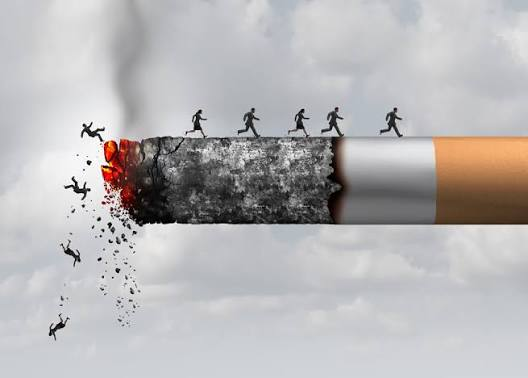
The scale of the problem is large. According to WHO, tobacco kills up to half of its users who don’t quit, and causes more than 7 million deaths each year, including an estimated 1.6 million non-smokers exposed to second-hand smoke. Roughly 80% of the world’s 1.3 billion tobacco users live in low- and middle-income countries, which includes India. drugsandalcoholdrugsandalcohol
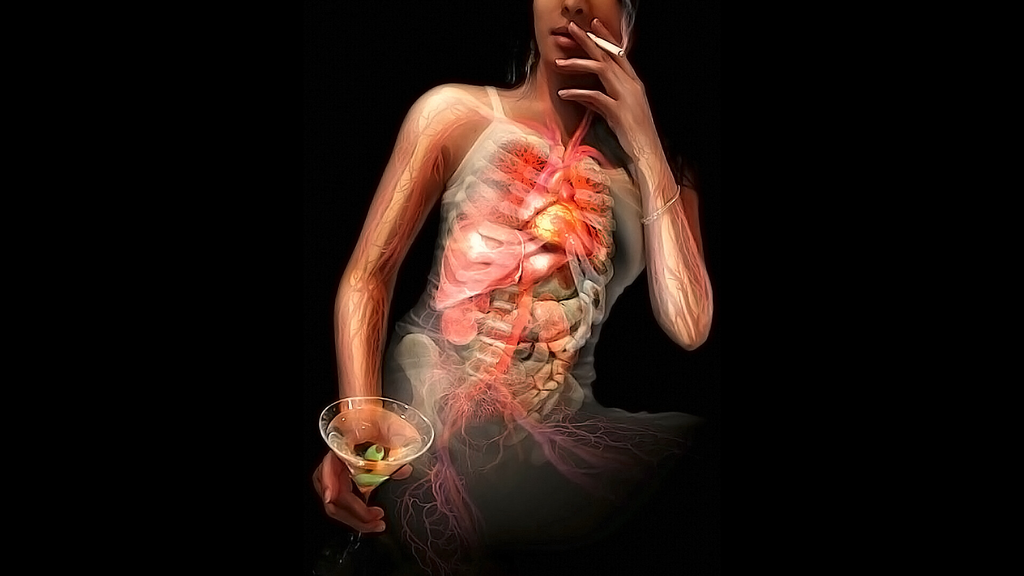
Those numbers hide something useful for a beginner to understand: tobacco doesn’t harm one organ. It harms whatever it touches, and the chemicals travel through the blood.
The heart and blood vessels
When people think of smoking they usually think of cancer, but the heart often takes the heaviest damage. WHO’s Director-General has pointed out that most people know tobacco causes cancer and lung disease, but many don’t realise it also causes heart disease and stroke, the world’s leading killers. The same report estimated that three million people die prematurely each year from tobacco-related cardiovascular disease, including 890,000 deaths from second-hand smoke exposure. Note that these figures come from a 2018 WHO report and newer estimates differ slightly. prothomaloprothomalo
The mechanism is fairly simple. Smoke contains carbon monoxide, which attaches to red blood cells in place of oxygen, so the heart has to work harder to deliver less oxygen. Chemicals in smoke also irritate and damage the lining of blood vessels and make blood more likely to clot. Over the years, this narrows arteries and raises the chance of heart attack and stroke.
The lungs and airways
Smoke inflames the airways and damages the tiny structures that keep the lungs clean. The result can be a long-term cough, breathlessness on stairs, repeated chest infections, and eventually chronic obstructive pulmonary disease (COPD). Lung cancer is the most famous consequence, but it is only one of several.
Cancers beyond the lungs
Tobacco is linked to cancers of the mouth, throat, oesophagus, bladder, kidney, pancreas and cervix. Cancer risk tends to rise with how long and how heavily someone uses tobacco, but there is no level that is clearly risk-free.
Smokeless tobacco and bidis
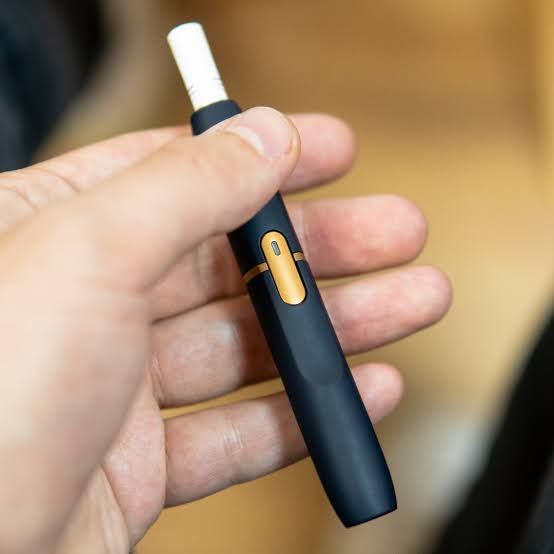
This matters for Indian readers in particular. Many people assume that chewing tobacco, khaini, gutka, zarda or tobacco paste for the teeth is gentler than cigarettes because there is no smoke. That assumption is not supported. Smokeless tobacco is strongly associated with oral cancers and gum disease, and it still delivers nicotine, so dependence develops just as readily. Bidis are also not a “lighter” option; they are smoked tobacco. (Editor: add a verified India-specific source, such as the GATS India report or an ICMR/NCI-India publication, for these points before publishing.)
Secondhand smoke and everyone else
Tobacco doesn’t harm only the user. As the WHO figures above show, non-smokers breathing other people’s smoke also die from it. Children in smoking households have more chest infections and asthma attacks, and a partner who never touched a cigarette still carries extra heart and lung risk.
Why Quitting Is Hard
Nicotine reaches the brain within seconds of being inhaled and triggers a brief rush of dopamine, the chemical tied to reward and habit. The brain adapts to this. When nicotine drops, a person can feel irritable, anxious, hungry, restless, unable to concentrate and strongly craving the next dose.
There’s a second layer: habit. Many people link tobacco to specific moments, such as tea after meals, a break at work, a drink with friends, a stressful phone call. Even after the nicotine has left the body, those moments can pull strongly.
It helps to understand that nicotine dependence is treated by medicine as a genuine health condition, not a weakness of character. One overview of Cochrane reviews notes that nicotine dependence is recognised as a chronic non-communicable disease and is listed in the WHO’s International Classification of Diseases (ICD-11). That framing matters because it explains why treatment, not just resolve, improves the odds. tobaccoinduceddiseases
What Happens When You Stop
The recovery timeline is more encouraging than most people expect. Based on the US Surgeon General’s report as presented by the CDC:
- 20 minutes: Heart rate drops. cdc
- 12 hours: Carbon monoxide in the blood returns to normal. cdc
- 2 weeks to 3 months: Heart attack risk begins to fall and lung function starts to improve. cdc
- 1 to 9 months: Coughing and breathlessness ease. cdc
- 1 year: The added risk of coronary heart disease is half that of a continuing smoker. cdc
- 5 to 15 years: Stroke risk falls to that of a non-smoker. cookcountypublichealth
- 10 years: The risk of dying from lung cancer is about half that of a smoker’s. cookcountypublichealth
- 15 years: Coronary heart disease risk is the same as a non-smoker’s. cookcountypublichealth
Australia’s health department also notes that within about a week, taste and smell may improve, and within two months, coughing and wheezing decrease. healthhealth
A caution on interpretation: these are averages from population data. Your own timeline depends on how long and how heavily you used tobacco and on your overall health. Earlier quitting generally means more of the risk is recovered, but there is no age at which stopping stops being worthwhile.
What Works When You Try to Quit
Start with a plan, not a mood
Picking a quit date within the next couple of weeks usually works better than “someday,” because it gives you time to prepare without losing momentum. Before that date:
- Write down your triggers. Morning tea, work stress, commuting, alcohol, after-meal habits.
- Decide on a substitute for each one. A walk, chewing sunf or cardamom, a glass of water, a short phone call, brushing your teeth.
- Tell at least one person. Support from family or a friend makes a real difference.
- Clear your space. Remove lighters, ashtrays, packets and pouches from home, your bag and your vehicle.
Medicines: the most evidence-backed option
Willpower alone works for some people, but trials consistently show that medication improves the odds.
Nicotine replacement therapy (NRT) includes patches, gum, lozenges and similar products. They deliver nicotine without the smoke or the thousands of other chemicals, easing withdrawal while you break the habit. One overview describes NRT as a first-line treatment recommended in many national guidelines. tobaccoinduceddiseases
Varenicline is a prescription medicine that eases cravings and reduces the reward from smoking. A Cochrane review concluded that standard-dose varenicline increased the chance of long-term quitting between two- and three-fold compared with quit attempts without medication, and more people quit with varenicline than with bupropion or NRT. The same review reports that nausea is the most common side effect, usually mild to moderate and tending to fade, and that early concerns about links to suicidal thoughts have not been confirmed by current research. It is a prescription drug, so a doctor should decide whether it suits you. nihnih
Cytisine is a plant-derived compound that works similarly. The same Cochrane review found that cytisine increases the chance of quitting, though absolute quit rates were modest in two recent trials. Availability and approval vary by country, so check what is legally accessible where you live. nih
Combinations: A meta-analysis of three randomised trials with 904 participants found that varenicline plus NRT outperformed varenicline alone, but the significance diminished once one study that used a nicotine patch before quitting was removed. That means the evidence is promising but small, and a combination plan should be a conversation with a doctor. nihnih
Counselling and support
Medicine treats the chemical dependence; support treats the habit. Quitlines, counselling sessions and structured programmes add to the effect of medication. In India, the National Tobacco Quitline is a free option, listed by the health ministry as 1800-11-2356. (Verify this number and operating hours before publishing.) Many hospitals and de-addiction or tobacco cessation clinics also offer in-person help.
When a craving hits
Cravings typically build and pass within a few minutes. The aim is to get through that window, not to stop wanting tobacco forever. Delay, drink water, move around, do something with your hands, or call someone. Each craving you ride out weakens the habit a little.
Common Mistakes and Misconceptions
“I’ll cut down first.” Cutting down can reduce exposure somewhat, but the strongest health gains come from stopping completely. Many people find gradual cutting drags out the discomfort without ending the habit.
“Switching to vapes or smokeless tobacco is safe.” These still deliver nicotine, and smokeless tobacco has clear cancer links. Some adults use e-cigarettes as a quit aid in certain countries, but their role is debated and regulations differ widely (in India, for example, they are restricted by law). Don’t treat them as harmless, and discuss them with a doctor rather than starting them on your own.
“I’ve smoked too long; it’s too late.” The timeline above shows benefits accruing at every stage. Older adults who quit still reduce their heart and lung risk.
“One slip means I’ve failed.” Most people who eventually quit tried several times. A lapse is information about which trigger you hadn’t planned for.
“Weight gain will be worse than smoking.” Some people do gain a few kilos after quitting, partly because appetite returns and food tastes better. The health risk of continued tobacco use is far larger than the risk from modest weight gain. Staying active and keeping healthy snacks around helps.
When to Get Professional Help
Speak to a doctor if you have heart disease, high blood pressure, are pregnant or breastfeeding, take regular medication, have a history of mental health conditions, or have tried and failed several times. Also see a doctor promptly if you have a cough lasting more than three weeks, blood in sputum, unexplained weight loss, a persistent mouth ulcer or white patch, or difficulty swallowing. These can have many causes, but they need proper assessment.
FAQs
How long does nicotine withdrawal last?
Physical symptoms are usually strongest in the first few days to a couple of weeks and then ease, though cravings can reappear for months in response to triggers. Duration varies from person to person.
Is it better to quit suddenly or gradually?
Choosing a firm quit date and stopping completely is the approach most commonly supported in guidance, ideally with medication or counselling. Gradual reduction can work for some people but tends to be less reliable.
Can I use nicotine gum or patches if I chew tobacco rather than smoke?
Possibly, and many clinicians do recommend them, but the dosing depends on how much nicotine you take in. Ask a doctor or pharmacist to help you choose.
Does quitting reverse the damage already done?
Partly. Heart and stroke risk fall steadily, and some lung function improves, but existing damage such as emphysema doesn’t fully reverse. That’s one more reason to quit as early as you can.
Is secondhand smoke really harmful?
Yes. As noted above, WHO attributes hundreds of thousands of deaths a year to it, and children and people with heart or lung conditions are especially vulnerable.
What if I fail the first time?
Treat it as a practice run. Identify what triggered the slip, adjust your plan or medication, and set a new date soon.
Conclusion
Tobacco affects far more than the lungs, and no form of it is safe. But the body responds to quitting quickly, and the benefits keep building for years. The approach with the best evidence is a firm quit date combined with medication and support, rather than willpower alone.
Two realistic next steps: pick a date in the next two weeks and write down your three biggest triggers, then book a visit with a doctor or call a quitline to discuss which medicine suits you.