
Written by Vardan Patel
Co-Creator & Health and Fitness Content Creator at FitHub 365
Vardan combines his personal experience with exercise and healthy lifestyle habits with research from reputable health organizations and scientific sources to create practical, beginner-friendly health and fitness content.
Key takeaways
- Hormones are chemical messengers. Hormonal health mostly means that your body’s signals for hunger, stress, sleep, growth and reproduction are working in a reasonably steady rhythm.
- Sleep has some of the clearest experimental evidence of any everyday habit, though the best-known study was small and short.
- Regular movement, steady meals and manageable stress support the systems hormones depend on. None of them is a “reset.”
- Research on everyday chemicals that interfere with hormones is real but incomplete. Be informed, not alarmed.
- Persistent symptoms deserve a blood test and a doctor’s opinion, not another supplement.
Hormonal Health in Modern Life: What Helps, What’s Hype, and Where to Start
Search for “hormone balance” and you’ll find detox teas, seed-cycling charts and supplement stacks promising to fix everything from acne to belly fat. The claims are confident. The evidence behind most of them isn’t.
Here is the short, honest answer. Hormones are signals your body sends constantly, and daily habits do influence them. Sleep, stress, food, physical activity and some environmental exposures all play a part. But no single food, drink or pill “balances” your hormones. The habits with the best support are ordinary ones, and they work slowly. When symptoms are persistent, the cause is often something a doctor can test for and treat.
This article explains what hormonal health means, how modern routines can affect it, which habits are worth your effort, and which claims you can safely ignore.
What hormones do, and what “hormonal health” really means
Hormones are chemical messengers made by glands such as the thyroid, adrenal glands, pancreas, ovaries and testes. They travel through the blood and tell other organs what to do. Insulin helps your cells take in sugar. Cortisol helps you respond to pressure. Melatonin tells your body it’s night. Estrogen, progesterone and testosterone shape reproduction, bone health and much more.
Notice what this means: hormones are not villains that sometimes go “out of balance” because you ate the wrong thing. They rise and fall all day by design. Cortisol is naturally higher in the morning. Insulin spikes after meals. Women’s hormone levels change across the menstrual cycle, pregnancy and menopause. Men’s testosterone changes with age. These shifts are normal.
So when people talk about hormonal health, a more useful way to think about it is this: are your signals working in a stable pattern, and is something in your life, or your body, repeatedly disturbing that pattern?
Sleep: the lever with the clearest evidence
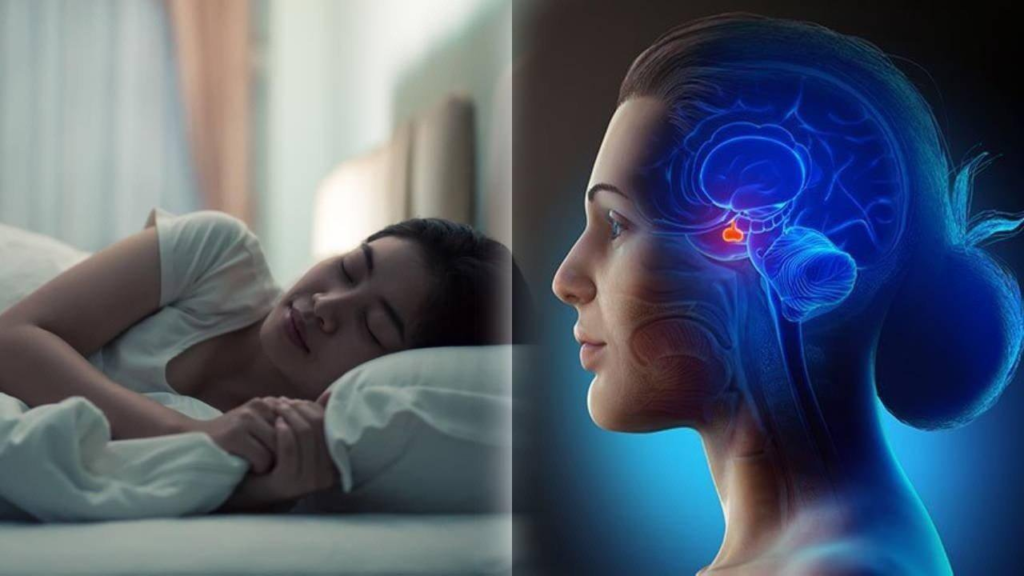
Late-night work, phone scrolling, shift schedules and long commutes all shorten sleep, and sleep is where some of the best experimental data on hormones comes from.
In a well-known 2004 study in the Annals of Internal Medicine, researchers restricted 12 healthy young men to four hours in bed for two nights. Compared with well-rested days, leptin (a hormone that signals fullness) fell by about 18%, ghrelin (a hunger hormone) rose by about 28%, and the men reported more hunger and stronger appetite, especially for calorie-dense, carbohydrate-rich foods. qxmd
That’s useful, but keep its limits in mind. It was a small study of young men over a very short period. It shows that sleep loss changes appetite hormones in a lab. It doesn’t prove that your late nights alone will cause weight gain, and it says little about women or older adults. Commentators at the time noted the findings needed to be reproduced and that the hormone changes would have to lead to real changes in eating over time to matter for weight. elsevierpure
What you can reasonably take from it: if you’re always hungry and craving sugary food after a few short nights, that isn’t a character flaw. Your hormones may be pushing you toward it.
Practical steps that cost nothing:
- Keep a fairly steady bedtime and wake time, including weekends when you can.
- Dim lights and put the phone away for the last 30 to 60 minutes before bed. Bright evening light tends to delay sleepiness, though how much it matters differs from person to person.
- If you work night shifts, protect one dark, quiet sleep window and don’t expect perfection.
Stress and the always-on routine
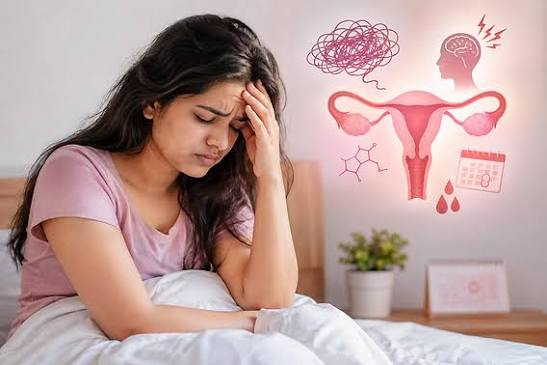
Your body handles short bursts of stress well. A deadline, a sprint for the bus or an argument raises cortisol and adrenaline, then they settle. The difficulty in modern life is that stress rarely has a clear end. Notifications, work messages, money worries and family responsibilities can keep the stress response switched on for long stretches.
It is widely accepted that long-term stress can disturb sleep, appetite and mood, and that these changes affect hormones indirectly. Be careful, though, with online claims about “adrenal fatigue” or sky-high cortisol. Cortisol levels vary through the day, home test kits are not reliable guides, and a real disorder of the adrenal glands is a medical diagnosis, not a lifestyle label.
What helps in practice is boring but effective: short walks, regular meals, a few minutes of slow breathing, time away from screens, and talking to someone when things feel heavy. If stress is affecting your sleep, appetite or mood for weeks, speaking with a doctor or counsellor is a sensible step, not an overreaction.
Food, movement and body weight
Eat steadily, not perfectly
Insulin responds to the carbohydrates you eat. That’s normal and healthy. Problems arise when a person has insulin resistance or diabetes, which are conditions diagnosed with blood tests, not guessed from symptoms.
For most readers, the most helpful approach is an overall pattern rather than a “hormone diet”:
- Build meals around fibre and protein: dal, rajma, chana, sprouts, paneer, curd, eggs, fish or tofu, depending on what you eat.
- Choose less-refined grains more often, such as millets, oats, brown rice or whole-wheat roti, and watch portion size of white rice and sweets.
- Eat vegetables and fruit daily, and include a modest amount of nuts, seeds or healthy cooking oils.
- Don’t skip meals for long stretches and then overeat late at night.
Outside India, lentil soups, beans, whole-grain bread, yoghurt, oily fish and salads can serve the same purpose. The pattern matters more than the specific dishes.
Be wary of promises. Foods are not hormone “cures.” Flaxseed, spearmint tea, ashwagandha, maca and similar items are heavily marketed, but the evidence for dramatic hormone effects in healthy people is limited or mixed, and supplements can interact with medicines or affect conditions such as thyroid disease or pregnancy. Check with a doctor or pharmacist before starting one.

Move your body most days
Physical activity supports insulin sensitivity, mood, sleep and healthy body weight. The WHO recommendations for adults are straightforward. Adults aged 18 to 64 should aim for at least 150 minutes of moderate activity a week, or at least 75 minutes of vigorous activity, or an equivalent mix, with muscle-strengthening work on two or more days. The same guidance states that some activity is better than none. who
If that sounds like a lot, break it up. Ten minutes after each meal, a brisk walk to the market, stairs instead of the lift and two short strength sessions at home all count. Bodyweight squats, push-ups against a wall or counter, and resistance-band rows are enough for a beginner.
Pushing too hard can backfire. Very heavy training combined with very low food intake can disturb menstrual cycles and other hormonal systems. If your periods stop or become irregular while you’re training hard, that is a reason to seek advice, not to train harder.
Everyday chemicals: what is known and what isn’t
You may have heard about “endocrine disruptors.” These are substances that can interfere with how hormones work. Examples that are often discussed include certain plasticisers, pesticides and industrial chemicals.
The science here is serious but unfinished. A joint UNEP and WHO review concluded that close to 800 chemicals are known or suspected to interfere with hormone receptors, synthesis or conversion, yet only a small fraction have been tested in ways that could reveal clear effects in whole organisms. WHO’s European office adds that exposure has been associated with hormone-related cancers, obesity, diabetes, cardiovascular disease and reproductive problems, and that risk appears greatest for infants and children because their tissues are still developing. unepwho
Notice the wording: “associated with.” Much of the evidence comes from observational studies, lab work and animal research. It raises legitimate concern, but it doesn’t tell you how much harm a specific plastic bottle or food container does to you personally.
Sensible, low-cost habits, which don’t require fear:
- Don’t microwave food in plastic containers; use glass or steel instead.
- Wash fruit and vegetables well and vary your diet.
- Avoid heating or storing hot food in thin, damaged or old plastic.
- Be cautious about products making dramatic “toxin-free” claims; the marketing often runs ahead of the evidence.
Larger exposures, such as air pollution and industrial contamination, are mostly shaped by public policy rather than personal choices, and that’s worth acknowledging honestly.

Claims worth doubting
- “Detox” teas and cleanses. Your liver and kidneys already handle waste. No tea has been shown to reset hormones.
- Hormone-balancing supplements. Evidence is thin for most, and quality varies.
- Direct-to-consumer hormone test kits. A single saliva or hair test usually can’t diagnose a problem, since hormone levels change through the day and cycle.
- “Cut out all sugar and carbs to fix hormones.” Extreme restriction is hard to sustain and can cause its own problems.
- Any promise to fix a hormonal condition in a set number of days.
What a realistic day might look like
This is an illustration of how small habits fit together, not a prescription:
A person who works at a desk wakes at roughly the same time daily and gets some morning daylight. Breakfast is something like moong dal chilla with curd, or eggs with whole-grain toast. They walk for ten minutes after lunch and again after dinner. Dinner is finished at least two hours before bed, with a light, simple meal. An hour before sleep, work messages stop and the phone charges across the room. Twice a week they add 20 minutes of strength exercises.
Nothing here is dramatic. Done most days, it supports sleep, appetite, mood and energy, and those are the foundations hormones depend on. Some weeks you’ll manage it, and some you won’t. That’s fine.
When to see a doctor
Lifestyle changes help, but they can’t fix every hormone-related condition. Conditions such as thyroid disorders, polycystic ovary syndrome (PCOS), diabetes, and menopause-related changes are diagnosed and managed through medical care. It makes sense to speak with a doctor if you notice:
- Periods that are missing, very irregular, or unusually heavy or painful
- Unexplained weight gain or loss, or constant exhaustion
- Feeling unusually hot or cold, a racing heart, or hair thinning that seems out of proportion
- Excess facial or body hair, or persistent acne that isn’t responding to treatment
- Low mood or anxiety that lasts for weeks
- Difficulty conceiving after a year of trying (or earlier if you’re older, or have known concerns)
- Excessive thirst and frequent urination
These symptoms can have many causes, and this list is not a diagnostic tool. A doctor can order appropriate blood tests and explain the results in context. Don’t start hormone-related supplements on your own if you’re pregnant, breastfeeding, taking regular medicines or managing a chronic condition.

FAQs
Can I “balance” my hormones naturally?
Not in the sense that online ads promise. You can support the conditions your hormones depend on: regular sleep, movement, steady meals and manageable stress. If a blood test shows a real imbalance, treatment depends on the cause.
Does stress really cause hormone problems?
Stress changes cortisol and can disturb sleep, appetite and cycles, so it can contribute to symptoms. It is rarely the only explanation, though, so persistent symptoms should still be checked.
Is soy bad for hormones?
For most people, moderate amounts of soy foods like tofu, soy milk and tempeh are considered part of a normal diet. If you have a thyroid condition or take thyroid medicine, ask your doctor about timing and amounts. I haven’t cited a specific source on this in this article, so treat it as general guidance to confirm with your clinician.
How long does it take for habits to affect hormonal health?
It varies. Some effects, like appetite after poor sleep, can show up within days. Others, such as changes in cycles or weight, may take weeks to months, and some conditions won’t change with lifestyle alone.
Should I take a hormone test even if I feel fine?
Routine testing without symptoms or a clinical reason usually isn’t helpful. Ask a doctor which tests, if any, make sense for you.
Are plastics really a hormone risk?
Some chemicals used in plastics are under scrutiny, and research is ongoing. Reducing unnecessary exposure, especially heating food in plastic, is a reasonable precaution without being a cause for panic.
Conclusion
Hormonal health is less mysterious, and less purchasable, than the wellness industry suggests. Sleep, regular movement, steady meals, manageable stress and a little caution around everyday chemicals are the best-supported foundations. Expect gradual improvement, not a reset.
If you want a place to begin, pick one habit this week: a fixed wake-up time, a short walk after dinner or a phone-free last half hour before bed. And if symptoms keep bothering you, book a doctor’s visit instead of experimenting with supplements.