
Written by Teerth Busa: Health & Fitness Content Writer
Teerth Busa researches exercise, fitness, nutrition, mental well-being, and healthy lifestyle topics using reputable health organizations and scientific sources. His content is written to make health and fitness information simple, practical, and easy to understand.
Key Takeaways
- After a workout, your muscles mainly need three things: protein to repair, carbohydrate to refill energy stores, and fluid to replace what you sweated out.
- You don’t need supplements or special foods. Dal, curd, eggs, paneer, chickpeas, rice, roti, bananas and milk do the job well.
- For most people, total daily protein and regular meals matter more than eating within a rigid 30-minute window.
- Foods like tart cherry juice have some research behind them, but the benefits are modest and the evidence is mixed.
- Sleep, gradual progression and rest days matter as much as what’s on your plate.
Introduction
You finish a hard session, your legs feel heavy, and two days later even sitting down hurts. Most people who exercise regularly have been there. The next question is usually practical: what should I eat to feel better, and sooner?
The short answer is that muscle recovery runs on ordinary food. Your body needs protein to repair worked muscle, carbohydrate to restock the energy you used, and enough fluid and salt to rehydrate. A plate of dal, rice and curd covers all three. A banana with a glass of milk does too.
This guide explains what is actually happening in your muscles after exercise, which foods help and why, how to fit them into an Indian or international diet on a normal budget, and where the evidence is weaker than the marketing suggests. It’s general education, not personal medical advice.
What Happens to Your Muscles After Exercise
When you train, especially with weights or unfamiliar movements, muscle fibres experience tiny amounts of damage and use up stored energy. That’s normal. It’s also the signal that prompts the body to rebuild the muscle a little stronger.
The soreness that shows up a day or two later is called delayed-onset muscle soreness, or DOMS. It’s common in beginners and when you try something new. It isn’t a reliable measure of how good a workout was, and its absence doesn’t mean the session failed.
Two processes matter for food:
- Muscle protein synthesis is how your body builds and repairs muscle from amino acids, the building blocks of protein. Exercise and protein intake both stimulate it, and a major sports nutrition review found they work together whether the protein comes shortly before or after training.
- Glycogen replenishment is the refilling of carbohydrate stored in muscle and liver. Hard or long sessions deplete it, and carbohydrate is what restores it.
Fluid and electrolytes (mainly sodium and potassium) are the third piece. Sweat loses both, and being under-hydrated can make exercise feel harder than it should.
Protein: The Repair Material
Protein is the most talked-about recovery nutrient, and for good reason. Your muscles can’t be rebuilt without amino acids.
How much is enough?
The International Society of Sports Nutrition (ISSN) suggests that most exercising people building or maintaining muscle do well with roughly 1.4 to 2.0 grams of protein per kilogram of body weight per day. For a 60 kg person, that’s about 84 to 120 grams across the whole day. Per meal, a dose of around 0.25 grams per kilogram (or roughly 20 to 40 grams) is the general suggestion, spread out every few hours.
Those figures are for people who train regularly. If you walk, do light yoga or work out twice a week, you may need less, and your doctor or dietitian can tell you what suits you, particularly if you have kidney disease or another medical condition that affects protein intake.
Protein foods that work in everyday life
Protein quality depends partly on whether a food supplies all the essential amino acids. Animal foods usually do on their own. Plant foods can too, especially when you combine them.
| Food | Why it helps | Easy way to eat it |
|---|---|---|
| Eggs | Complete protein, inexpensive | Boiled eggs, bhurji, omelette |
| Curd, milk, paneer | Complete protein; also provide fluid and some minerals | Curd with fruit, a glass of milk, paneer roll |
| Chicken, fish | Lean, complete protein | Grilled or curry-style with roti or rice |
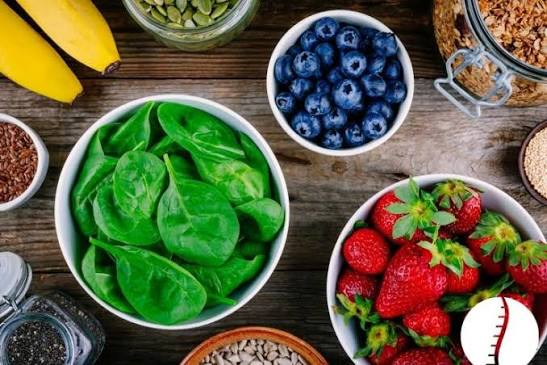
| Dal, rajma, chole, sprouts | Good plant protein plus carbohydrate | Dal with rice, chana salad, sprouts chaat |
| Soya chunks, tofu | High-protein plant options | Soya pulao, tofu stir-fry |
| Peanuts, nuts, seeds | Smaller protein amounts with healthy fats | Handful with fruit, peanut butter on toast |
If you’re vegetarian or vegan, the simplest strategy is variety: pair lentils or beans with a grain (dal-chawal, rajma-roti, hummus with whole-wheat pita), and add soy or dairy if you eat them. Over a day, this covers your amino acid needs without special planning.
Do you need to eat protein right after training?
Probably not in a hurry. The ISSN position stand notes that the muscle-building effect of exercise lasts at least 24 hours, though it gradually fades, and that the best timing varies between individuals. Eating a proper meal within a couple of hours is a sensible, easy target. If you train early on an empty stomach, having something soon after helps. If your last meal was only a few hours ago, there’s no need to panic about a missed window.
Carbohydrates: Refilling the Tank
Carbohydrate often gets forgotten in recovery conversations, especially by people focused on protein or weight loss. It shouldn’t be.
The joint position statement from the Academy of Nutrition and Dietetics, Dietitians of Canada and the American College of Sports Medicine recommends carbohydrate and fluid after exercise to restore muscle glycogen, and suggests about 1.0 to 1.2 grams per kilogram per hour for the first four to six hours when recovery time is short, such as athletes who train twice in one day. That is an athlete-level strategy. If you exercise once a day, you’ll refill your stores through normal meals, provided you eat enough overall.
The statement also points out that evidence on combining carbohydrate with protein is mixed for glycogen refilling itself. Protein plus carbohydrate does seem to help net protein balance, so pairing them is reasonable, but it’s not essential to do so at every snack.
Practical carbohydrate choices
- Rice, roti, millets, poha, upma or idli
- Potatoes and sweet potatoes
- Oats or whole-grain bread
- Bananas, mangoes, oranges, dates or raisins
- Khichdi, which conveniently combines rice and dal
If your next session is tomorrow, you don’t need to be strict about the type of carbohydrate. Whole grains bring fibre and extra nutrients, but after a long run a banana or a bowl of white rice is perfectly fine and easier to digest.
Fluids and Electrolytes
Dehydration can raise how hard exercise feels and lower performance, according to the sports nutrition position statement. Afterwards, the aim is to replace what you lost.
A reasonable approach: drink water with your meal, and notice whether your urine is a pale straw colour a few hours later. After a long, sweaty session in Indian summer heat, foods and drinks with some salt and potassium make rehydration easier. Options include:
- Chaas (spiced buttermilk) or lassi
- Coconut water
- Nimbu pani with a pinch of salt and sugar (homemade oral rehydration style)
- Fruit such as watermelon, oranges or bananas
Sports drinks are fine on occasion, but for typical gym sessions or a 45-minute run, water and food are enough. If you have high blood pressure, kidney disease or heart conditions, check with your doctor before using extra salt or electrolyte products.
Three Sample Post-Workout Meals
These are illustrations, not prescriptions. Adjust portions to your appetite, size and goals.
Budget Indian meal: Dal, rice, a vegetable sabzi and a bowl of curd. Protein from dal and curd, carbohydrate from rice, fluid and minerals from the curd and vegetables.
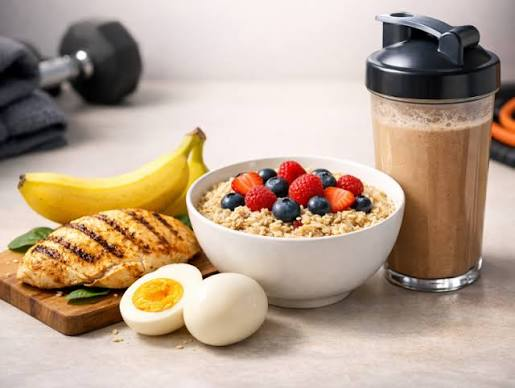
Quick snack after the gym: A banana, a glass of milk or a scoop of curd, and a handful of peanuts. Easy to carry and needs no cooking.
Non-vegetarian option: Grilled chicken or fish with roti or rice, salad and a glass of chaas.
Vegan option: Chole or rajma with brown rice, a salad, and a fruit such as an orange. Add soya or tofu if you want more protein.
What About Special Recovery Foods?
Tart cherry juice
Tart cherry products are among the most studied “recovery foods.” A 2021 systematic review and meta-analysis of 14 studies reported a small reduction in muscle soreness and a moderate improvement in recovery of strength and power after strenuous exercise. A more recent narrative review (2026) concluded that tart cherry juice works best as a situational add-on, for example during heavy training blocks or when you have little time between sessions, rather than as a daily necessity, and warned that sponsorship and publication bias may affect the research.
So the honest summary is: it might help a little, it’s not essential, and it can be expensive, particularly in India where these products are imported. Ordinary fruit gives you vitamins and fluid at a much lower cost, although the same level of benefit hasn’t been shown for other fruits.
Milk and curd before bed
The ISSN position stand reports that 30 to 40 grams of casein protein before sleep can raise overnight muscle protein synthesis. Casein is the slower-digesting protein found in milk and dairy. This is mostly studied in resistance-trained people, so it’s optional rather than necessary, but a glass of milk or a bowl of curd in the evening is a simple, low-cost way to use it if it suits your digestion.
Protein powders and supplements
Whole foods can meet your protein needs. The ISSN notes that supplements are a practical option when food is inconvenient, not a requirement. If you do use them, choose products tested by independent labs and discuss them with a professional if you have a medical condition or take medication.
Recovery Isn’t Only About Food
Food supports recovery, but it can’t fix everything else.
- Sleep: Most muscle repair and hormone regulation happens overnight. Regularly cutting sleep short will undermine even a perfect diet.
- Progression: Increasing intensity too fast is a common cause of severe soreness. A gradual increase of weight, distance or duration works better than sudden jumps.
- Rest days: Muscles need time between hard sessions for the same area. Light walking or stretching on rest days is fine.
- Total eating: If you eat too little overall, your body may not have the energy to repair itself, no matter how much protein you take.
- Technique: Poor form increases injury risk and can make soreness worse.
A hot shower, gentle movement and stretching can feel good. They’re comfort measures, and the research does not show that they dramatically speed up repair.
Common Misconceptions
“You must eat protein within 30 minutes or the workout is wasted.” The evidence doesn’t support such a strict window for most people. Total daily protein and regular meals matter more.
“More protein means faster recovery.” Beyond the amounts muscles can use, extra protein mainly adds calories and cost. Higher intakes may be discussed in specific contexts, but they aren’t a shortcut.
“Soreness means a good workout.” Soreness reflects unfamiliarity and muscle damage, not quality.
“Carbs after exercise make you gain fat.” Carbohydrate after training goes towards refilling muscle energy stores. Whether you gain or lose weight depends on your overall intake over weeks, not one post-workout banana.
“A single superfood will fix recovery.” No food is a cure or a guaranteed shortcut. Your overall diet pattern, sleep and training load shape the result.
Safety and When to Get Advice
Normal soreness is uncomfortable but fades within a few days. Seek medical advice if you notice any of the following:
- Severe pain with swelling, or weakness that doesn’t improve
- Dark, tea-coloured urine after intense exertion, which may indicate serious muscle breakdown and needs urgent attention
- Chest pain, fainting or unusual breathlessness during or after exercise
- Soreness that lasts well beyond a week
People with kidney disease, diabetes, food allergies, digestive disorders, or those who are pregnant or on regular medication should check their diet changes with a doctor or registered dietitian. This article does not provide individual treatment advice.
Frequently Asked Questions
What is the single best food for muscle recovery? There isn’t one. A meal that combines protein, carbohydrate and fluid does more than any individual food. Dal with rice and curd, or eggs with toast and a banana, are good examples.
Is it okay to eat a normal meal instead of a protein shake? Yes. Whole foods can supply all the protein most active people need, and a regular meal also provides carbohydrate, fibre and micronutrients that a shake doesn’t.
Should I eat immediately after working out? Not necessarily. If you trained fasted or your next meal is many hours away, eating within a couple of hours is sensible. Otherwise, a normal meal at your usual time is fine.
Can I recover well on a vegetarian or vegan diet? Yes, with some planning. Combine lentils, beans, soy, nuts and grains throughout the day, and include dairy if you eat it. Those who are fully vegan should pay attention to vitamin B12, which a doctor or dietitian can advise on.
Does soreness mean I should skip my next workout? Mild soreness usually allows light activity. If it’s sharp, joint-related or limiting movement, rest and consider seeing a professional.
Do I need to eat more on rest days? Usually your normal diet is enough. Muscle repair continues for a day or more after training, so keep regular meals and protein through rest days.
Conclusion
Muscle recovery depends less on exotic foods and more on getting enough protein, carbohydrate and fluid across the day, then sleeping well and increasing training gradually. Everyday dishes like dal-rice, curd, eggs, paneer, fruit and chaas cover most of what you need.
If you want a first step, add a protein source to the meal you eat after your workout and drink water with it. If soreness is a regular problem, look at your sleep and how quickly you’ve been raising the intensity before changing your diet. Small, steady habits will help you more than any single product.