









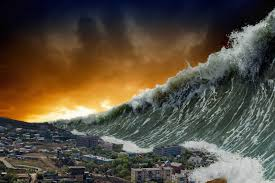
Tsunami: The Ocean’s Most Destructive Natural Disaster
Introduction
A tsunami is one of the most powerful and devastating natural disasters on Earth. Often referred to as “giant sea waves,” tsunamis are massive ocean waves caused by sudden disturbances beneath the sea. Unlike normal waves created by wind, tsunamis carry enormous energy and can travel thousands of kilometers at incredible speeds. When they reach coastal areas, they can cause widespread destruction, loss of life, and long-term environmental damage.

Related Article :-https://www.fithub365.in/2026/01/earthquake.html
What Is a Tsunami?
A tsunami is a series of large ocean waves generated by the displacement of a huge volume of water. This displacement usually occurs due to underwater earthquakes, volcanic eruptions, landslides, or meteor impacts. The word tsunami comes from Japanese, meaning “harbor wave,” highlighting Japan’s long history of experiencing these disasters.

Causes of Tsunami
Tsunamis can be triggered by several natural events:
1. Underwater Earthquakes
The most common cause of tsunamis is strong earthquakes occurring beneath the ocean floor. When tectonic plates suddenly shift, they displace large amounts of water, generating powerful waves.
2. Volcanic Eruptions
Underwater or coastal volcanic eruptions can push water upward, creating tsunami waves that spread rapidly across the sea.
3. Landslides
Large landslides, either underwater or from coastal cliffs, can cause sudden water displacement, leading to localized but deadly tsunamis.
4. Meteor Impacts
Although extremely rare, the impact of a large meteor into the ocean can generate massive tsunami waves.

How Tsunami Waves Travel
In deep oceans, tsunami waves move at speeds of up to 800 km/h but have very low height, making them difficult to detect. As they approach shallow coastal waters, their speed decreases while their height increases dramatically. This process, known as wave shoaling, results in towering waves that crash onto land with destructive force.

Effects of Tsunami
The impact of a tsunami can be catastrophic:
-
Massive loss of human lives
-
Destruction of homes, roads, and bridges
-
Flooding of coastal regions
-
Damage to marine ecosystems
-
Contamination of freshwater sources with saltwater
-
Long-term economic and psychological impacts

Famous Tsunami Disasters
Some of the most devastating tsunamis in history include:
-
2004 Indian Ocean Tsunami – Triggered by a powerful earthquake, it killed over 230,000 people across multiple countries.
-
2011 Japan Tsunami – Caused by a massive earthquake, it led to widespread destruction and the Fukushima nuclear disaster.
-
1960 Chile Tsunami – Generated by the strongest earthquake ever recorded, affecting coastlines across the Pacific Ocean.

Tsunami Warning Systems
Modern technology has significantly improved tsunami detection and warning systems. Seismic sensors, ocean buoys, and satellite monitoring help detect underwater earthquakes and changes in sea level. Early warning systems provide coastal communities with crucial time to evacuate and reduce casualties.

Safety Measures During a Tsunami
To minimize risk during a tsunami:
-
Move to higher ground immediately after a strong earthquake
-
Stay away from beaches and coastal areas
-
Follow official warnings and evacuation routes
-
Do not return until authorities declare the area safe

Conclusion
Tsunamis are among the most destructive natural disasters, capable of reshaping coastlines and altering lives forever. While they cannot be prevented, understanding their causes, warning signs, and safety measures can greatly reduce their impact. Awareness, preparedness, and advanced warning systems remain the strongest defenses against the devastating power of tsunamis.