

Written by Vardan Patel
Co-Creator & Health and Fitness Content Creator at FitHub 365
Vardan combines his personal experience with exercise and healthy lifestyle habits with research from reputable health organizations and scientific sources to create practical, beginner-friendly health and fitness content.
Key Takeaways
- Polluted water harms health in two main ways. Germs cause quick infections, and chemicals such as arsenic cause slow damage over years.
- Clear, clean-looking water can still be unsafe. You usually can’t judge it by eye, smell or taste.
- Boiling, chlorination and good filters can lower the risk from germs. They don’t all remove chemicals.
- Safe storage matters as much as treatment, because clean water can be re-contaminated at home.
- Persistent diarrhoea, skin changes or any symptoms in babies, older adults or pregnant women are reasons to see a doctor.
How Water Pollution Affects Your Health, and What You Can Do About It
You fill a glass from the tap, a handpump or a purifier tank. The water looks fine, so you drink it. For most of us, that moment feels too ordinary to worry about, and that is partly why water pollution is such a persistent health problem. The harmful parts are usually invisible.
This article explains how polluted water makes people ill, which risks are fast and which are slow, and what a person with limited time and money can do about it. It focuses on drinking water, since that is where the health effects are best documented.
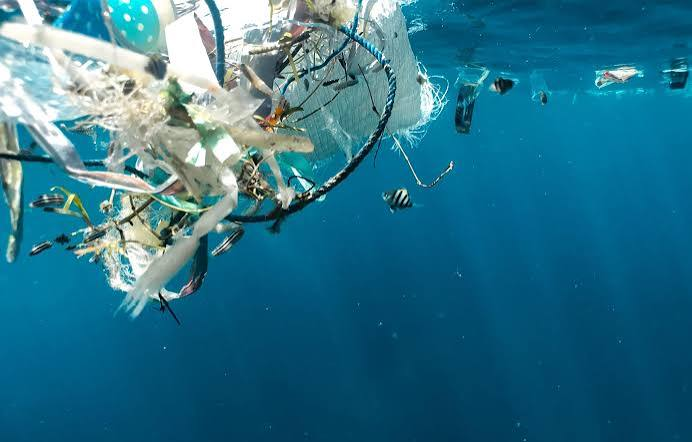
What “polluted water” actually means
When people say water is polluted, they usually mean one of two different problems.
Microbial contamination means germs: bacteria, viruses and parasites, mostly from human or animal waste getting into a water source. This is the cause of most sudden illness.
Chemical contamination means substances such as arsenic, which can occur naturally in rock and soil, or pollutants from industry, farming and waste. These typically cause harm slowly, after months or years of exposure.
The two problems need different solutions, which is a point many online guides skip. A method that makes water microbiologically safer may do nothing about dissolved chemicals.
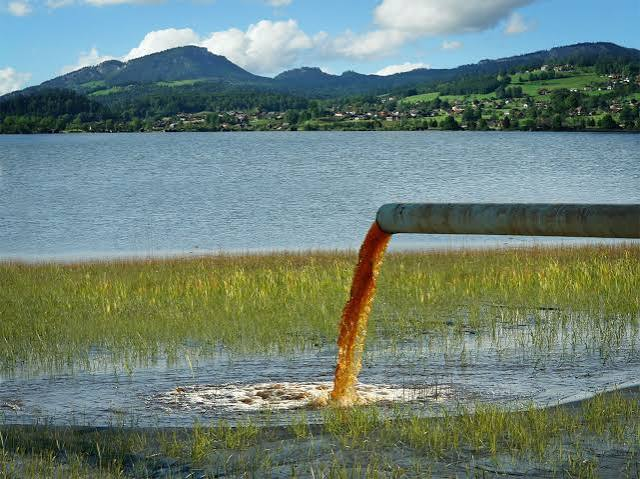
The everyday risk: infections from contaminated water
Contaminated water can carry diseases including cholera, dysentery, typhoid and hepatitis A. Contaminated water can transmit diseases such as diarrhoea, cholera, dysentery and typhoid. Diarrhoea sounds minor, but it can cause dangerous fluid loss, especially in small children. essensys
The scale is large. WHO estimates from 2019 attribute 69% of all diarrhoea deaths to unsafe water, sanitation and hygiene services. These figures cover water, sanitation and hand hygiene together, not drinking water alone. The three are closely linked because contamination spreads through all of them. who
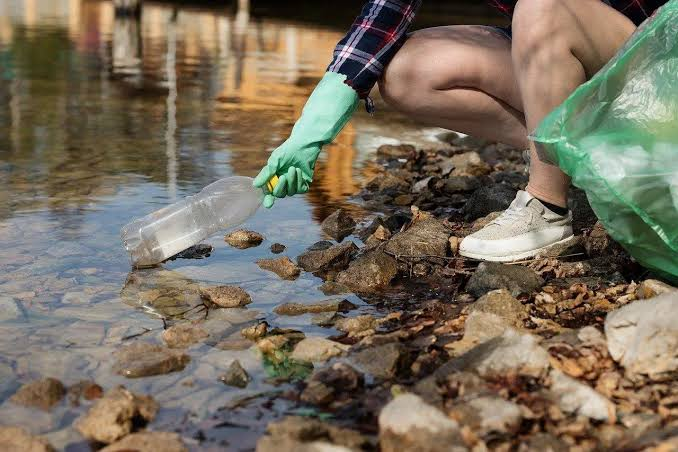
Who is affected most
Young children carry much of the burden. Unsafe water, sanitation and hygiene were responsible for 395,000 deaths among children under five in 2019. Of those, 273,000 were from diarrhoea and 112,000 from acute respiratory infections. neheralddowntoearth
The burden is also uneven across the world. About 89 per cent of deaths linked to unsafe drinking water, sanitation and hygiene occurred in low- and middle-income countries. People with weakened immunity, and those who are already malnourished, are at higher risk of severe illness. downtoearth
This doesn’t mean readers in cities or higher-income areas are safe. Pipes crack, tanks go uncleaned, and floods or sewage leaks can contaminate supplies anywhere. The risk differs by place, but it is rarely zero.
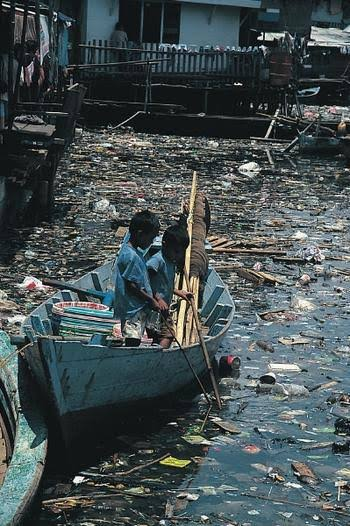
The slow risk: chemicals such as arsenic
Arsenic is one of the best-studied chemical risks in drinking water. WHO notes that arsenic is naturally present at high levels in the groundwater of a number of countries, which makes borewells and handpumps in affected areas a particular concern. washplus
The effects build up quietly. Long-term exposure to inorganic arsenic through drinking-water and food can lead to chronic arsenic poisoning, with skin lesions and skin cancer as the most characteristic effects. These skin changes typically appear after a minimum of roughly five years of exposure. WHO also links long-term exposure to cancers of the skin, lungs, bladder and kidney. www.who.int +2
What is well established and what isn’t
Reviews of the arsenic evidence describe the picture unevenly. The links to cancer and skin changes are strong, while the evidence is weaker for diabetes and reproductive effects, and weakest for strokes and long-term neurological effects. This is worth knowing, because articles on water pollution often list every possible harm as if the evidence were equally solid. greenfacts
Other chemicals, such as fluoride, nitrate, lead and pesticide residues, can matter in some places. Whether they matter for you depends heavily on your local water source, which is why testing beats guessing.
Why clear water isn’t always safe water
Many people judge water by appearance, but most dangerous contaminants don’t change how water looks or tastes. Bacteria are microscopic. Dissolved arsenic is invisible. A glass can look spotless and still carry a risk.
The reverse is also true. Cloudy water isn’t necessarily dangerous, but turbidity makes some treatments work less well, so turbid water needs pretreatment before chlorination, filtration or solar disinfection will work efficiently. Letting water settle or straining it through clean cloth first helps in that case. medbox
Contamination can also happen after the water reaches your home. Research on household practice notes that water can be contaminated by unsafe storage and handling at the household level. Dipping a used cup or unwashed hand into the water container is a common route. ijcmph
What you can do at home
No single method covers every risk, so think in layers.
1. Know where your water comes from
Is it municipal supply, a tank, a borewell, a handpump or a packaged source? Each has different risks. If you rely on groundwater, ask your local water authority or an accredited laboratory about testing, particularly for arsenic and other chemicals in your area. Testing is the only way to find out what is actually in the water.
2. Treat water for germs
Household treatment methods include boiling, filtering and chlorination. A review notes that household water treatment and safe storage, such as boiling, filtering or chlorinating, has been shown to improve the microbiological quality of drinking water. elogim
- Boiling: Simple and reliable against germs, though it needs fuel and time. Let the water cool in a clean, covered container. Boiling does not remove dissolved chemicals.
- Chlorination: Tablets or drops can work where fuel or electricity is limited. Follow the product’s instructions exactly.
- Filters and purifiers: Choose based on what you need to remove. A unit built for germs may not reduce chemicals, and some units are designed for dissolved contaminants. Check what the model is certified for and keep up with maintenance, since neglected filters can stop working properly.
3. Store it safely
Use a clean container with a lid and a narrow opening or a tap, so hands and cups never touch the stored water. Wash the container regularly. Studies suggest this step adds real protection. A pooled analysis found a 33% reduction in diarrhoea risk from household treatment, rising to 45% when combined with safe storage. These are averages from studies in particular settings, not guarantees for any one household. elogim
4. Don’t forget hands and food
Water risk isn’t only about what you drink. Washing hands with soap, washing vegetables and fruit with safe water, and keeping kitchen surfaces clean all reduce the chance of the same germs reaching you another way. WHO lists handwashing with soap, safe drinking-water and improved sanitation among the key measures for preventing diarrhoea. uts
A realistic example (illustrative, not a real case)
Imagine a family using a borewell. They boil water for the children but use unboiled water for rinsing utensils and washing salad. Boiling handles germs in the drinking water, but if the borewell has a chemical problem, boiling does nothing for it, and the salad water brings germs back in. A water test and consistent safe-water use across drinking, cooking and rinsing would fit this household better than any single gadget.
What to expect, and what not to
Treating and storing water properly lowers the risk of water-related infection. It doesn’t remove it entirely, and no home routine can fix a badly polluted public source. For that, community-level action matters. The WHO notes that for arsenic, the most important step in affected communities is preventing further exposure by providing a safe water supply. speciation
It’s also worth being cautious about marketing. Not every claim on a purifier’s packaging is independently verified, and expensive doesn’t automatically mean more effective. Match the product to your water problem.
When to seek medical advice
See a doctor promptly if diarrhoea lasts more than a couple of days, if there is blood in the stool, high fever, severe vomiting, or signs of dehydration such as very dry mouth, little urine or unusual drowsiness. Babies, older adults, pregnant women and people with weakened immunity should be seen early. Persistent skin changes, such as darkened patches or hardened skin on palms and soles in someone who has used a possibly contaminated water source for years, also deserve a medical check. Don’t self-diagnose from an article.
FAQs
Is boiled water always safe?
It is safe from most germs if you boil it properly and store it cleanly. Boiling doesn’t remove chemicals such as arsenic, and the water can be re-contaminated afterwards if the container or cup is dirty.
Does bottled water solve the problem?
Not automatically. Quality varies between products and storage conditions, and bottled water is expensive for daily use. A tested, well-managed home supply with proper treatment is often the more practical option.
Can I tell if my water is polluted by looking at it?
Usually not. Many harmful germs and chemicals are invisible and tasteless. Unusual colour, smell or cloudiness is a reason to be careful, but normal-looking water isn’t proof of safety.
How often should I test my water?
There’s no single rule. If you use a borewell, handpump or private tank, testing at least when you first start using the source, and again if there’s flooding, a change in taste or smell, or illness in the household, is sensible. Your local health or water authority can advise on what to test for in your area.
Is it safe to give children water treated at home?
Properly boiled or treated water is generally used for that purpose, but for babies and children with any health concerns, follow your pediatrician’s advice.
What should I give someone with diarrhoea?
The priority is replacing lost fluid. Oral rehydration solution is the standard approach. If the person is a child, is not improving, or shows signs of dehydration, get medical help.
Conclusion
Water pollution harms health through two routes: germs that cause infections within days, and chemicals that act over years. You can’t see either one, so the sensible approach is to learn what your source is likely to carry, treat the water accordingly, and keep it clean after treatment.
Two small steps are a good place to start. Find out whether your water source has been tested, and check that your storage container is covered and cleaned regularly. Individual effort has limits, and safe public water supply remains the most important protection.