

Written by Vardan Patel
Co-Creator & Health and Fitness Content Creator at FitHub 365
Vardan combines his personal experience with exercise and healthy lifestyle habits with research from reputable health organizations and scientific sources to create practical, beginner-friendly health and fitness content.
Key Takeaways
- AQI is a colour-coded summary of how polluted the air is. A higher number means more health risk, and the effects go beyond the lungs to the heart and blood vessels.
- Children, older adults, pregnant women and people with asthma, COPD or heart disease feel the effects first. Healthy people are not exempt, especially in the highest AQI bands.
- Short-term steps like checking the AQI, filtering indoor air, wearing a properly fitted N95-type mask and moving workouts indoors can reduce exposure. They don’t remove it.
- No food, tea or home remedy has been shown to “detox” the lungs. Reducing exposure matters more.
Rising AQI: What Polluted Air Does to Your Body and What You Can Do About It
You wake up, glance at a weather app and see an AQI of 320. The sky looks hazy, your throat feels scratchy, and you still have to commute, send the kids to school and maybe fit in a workout. Is it really a big deal?
Short answer: yes, it can be, but the risk isn’t the same for everyone or on every day. The rest of this article explains what the number means, what high readings do to the body, and which protective steps are worth your effort.
What the AQI Actually Tells You
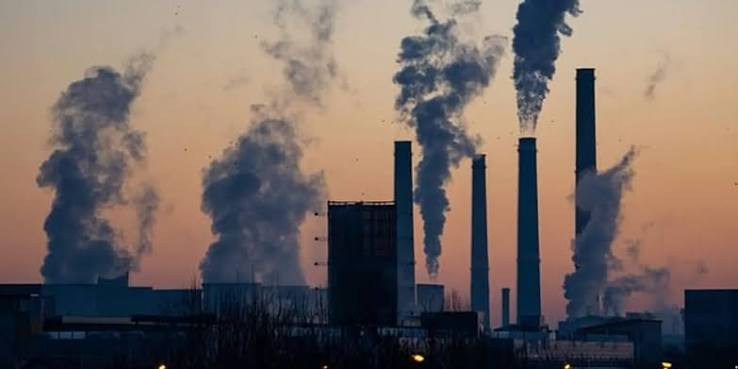
The Air Quality Index turns technical pollutant measurements into one number and a colour, so ordinary people can judge the air without reading lab values. In India, the index is run by the Central Pollution Control Board (CPCB). It has six categories: Good, Satisfactory, Moderately polluted, Poor, Very Poor and Severe, and it factors in eight pollutants. theasthmafiles
Here is how the CPCB bands translate into likely effects:
| AQI | Category | Likely health effect |
|---|---|---|
| 0–50 | Good | Minimal impact |
| 51–100 | Satisfactory | Minor breathing discomfort for sensitive people |
| 101–200 | Moderate | Breathing discomfort for people with lung or heart disease |
| 201–300 | Poor | Breathing discomfort for most people on prolonged exposure |
| 301–400 | Very Poor | Respiratory illness on prolonged exposure |
| 401–500 | Severe | Serious effects even in healthy people air quality index +5 |
Other countries use different scales and colour schemes, so an “AQI 150” on a US-based app and on an Indian one may not mean quite the same thing. Check which standard your app uses.
Which pollutant is behind the number?
Most winter smog days are driven by fine particles called PM2.5, which are 2.5 micrometres or smaller across. They are small enough to travel deep into the lungs. Gases such as nitrogen dioxide and ozone also feed into the index, and a mask that stops particles won’t stop gases.
Why Air Pollution Is a Global Health Issue, Not Just a City Problem
Rising AQI isn’t only an Indian concern. WHO’s factsheet says that in 2019, 99% of people worldwide lived where its air quality guideline levels weren’t met, and it links ambient air pollution to an estimated 4.2 million premature deaths. Low- and middle-income countries carry the heaviest share of that burden. ccacoalition
WHO tightened its guidelines in 2021. The new limits say PM2.5 shouldn’t exceed 5 µg/m³ as an annual average or 15 µg/m³ over 24 hours. For comparison, India’s national standards are 40 µg/m³ (annual) and 60 µg/m³ (24-hour), which are considerably looser. That gap is one reason a “Satisfactory” reading on a local app can still sit above WHO’s guideline. cavacdowntoearth

What High AQI Does to the Body
Lungs and airways
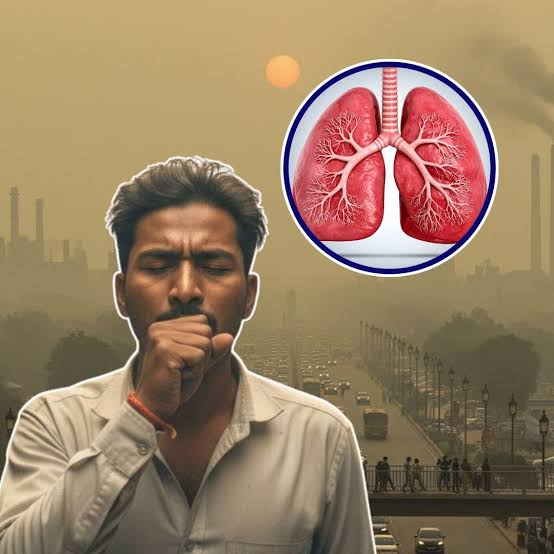
This is the most familiar effect. Particles irritate the airways, which can trigger coughing, wheezing and breathlessness, and can set off asthma attacks. WHO links reduced air pollution to fewer deaths and illnesses from stroke, heart disease, lung cancer and chronic and acute respiratory diseases, including asthma. who

Heart and blood vessels
Many people don’t expect this one. In WHO’s 2012 estimates, around 72% of outdoor-air-pollution-related premature deaths were due to ischaemic heart disease and stroke, with a smaller share from lung disease. That is an older estimate, but it shows why air pollution isn’t purely a “lung issue.” unt
Possible effects beyond the chest
WHO describes emerging evidence that air pollution may also affect brain function, neurodevelopment, fertility, pregnancy and birth outcomes, and type 2 diabetes. “Emerging” is the key word here. Research is still developing, and these findings are not as firmly established as the lung and heart links. who
Short bursts vs. long-term exposure
A single bad-air day can leave you with a sore throat or irritated eyes. The more serious damage comes from living in polluted air for years. That’s why a few days of care doesn’t reverse long-term exposure, and why it’s worth building habits you can sustain through the whole smog season.
Who Needs to Be Most Careful
Everyone breathes the same air, but the risks aren’t shared equally.
- Children breathe faster relative to body size, and their lungs are still developing. WHO calls air pollution one of the greatest environmental risks to child health. ccacoalition
- Older adults are more likely to have existing heart or lung conditions.
- People with asthma, COPD or heart disease feel the effects at lower AQI levels. In the ‘moderate’ band, CPCB-based guidance already notes discomfort for people with lung disorders, asthma and heart disease. business-standard
- Pregnant women are listed among groups who should take extra precautions in public-health guidance on smoke and pollution.
- Outdoor workers, such as delivery riders, traffic police and street vendors, can’t easily “stay indoors.” Their exposure is both higher and harder to avoid.
If you fall into one of these groups, check with your doctor about a plan for high-AQI days, including what to do with any prescribed inhalers or medication.
Practical Ways to Reduce Your Exposure
Nobody can control the city’s air. What you can control is how much of it reaches your lungs. These steps are ordered roughly by effort and cost.
1. Check the AQI before you plan the day
Treat it like a weather forecast. A quick look tells you whether to walk or take the car, whether the kids’ outdoor games are a good idea, and whether it’s a window-closed day.
2. Move workouts indoors when the air is bad
Exercise is still good for you, but there’s a catch. When you exercise, you breathe in more air and so take in more pollution when air quality is poor. A heavy outdoor run in “Poor” or worse air can cost more than it gives. Good alternatives include a home workout, yoga, stairs, a gym or even a brisk walk indoors. Many public-health guides suggest limiting outdoor exercise once the AQI climbs past the moderate range, and sooner if you’re in a sensitive group. wa

Timing advice varies by city and season, so rely on the live reading rather than a fixed hour of the day.
3. Keep indoor air as clean as you can
- Keep windows closed during high-pollution hours and open them when outdoor readings improve.
- Doctors quoted in Indian media recommend a properly sized HEPA purifier for frequently used rooms like the bedroom, and say to avoid indoor smoking and limit candles, mosquito coils and cooking fumes. wionews
- If you buy a purifier, look for one that relies on filtration only, with a HEPA filter, sized for the room, rather than ionic, ozone or UV technologies. Ozone-producing devices can add a pollutant to your room. wa
- Use the exhaust fan or chimney while cooking, and keep the kitchen door closed if you can.
Purifiers are not cheap, so if you can’t afford one, closing windows on bad days, wet-mopping instead of dry sweeping and not burning anything indoors still help.
4. Choose the right mask
Not all masks are equal. Surgical masks block larger dust but do not filter the smallest, more dangerous particles like PM2.5, and only N95 or equivalent-rated masks do, provided they fit tightly. A cloth mask or a loose one won’t do much. Also note that N95 masks can lower exposure to particulates but only work if worn correctly and don’t protect against gaseous pollutants. nafasinkl
If you have a heart or lung condition, talk to your doctor before using a tight-fitting respirator for long periods. It can make breathing feel harder.
5. Reduce your own contribution where you can
Carpooling, public transport, not burning waste and servicing your vehicle all help. Individually the effect is small, but it adds up across a city.
Misconceptions Worth Clearing Up
“I’ll just drink more water or ginger tea to flush it out.” Staying hydrated is good for you generally, but there is no good evidence that any food, drink or home remedy detoxifies the lungs of pollution. Jaggery, turmeric milk, steam and herbal teas may feel soothing, but they don’t remove particles from your body.
“Indoor plants will clean my room.” A doctor quoted in the WION piece says plants are nice to have but not a solution to indoor air pollution. wionews
“Healthy people don’t need to worry.” In the highest bands, CPCB guidance says effects reach even healthy people. Long-term exposure also matters regardless of how fit you feel today.
“My morning walk is the healthiest part of my day.” It usually is, but on severe-smog mornings it may not be. Move it indoors or to a cleaner time.
“A mask makes me safe.” It lowers particle exposure, but it doesn’t help with gases, doesn’t work if it fits poorly and doesn’t undo the effect of a polluted environment.
When to See a Doctor
General guidance can’t replace medical advice. Contact a doctor promptly if you notice breathlessness, chest tightness or pain, wheezing that doesn’t settle, a persistent cough, dizziness, or if a child’s or older adult’s breathing seems laboured. People with known asthma, COPD or heart disease should also ask their doctor for a written action plan before smog season starts.
FAQs
What AQI level is considered unsafe?
For sensitive groups, trouble can start in the moderate band (101–200). For most people, discomfort becomes likely from 201 (Poor) onward, and at 401 or above the CPCB says even healthy people face serious effects.
Is it safe to walk or jog outside when AQI is above 200?
It’s best avoided or kept light, especially for children, older adults and anyone with lung or heart conditions. Indoor activity is a better substitute on those days.
Do air purifiers really work?
A properly sized HEPA purifier can lower fine-particle levels in a closed room. It works best with windows shut, and it needs regular filter changes. It doesn’t remove outdoor exposure.
Can a surgical mask protect me from PM2.5?
Not reliably. Surgical masks catch larger particles but not the smallest ones. A well-fitted N95 or equivalent is a better choice for PM2.5.
Does high AQI cause long-term damage?
Long-term exposure is linked to heart disease, stroke, lung cancer and chronic respiratory disease, based on WHO’s assessments. Short spikes usually cause temporary symptoms, but repeated exposure adds up.
Is it better to open or close windows on a smoggy day?
Generally keep them closed while the outdoor reading is high, and ventilate briefly when it improves.
Conclusion
Rising AQI is a public-health problem that no individual can fix, but your exposure isn’t entirely out of your hands. Start by reading the number the way you’d read a weather forecast. Move strenuous exercise indoors on bad days, keep indoor air as clean as you reasonably can, and use a well-fitted N95-type mask when you must be outside in heavy smog.
Your next steps can be simple. Install a reliable AQI app that uses the CPCB scale, and if anyone in your home has asthma or a heart condition, ask their doctor about a plan for high-pollution days.