
Written by Vardan Patel
Co-Creator & Health and Fitness Content Creator at FitHub 365
Vardan combines his personal experience with exercise and healthy lifestyle habits with research from reputable health organizations and scientific sources to create practical, beginner-friendly health and fitness content.
Key takeaways
- Heavy screen use is most reliably linked to tired eyes, shorter and later sleep, and long stretches of sitting.
- Blue light gets most of the blame, but eye doctors say how we use screens matters more than the light itself.
- Links with mood and mental health exist, but they are associations. What you do on the screen matters as much as how long you spend on it.
- Small changes (screen breaks, an earlier cut-off at night, short walks) are more realistic than quitting devices.
Excessive Screen Time: What It Does to Your Body and Mind
Picture an ordinary day. You check your phone before you get out of bed. You spend hours at a laptop for work or study. You scroll on the commute, watch something at dinner, and scroll again in bed. None of it feels like “a lot” in the moment, yet the hours add up.
So what does all that time actually do to your health? The short answer is that excessive screen time is linked to eye strain, poorer sleep, more sitting, and, in young people especially, possible effects on mood and wellbeing. The science is stronger for some of these than others, and no single magic number marks the point where screens become harmful. This article explains what is well established, what is still uncertain, and what you can do about it without giving up your devices.
What “screen time” actually means
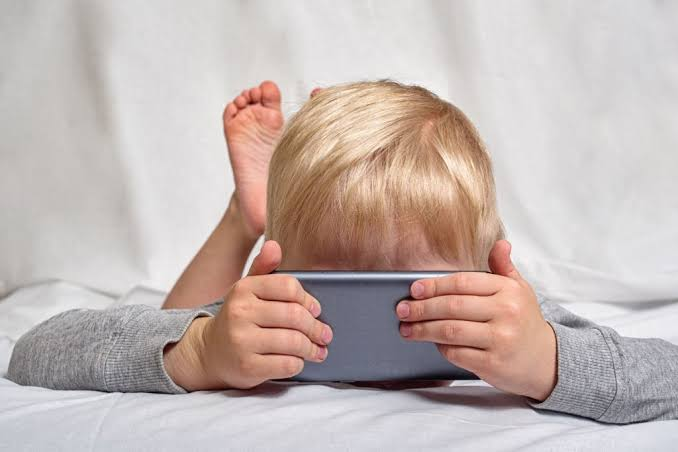
Screen time covers everything from a work spreadsheet to a video call with family to a late-night reel binge. Researchers often lump these together, which is one reason findings can look inconsistent. When the WHO set limits for young children, it defined screen time as passively watching entertainment on a TV, computer or mobile device.
Keep that distinction in mind as you read. Helping your child with homework on a tablet is not the same as hours of autoplay videos, and these differences come up again below.
Your eyes: the most common complaint
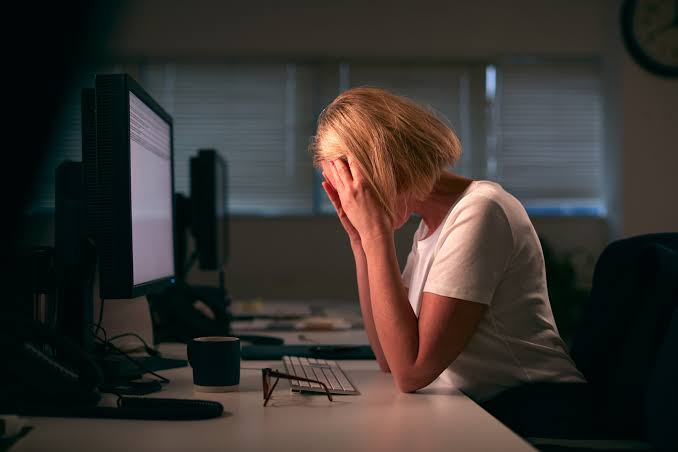
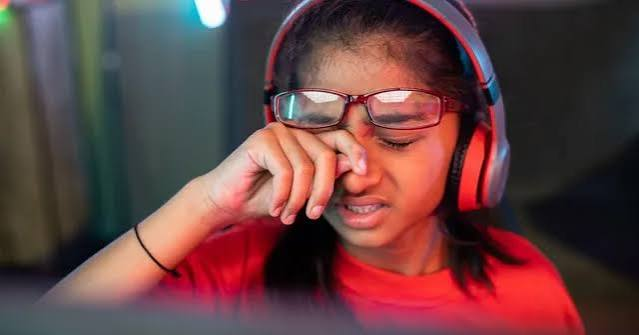
If screens affect you at all, your eyes will probably tell you first. The collection of symptoms is called digital eye strain, or computer vision syndrome. It includes tired eyes, headaches, blurred vision, dry eyes, and neck and shoulder pain. In an American Optometric Association survey, 58 percent of adults said they had experienced digital eye strain or vision problems as a result of heavy computer use. That survey was done in the US, so treat the figure as a rough indication rather than a global one. ehstodayehstoday
Why screens tire your eyes
There are two main reasons. First, close-up focus keeps the focusing muscle of the eye tightened. An optometrist quoted by the Associated Press compared it to holding a light weight over your head for hours: easy to lift, but tiring over time. Second, we blink less when we stare at a screen. The normal blink rate is roughly 18 to 22 times a minute, but it drops to about three to seven when looking at a screen, according to the Cleveland Clinic. Fewer blinks mean drier, more irritated eyes. floridarealtorswjla
What about blue light?
Blue light has become the villain of the story, and blue-light glasses are sold as the fix. The American Academy of Ophthalmology disagrees. It says blue light from digital devices does not cause eye strain and does not lead to eye disease. Symptoms come from how we use our devices, and there is no evidence that blue-light-blocking glasses protect against them. That doesn’t make the glasses dangerous, only unnecessary for this purpose. brownhealth
The pattern of use matters more. Long, uninterrupted stretches of close viewing are the problem, and breaks are the solution.
A note on children’s eyesight
For children, the concern goes beyond tired eyes. A paediatric optometrist at Children’s Hospital of Philadelphia has said that too much screen time or near-focused activity can speed up the onset and progression of nearsightedness, especially in children. The same expert’s suggestion is the “20-20-20-2” rule: the usual eye-break rule plus two hours of outdoor play a day, which supports eye development. wjlafloridarealtors
Sleep: the clearest link
If one effect of screens is well supported, it’s this one. Sleep is also where many other health effects begin, so it’s worth understanding.
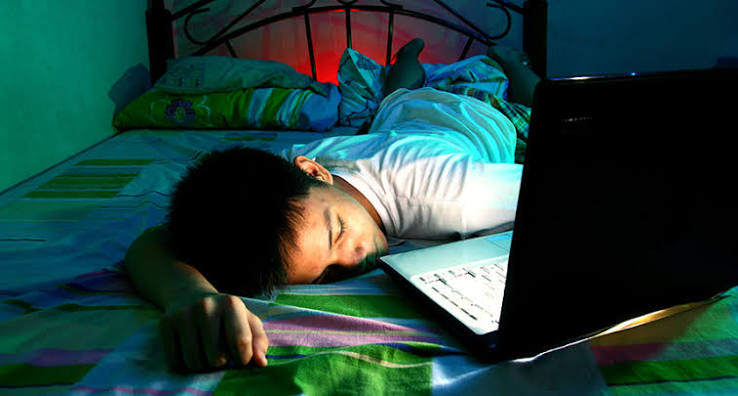
A 2015 systematic review of 67 studies in school-aged children and teenagers found that screen time was adversely associated with sleep, mainly through shorter and later sleep, in 90% of the studies. A more recent meta-analysis found that each extra hour of daily screen time was associated with about 3 to 5 minutes less total sleep, and with a bedtime about 13 minutes later. Those numbers look small per hour, but they compound for someone using screens for six or seven hours a day. nihfrontiersin
Why would screens interfere with sleep?
Researchers point to several routes:
- Time displacement. One more episode or one more scroll pushes bedtime later.
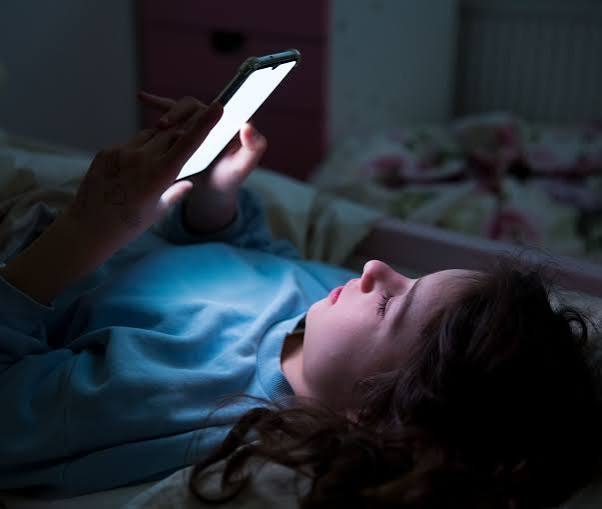
- Alertness. Blue light from screens can raise alertness, so watching videos or scrolling social media in bed may make restful sleep harder. ksat
- Mental stimulation. Gaming, arguments in group chats and exciting content keep the mind active, regardless of light.
Notice that blue light is only one of three. It is also why eye strain and sleep can be separate problems with separate causes.
A fair caution
Most of this evidence is observational, and the relationship runs both ways. Researchers have noted that poor sleep can lead to more screen use later, and teenagers sometimes use media at bedtime to help themselves fall asleep. A review of the research also notes that a causal link has not been confirmed, and that measurement error is a limitation of current studies. So the sleep link is consistent, but it isn’t proof that screens alone cause the sleep loss. elogimnih
Sitting still: the quiet cost
Many screen activities are sedentary ones, and that matters separately from the screen itself. In 2020 the WHO included advice on sedentary behaviour for the first time. Its message for adults is to limit sedentary time, and notes that replacing it with physical activity of any intensity, even light, provides health benefits. The guidelines also say adults who sit for long periods should aim to do more than the minimum recommended activity. For adults, that minimum is 150–300 minutes of moderate-intensity activity a week. pictonachiro
The WHO also says plainly that the evidence was not strong enough to set a specific number of sitting hours as a threshold. That honesty is useful. There is no precise “safe” amount of sitting, but the direction is clear: less is better, and movement helps offset it. uea
For the youngest children, the WHO gave firmer guidance in 2019. As reported at the time, screen time is not recommended for babies under one, should be no more than an hour for ages two to four (less is better), and the WHO encouraged shared reading, storytelling and active play. The guidance also drew criticism. A researcher at the Oxford Internet Institute argued it focused too much on quantity and neglected content and context, and the UK’s Royal College of Paediatrics and Child Health said the evidence was too weak to set time limits. Both views are worth knowing. The WHO limits are cautious guidance, not a proven cut-off. sleepreviewmagnbcmontana
Mood and mental wellbeing: what we know and don’t
This is the area where headlines are loudest and evidence is least settled. A systematic review commissioned by the Scottish Government found increasing evidence of an association between mobile screen use and adverse mental health outcomes in young people. One link that appeared in that review: online experiences such as cyberbullying were tied to shorter sleep, with repetitive distressing thoughts acting as a connecting factor. gov
The word to hold on to is association. A teenager who is already anxious may use their phone more, and a heavy phone user may be missing sleep, exercise or time with friends. Screens can be part of a wider picture rather than the sole cause. Content and context matter too: a video call with a grandparent and hours of comparison-heavy scrolling are different experiences.
If screen use is leaving you or your child persistently low, anxious or unable to cut down despite wanting to, that is worth discussing with a doctor or mental health professional rather than handling alone.
Practical ways to cut back that fit real life
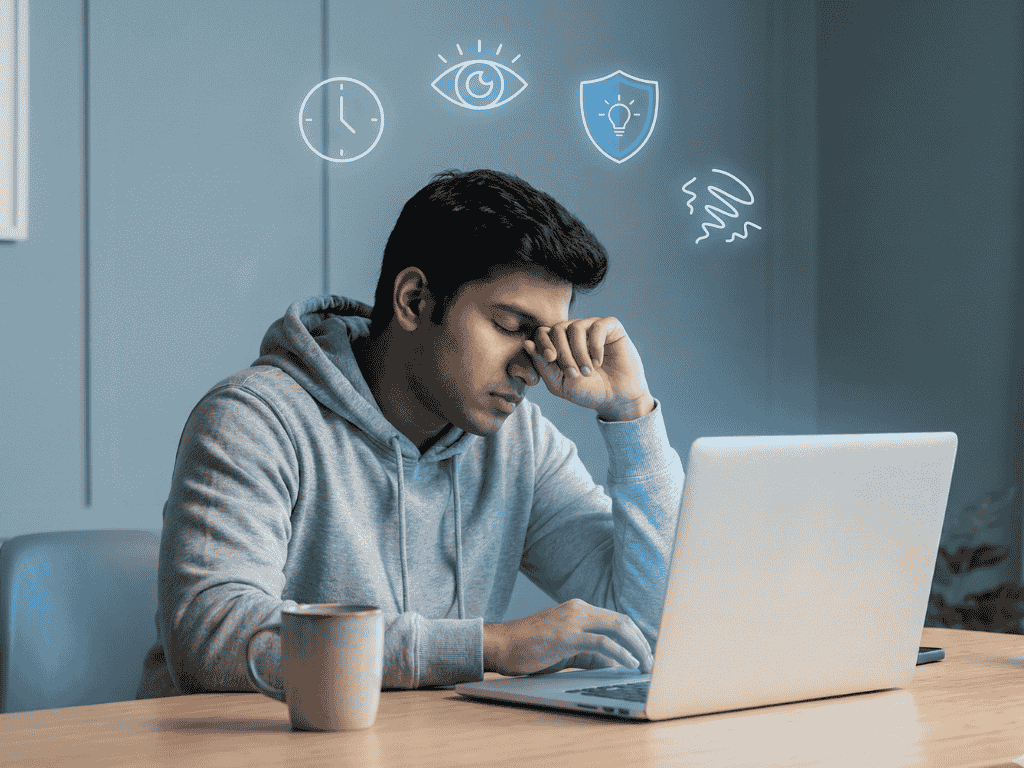
Perfect screen habits aren’t realistic when study, work and social life all happen on devices. Here are changes that cost little and don’t require giving anything up.
For your eyes
- Use the 20-20-20 rule. Every 20 minutes, look at something about 20 feet (6 metres) away for 20 seconds. Looking out of a window works fine.
- Check your setup. The AOA suggests keeping the screen about 20 to 28 inches from your eyes, with the centre of the screen a few inches below eye level. A larger font also helps, particularly on phones. ehstoday
- Blink on purpose now and then, and ask an eye doctor about lubricating drops if dryness persists.
- Get an eye exam if symptoms continue. Don’t assume it’s just eye strain if irritation or other symptoms keep going. brownhealth
For your sleep
- Set a screen cut-off before bed. Doctors commonly suggest turning screens off one to two hours before sleep. If that feels impossible, start with 30 minutes and extend it. floridarealtors
- Charge your phone outside the bedroom, or at least away from the pillow. An alarm clock is cheap.
- Swap the last activity. Listening to an audiobook or podcast instead of watching a video is one easy substitute.
For your body
- Break up long sitting spells with a short walk, a stretch, or a phone call taken standing.
- Pair screens with movement where it makes sense, such as walking while on an audio call.
- Aim for the WHO activity minimums over the week rather than trying to fix everything in a day.
For children and families
- Choose content together and talk about what’s on screen, particularly with younger children.
- Protect sleep and outdoor play first, then fit screens around them.
- Set household rules everyone follows, such as no devices at meals. Rules work better when adults follow them too.
What not to expect
Cutting screen time won’t cure everything. It is unlikely to fix poor sleep caused by stress, a medical condition, or shift work. Blue-light glasses, “detox” apps and strict timers are not magic fixes either. Work and study often require screens, and some screen use is useful, social and enjoyable. The aim is balance, not guilt.
When to see a professional: persistent eye pain, headaches or blurred vision; ongoing sleep problems; a child whose behaviour, schoolwork or mood changes noticeably; or any sense that screen use feels out of control.
Frequently asked questions
How much screen time is too much?
There is no single proven number for adults. The WHO couldn’t set a threshold for sedentary time because the evidence wasn’t strong enough, though it recommends limiting it. For young children, WHO guidance is more specific (see above). A practical test is whether screens are crowding out sleep, movement, relationships or work.
Do blue-light glasses work?
Not for eye strain, according to the American Academy of Ophthalmology. They are harmless but have no evidence of benefit for this purpose. Taking breaks and adjusting your setup is more effective.
Can screens permanently damage my eyes?
Eye strain is temporary and usually settles with rest. The AAO says blue light from screens hasn’t been shown to cause permanent eye damage. The exception is nearsightedness in children, where lots of close-up screen time and too little outdoor time may contribute.
Is it better to read on paper before bed?
Many sleep experts prefer it, because it avoids both the light and the stimulating content. If you use a device, a dimmer setting and calm content are better than a bright, exciting feed, but the evidence for fine-tuning this is limited.
Is screen time worse for teenagers than adults?
Studies in adolescents show stronger sleep and mental health associations, and sleep needs are higher at that age. But most findings are observational, so it isn’t clear how much is caused by screens themselves.
Does educational screen time count?
It still counts as sitting and affects eyes and sleep timing, but content quality matters. Interactive, shared and purposeful use is generally viewed more favourably than passive, solo viewing.
Conclusion
Excessive screen time isn’t harmful in one dramatic way. It works through small, everyday effects: tired eyes, later bedtimes, long hours of sitting, and possibly a heavier toll on young people’s mood. The best-supported advice is also the most manageable: take regular eye breaks, protect your sleep with an earlier cut-off, and move more throughout the day.
Pick one change this week, such as the 20-20-20 rule or leaving your phone outside the bedroom, and see how you feel before adding another.