
Written by Vardan Patel
Co-Creator & Health and Fitness Content Creator at FitHub 365
Vardan combines his personal experience with exercise and healthy lifestyle habits with research from reputable health organizations and scientific sources to create practical, beginner-friendly health and fitness content.
Key takeaways
- A tan is your skin’s response to UV exposure. It is not a sign of a “healthy glow.”
- Prevention works far better than correction. Shade, clothing, and sunscreen do most of the work.
- A broad-spectrum, water-resistant sunscreen of SPF 30 or higher, reapplied about every two hours outdoors, is the standard dermatology advice.
- Existing tans usually fade gradually as skin renews itself. Many popular home remedies have little solid evidence behind them.
- Tanning beds are not a safer alternative to the sun.
How to Control Tanning: What Causes It and What Actually Helps
You step out for a short errand, a cricket match, or a beach afternoon. A few days later, your forearms and neck are visibly darker than the skin under your sleeves. Most people notice tanning only after it has happened, and then the question is how to reverse it.
The short answer: tanning is easier to prevent than to undo. You can limit it with a few consistent habits, and an existing tan will usually fade on its own over weeks as your skin sheds old cells. This article explains why skin tans, how to cut down on it in everyday life, which fading methods are reasonable, and when darker or changing skin deserves a doctor’s attention.
What tanning actually is
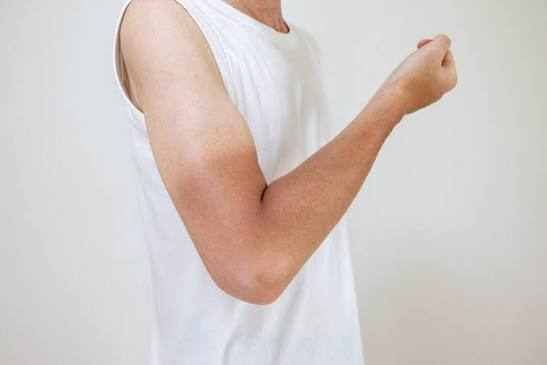
Your skin contains cells called melanocytes that make melanin, the pigment that gives skin its colour. When UV radiation reaches the skin, melanocytes produce more melanin. The extra pigment is partly a defence mechanism, because it absorbs some UV energy before it can damage deeper skin cells.
That is why a tan is better understood as a sign of skin responding to UV than as a sign of health. The WHO states that skin cancers are caused primarily by exposure to ultraviolet radiation, either from the sun or from artificial sources such as sunbeds. A tan offers only modest protection, and it comes with the very exposure that causes the damage. who
Why some people tan more than others
Natural skin tone, the strength of the sun, how long you’re outside, and the time of day all play a role. People with more natural pigment generally tan more easily and burn less easily, but that doesn’t make darker skin immune to UV damage. Anyone can develop sun-related skin problems, so sun protection is relevant for every skin tone.
Tanning and sunburn are related but not identical. Burning is acute injury, while tanning is a slower pigment response. Both involve UV exposure.
What increases tanning
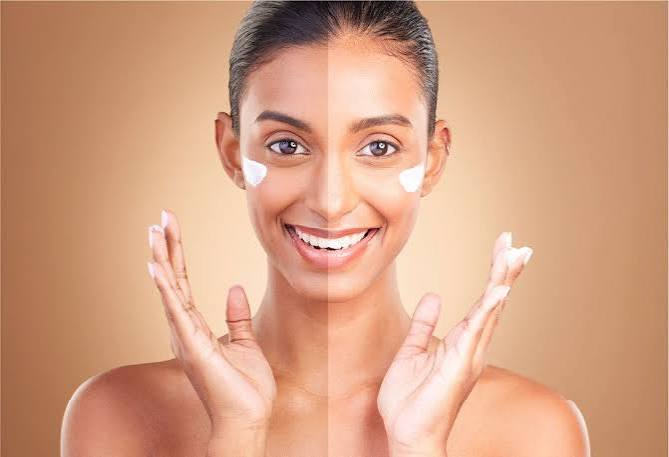
Understanding the triggers helps you decide where to focus your effort.
Midday sun. UV is strongest in the middle of the day, and for much of India that window is long. Many weather apps show a UV index, and the WHO recommends sun protection when the ultraviolet index is 3 and above. who
Reflective surfaces. Water, sand, and light concrete bounce UV back at you, so you can tan under a hat brim or umbrella.
Cloud cover. European cancer-prevention guidance notes that you can still be sunburned on a cloudy or foggy day, so an overcast sky isn’t a reason to skip protection.
Long, unprotected commutes. A two-wheeler ride, a walk to a bus stop, or an hour on a balcony counts. Repeated short exposures add up, and they usually go unnoticed.
Tanning beds. These deliver concentrated UV. European guidance reports that sunbed use, especially when started before age 35, is associated with a substantially higher melanoma risk, roughly a 59% increase in the figure cited there. Please don’t use them to build a “base tan.” who

How to control tanning day to day
Start with shade and timing
If you have a choice, shift outdoor activities to early morning or late afternoon. When you can’t, use shade where it exists. The American Academy of Dermatology (AAD) offers a simple rule of thumb: find shade when your shadow appears shorter than you are, which tends to mean the sun is high and UV is strong. eastidahonews
Cover up with clothing
Clothing is the cheapest and most reliable barrier. It doesn’t wash off or need reapplying.
- Long sleeves in light, breathable cotton or linen work well in Indian heat. Tightly woven fabric blocks more UV than loose, thin fabric.
- A wide-brimmed hat or a cap with a neck flap protects the face, ears, and neck.
- Sunglasses with UV protection help your eyes, which can also be harmed by UV.
- A dupatta, scarf, or arm sleeves are practical for rides and commutes. Gloves can help for long two-wheeler trips.
Use sunscreen properly
Most people use sunscreen, but fewer use it in a way that works. The AAD recommends a sunscreen that is broad-spectrum, SPF 30 or higher, and water resistant, reapplied every two hours outdoors. eastidahonews
A few practical points:
- Broad-spectrum means it protects against both UVB (the rays that burn) and UVA (which contribute to skin ageing).
- Apply about 15 minutes before going out so it has time to settle on the skin.
- Use enough. Under-application is one of the most common errors, and a thin layer gives you much less than the SPF printed on the label.
- Don’t forget the easy-to-miss spots: ears, back of the neck, tops of the feet, hands, and the hairline or parting.
- Reapply after sweating or swimming. Water-resistant products are tested for 40 or 80 minutes, but none is waterproof.
- Higher SPF isn’t a licence to stay out longer. SPF 30 and SPF 50 are close in what they block, and application and reapplication matter more than the number.
If sunscreen feels heavy or leaves a white cast on you, try a different texture. Gels, fluids, and lighter lotions exist, and the sunscreen you will actually wear every day is better than a “perfect” one left in the cupboard. If a product irritates your skin, stop using it and speak to a dermatologist.
Don’t swing to the other extreme
Avoiding all sunlight isn’t the goal. The WHO notes that a certain amount of UV exposure is beneficial to health, in particular for vitamin D. European cancer guidance similarly says a short time outdoors is generally enough for most people’s needs. If you’re worried about vitamin D, ask a doctor about a blood test rather than sunbathing deliberately. who
How to reduce an existing tan
Skin cells turn over continuously, and the pigmented outer layer is gradually shed. For most people, a mild tan fades over a few weeks once the sun exposure stops or reduces. Faster fading is possible only to a limited degree, and the most reliable step is to stop adding new tan.
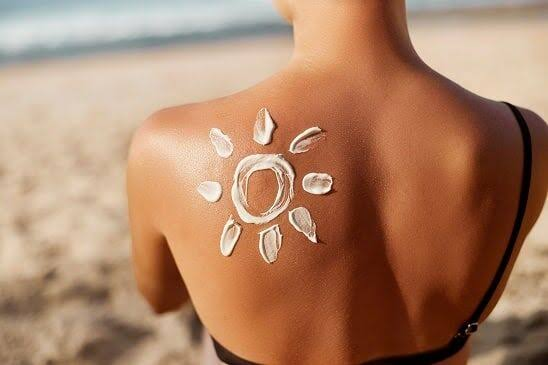
What is reasonable to try
Keep protecting your skin. This is the single most effective measure. If you keep tanning every day, nothing you apply at night will keep up.
Gentle cleansing and moisturising. Well-moisturised skin tends to look better and feel more comfortable, and gentle care avoids irritation that can make discolouration worse. It will not erase a tan on its own.
Light exfoliation, if your skin tolerates it. Mild exfoliation may help dead surface cells shed. Over-scrubbing can inflame skin and cause its own darkening, so keep it gentle and occasional, and skip it entirely on sunburnt or irritated skin.
Over-the-counter skincare ingredients. Products containing ingredients such as vitamin C, niacinamide, or gentle exfoliating acids are commonly used for uneven tone. I haven’t verified the strength of the clinical evidence for each in this article, so treat them as options to discuss with a dermatologist or pharmacist, especially if your skin is sensitive.
Home remedies: be realistic
Lemon juice, besan and turmeric packs, curd, tomato, potato, and aloe vera are widely recommended online for tan removal. Some of these are soothing or mildly exfoliating, and plain curd or aloe on already-calm skin is unlikely to do harm. But I haven’t found reliable clinical evidence in this research that any of them removes a tan faster than time does, so don’t expect dramatic results.
Lemon juice deserves particular caution. It is acidic, it can irritate skin, and applying it before sun exposure may cause a reaction on the skin. If you still want to try any home remedy, patch-test it on a small area first and stop if you notice stinging, redness, or itching.
What to avoid
- Strong bleaching creams or “fairness” products used without medical advice. Some contain ingredients that shouldn’t be used casually or long term.
- Harsh scrubs or peels on burnt, peeling, or inflamed skin.
- Skin-lightening injections or unregulated treatments promising quick results.
If you want professional treatment for stubborn pigmentation, a qualified dermatologist can examine your skin and recommend something suitable.
A simple routine you can actually follow
Not everyone has time for a ten-step skin routine, so here is a realistic version.
| Situation | What helps |
|---|---|
| Daily commute | Sunscreen on face, neck, and hands; cap or scarf; sunglasses |
| Long time outdoors (sports, travel, farming) | Light full-sleeve clothing, wide-brimmed hat, sunscreen reapplied every two hours, breaks in shade |
| Beach, pool, or water | Water-resistant sunscreen, reapplied after swimming; cover-up between swims |
| Already tanned | Daily sunscreen, gentle moisturiser, patience, optional mild exfoliation |
| Limited budget | Prioritise clothing, shade, and timing first; add sunscreen for the most exposed areas |
Misconceptions worth correcting
“A base tan protects me.” A tan does provide a little protection, but getting one means damaging skin cells. It is not a recommended strategy.
“I have dark skin, so I don’t need sunscreen.” More natural pigment gives some protection, but UV can still damage skin of any tone, including contributing to uneven pigmentation and ageing.
“I’m indoors, so I’m safe.” Window glass blocks much of the UVB that burns, but UVA can pass through, and sitting by a bright window for hours is not the same as being in a dark room.
“Cloudy means no tan.” Clouds reduce some UV but not all of it.
When to see a doctor
Tanning itself is not a disease, but see a doctor or dermatologist if you notice:
- A mole or spot that is changing in size, shape, or colour, or that bleeds or doesn’t heal
- Dark patches that are spreading or appear suddenly without clear sun exposure
- Painful blistering sunburn, or sunburn with fever, chills, or dizziness
- Persistent pigmentation that doesn’t improve or that bothers you significantly
People with a personal or family history of skin cancer, a weakened immune system, or those taking medications that increase sun sensitivity should get individual advice about sun protection. This article is general information, not personal medical advice.
Frequently asked questions
How long does it take for a tan to go away?
It varies from person to person, but a mild tan commonly fades over a few weeks after sun exposure stops, as skin renews itself. A deeper or repeated tan can take longer.
Can sunscreen completely stop tanning?
No. Sunscreen reduces UV reaching your skin, but it doesn’t block everything, and real-world use is rarely perfect. Combining it with shade and clothing gives better results.
Is a tan healthy?
A tan is a skin response to UV exposure. It signals that skin cells have been affected, not that your skin is in better health.
Are tanning beds safer than the sun?
No. UV from sunbeds is classified alongside sun UV as a cause of skin cancer. The WHO and European cancer guidance both advise against using them.
Do I need sunscreen indoors or on cloudy days?
On cloudy days, yes, especially around midday or when the UV index is 3 or above. Indoors, it depends on how close you sit to windows and for how long, but for most people sitting away from windows, daily sunscreen indoors isn’t essential.
Can I use sunscreen on a baby?
Sun protection for infants is a question for a paediatrician, since babies’ skin is more delicate and shade and clothing are usually the first recommendation.
Conclusion
Controlling tanning comes down to reducing UV exposure before it happens: choose shade, wear light covering clothing, and use a broad-spectrum SPF 30+ sunscreen that you reapply. If you’re already tanned, give your skin time, keep it protected, and be sceptical of quick-fix promises.
Two small steps to start with this week: keep a sunscreen where you’ll actually use it (by the door or in your bag), and add a cap or scarf to your usual commute. If a mark on your skin worries you, get it checked rather than waiting.