Written by Vardan Patel
Co-Creator & Health and Fitness Content Creator at FitHub 365
Vardan combines his personal experience with exercise and healthy lifestyle habits with research from reputable health organizations and scientific sources to create practical, beginner-friendly health and fitness content.
Key takeaways
- Loneliness is a painful feeling, but it is also linked to physical health risks, including heart disease, stroke, dementia and earlier death.
- These links come mostly from observational research. They show a consistent pattern, not proof that loneliness alone causes each outcome.
- Being alone and feeling lonely are not the same thing. Both matter, and they can overlap.
- Small, repeated social contact usually works better than occasional big efforts.
- Persistent loneliness with low mood or hopelessness is a good reason to talk to a doctor or counsellor.
How Loneliness Affects Your Body, Mind and Health
Picture someone who moved to a new city for work. They have a flat, a job and a phone full of contacts. Weeks go by without a real conversation, and the evenings feel very long.
Is that just a mood, or does it matter for health? Research suggests it matters more than most people expect. Loneliness is not a medical diagnosis, and a lonely week doesn’t damage your body. But long-lasting loneliness is now treated as a public health concern, and the reasons are worth understanding.
What loneliness actually means
Loneliness and social isolation are often used as if they mean the same thing. Researchers separate them. Social isolation means objectively having few social connections or interactions. Loneliness is a subjective, internal feeling that comes from a gap between the connection a person has and the connection they want. ajc
This is why a person can be lonely in a crowded house or a busy office. Another person can live alone, enjoy it, and feel perfectly connected through regular calls and friendships. Health studies often look at both, and the two don’t always move together.

How common loneliness is
It is more common than most people assume. The WHO Commission on Social Connection reports that nearly one in six people worldwide feel lonely. Rates are highest among teenagers and young adults: 20.9% of 13–17-year-olds and 17.4% of 18–29-year-olds. Loneliness is also more common in low-income countries (about 24%) than in high-income countries (about 11%). Loneliness and isolation – the hidden threat to global health we can no longer ignore +2
That pattern may surprise readers who assume loneliness belongs mainly to older people in wealthy countries. Young people in India and elsewhere are not exempt, even in a world of constant messaging.
What the research links to loneliness
Earlier death
The strongest evidence comes from large reviews. A well-known 2015 meta-analysis found that, after adjusting for other factors, social isolation was linked to a 29% higher likelihood of dying, loneliness to 26%, and living alone to 32%. The authors concluded that the effect is comparable with well-established risk factors for early death. byunih
The WHO has since put the issue in numbers. Between 2014 and 2019, loneliness was associated with more than 871,000 deaths a year, about 100 every hour. who
Note the word “associated.” These are statistical links from studies that follow groups of people over time. They don’t prove that loneliness caused each of those deaths. The 2015 review itself found that a person’s starting health influenced the results. Someone who is already unwell may become isolated, which muddies cause and effect. bl
Heart disease and stroke
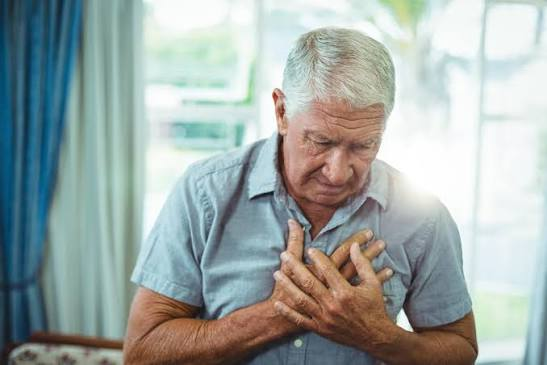
The U.S. Surgeon General’s 2023 advisory cited a 29% higher risk of heart disease and a 32% higher risk of stroke linked to poor social connection. Those figures come from a pooled analysis of 16 studies of people with poor social relationships. They are not a prediction for any one person. laistaarp
Memory and dementia
The same advisory cited a 50% higher risk of dementia in older adults. A 2024 analysis in Nature Mental Health reported a 31% greater dementia risk in adults experiencing loneliness. The estimates differ because the studies measured loneliness, age groups and follow-up periods differently. The consistent message is the direction of the link, not one exact figure. laistaarp
Mood and anxiety
The link with mental health runs in both directions. Depression and anxiety can make people withdraw and feel lonelier, while having someone to confide in can sometimes help protect against depression, even in people at high risk. That loop is one reason loneliness can feel hard to escape. woodtv

Why loneliness might affect the body
Researchers don’t have one settled explanation. The main ideas are:
- Stress and inflammation. The Surgeon General’s advisory points to stress-hormone spikes, immune-system disturbances and changes in gut microbes as possible roles. Loneliness has also been associated with chronic inflammation. Chronic stress over long periods is a plausible route to wear and tear, but it is still an explanation under study. aarpajc
- Everyday behaviour. Having someone around to encourage you to take medicines and see a doctor can help people manage health problems. Without that nudge, small problems may go unchecked. Many people also eat less well or move less when they have no one to share meals or walks with, though this deserves checking against specific studies before you rely on it. aarp
Both pathways are believed to work together, and neither is proven as the sole cause.
Why modern life makes it easier to drift apart
Some causes are specific to the way many of us live. Examples worth recognising, as illustrations rather than statistics:
- Moving to another city or country for study or work.
- Living in a PG or hostel where nobody shares a routine.
- Working from home with few casual conversations.
- Joint-family or neighbourhood ties loosening as families spread out.
- Scrolling through other people’s lives rather than talking to anyone.
Phones can help or hurt. A video call with a cousin is real contact. Hours of passive scrolling usually isn’t.
Practical ways to reconnect
Big changes aren’t necessary. Repetition matters more than intensity.
Start with the contacts you already have. The Surgeon General’s advisory suggests reaching out to at least one friend or family member every day and keeping your phone away during meals. A two-minute voice note to an old friend counts. aarp
Build in places where people see you repeatedly. A morning walking group, a regular spot at the local chai stall, a neighbourhood yoga class, a temple, mosque, gurdwara or church community, a library, a sports club or a volunteer group all work. Familiar faces become acquaintances, and acquaintances can become friends. This takes weeks, so don’t judge it after one visit.
Try small acts for others. One programme asked people to do small acts of kindness for neighbours, and researchers reported reduced loneliness, stress and conflict with neighbours. It is one study, but the idea is cheap and low-risk. harvard
Plan for people who can’t leave the house easily. If you are older, a caregiver, or have limited mobility, regular phone or video calls and online groups built around a shared interest are reasonable alternatives. Choose what fits your budget and routine.
Be kind about the process. If you feel awkward or anxious in groups, begin with one-to-one meetings. It is normal to feel nervous at first.
What not to expect
- A new hobby won’t fix loneliness overnight.
- Having many online contacts doesn’t guarantee feeling connected.
- Loneliness doesn’t mean something is wrong with you. It is a common human response to missing connection.
- Reconnecting won’t guarantee any health outcome. The research supports connection as helpful, not as a cure.
When to get professional help
Loneliness is not a diagnosis, but it can sit alongside depression or anxiety. Consider speaking to a doctor, counsellor or mental health professional if low mood lasts for weeks, if sleep or appetite change a lot, or if you feel hopeless. If you have thoughts of harming yourself, contact a local emergency number or crisis helpline straight away, or tell someone you trust. In India, Tele-MANAS (14416) is the national mental health helpline; confirm it is current before publishing.

FAQs
Is loneliness the same as being alone?
No. Being alone is a situation. Loneliness is a feeling of missing connection. You can be alone and content, or surrounded by people and lonely.
Can loneliness really make you physically ill?
Research links long-term loneliness with higher risk of several conditions, but most of the evidence is observational. It shows an association, not proof that loneliness alone causes illness. Stress responses and changes in everyday health behaviour are the most discussed explanations.
Is loneliness only a problem for older people?
No. The WHO report found the highest rates among adolescents and young adults. Older adults face their own risks, especially if mobility or bereavement limits contact. medicaldialogues
How many friends do I need?
There’s no research-based number. Quality, reliability and feeling understood seem to matter more than the count. One or two people you can confide in is a meaningful start.
Do online friendships count?
They can, especially when they involve real conversation. Passive browsing doesn’t usually have the same effect. If you find online time leaves you feeling worse, shift some of it into calls or in-person plans.
When should I see a professional?
If loneliness comes with persistent low mood, anxiety, changes in sleep or appetite, or hopelessness, speak to a doctor or counsellor. Don’t wait for it to become severe.
Conclusion
Loneliness is a normal human feeling, but when it lasts, the research suggests it can affect more than mood. The links to heart health, brain health and longevity are consistent, even though cause and effect are hard to prove.
The practical lesson is that connection is part of health, like movement and sleep. A sensible next step is to pick one person to contact this week and one regular activity where you will see the same faces. If the feeling stays heavy, speaking to a professional is a strength, not a failure.