
Written by Vardan Patel
Co-Creator & Health and Fitness Content Creator at FitHub 365
Vardan combines his personal experience with exercise and healthy lifestyle habits with research from reputable health organizations and scientific sources to create practical, beginner-friendly health and fitness content.
Key Takeaways
- Microplastics are tiny plastic fragments (under 5 mm) found in food, water, air and, according to some studies, human tissues.
- Their presence in the body is reasonably well supported. Whether they cause disease in humans is still unproven.
- One heart-disease study found a strong link, but it shows association, not cause. Some high-profile tissue studies have been challenged over measurement methods.
- You can’t avoid microplastics completely, but a few kitchen habits, especially not heating food in plastic, can lower your exposure.
How Microplastics May Affect Human Health: A Clear Look at the Evidence
You pour water from a plastic bottle, reheat last night’s dal in a plastic tub, and wear a polyester gym T-shirt. None of it feels risky. Yet headlines now say tiny plastic particles have turned up in blood, arteries and even the brain, and it’s reasonable to wonder whether you should worry.
The short answer is that microplastics are almost certainly in your body, but science has not yet shown how much harm they do to people. Some early findings are concerning, and some of the most dramatic claims are under scientific challenge. This article separates what’s established from what’s uncertain, then covers practical ways to reduce exposure without panic or big expense.
What Are Microplastics, and How Do They Reach Us?
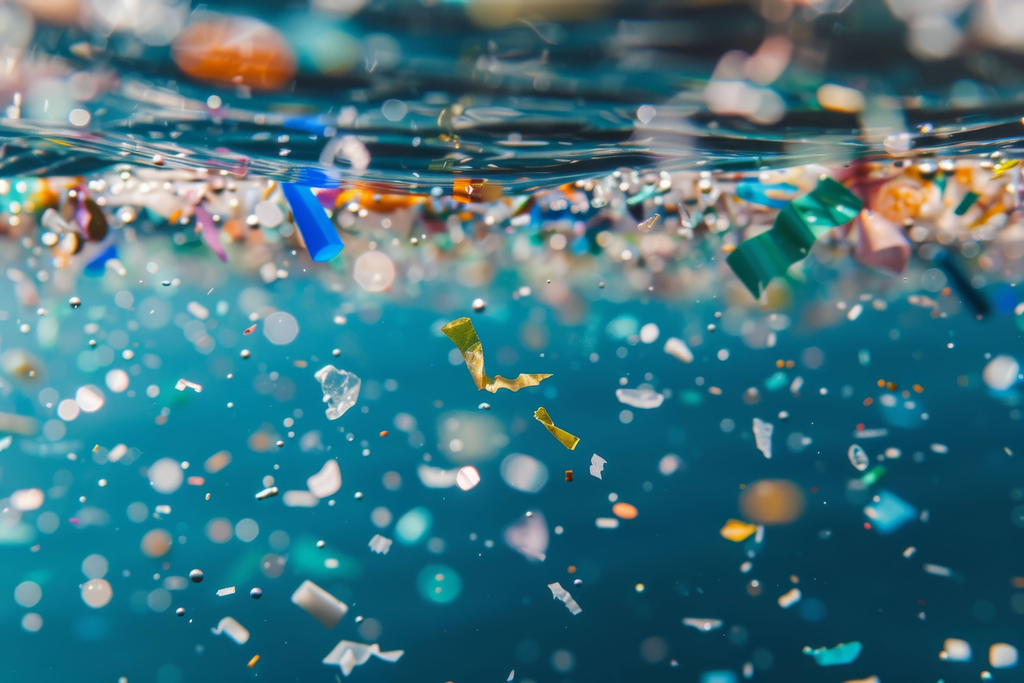
Microplastics are plastic fragments smaller than 5 millimetres, roughly the size of a pencil eraser or less. Most human health concerns focus on far smaller particles, often called nanoplastics, which are too small to see without a microscope. ecowatch
They come from two main routes. Some are made small on purpose, such as the microbeads once common in scrubs. Most form when larger items such as bottles, bags, packaging, tyres and synthetic clothing break down or wear away.
You can take them in through:
- Food and drink: from packaging, processing, and from water and soil.
- Air: dust and fibres, especially indoors.
- Skin contact: possible with some products, though this is far less studied.
Because the sources are so widespread, this is a general exposure and not a niche problem.

Is There Proof That Microplastics Are Inside Us?
Yes, with caveats about how well the amounts are measured. Studies have reported microplastics in the gut, lungs, blood and other tissues, and researchers have also found them in the placenta, liver and other organs.
Finding plastic in the body is not the same as proving it harms the body. Three questions matter:
- How much gets in, and how much leaves again?
- Which particle sizes and types are involved?
- Do they cause measurable disease in humans?
The first two are partly answered. The third is where the evidence is thinnest.
What the Research Suggests About Health Effects
Drinking water: the WHO’s reassurance, with limits
The WHO’s 2019 review of microplastics in drinking water concluded that, based on the evidence available, they appear to pose a low concern to human health at the levels reported in the scientific literature. The same report noted that smaller particles are more likely to cross the gut wall and reach other tissues, and that for the very smallest particles the evidence is very limited. openaccessgovernmentecowatch
That review covers drinking water only, not food, air or newer research, and it dates from 2019.
Heart health: the most-discussed human study
In 2024, researchers writing in The New England Journal of Medicine studied people having surgery to clear plaque from their neck arteries. The study enrolled 304 patients, and 257 completed follow-up averaging about 34 months. People whose plaque contained microplastics or nanoplastics were about 4.5 times as likely to have a heart attack, stroke or death from any cause during follow-up. healio
This is a striking number, but there are important limits:
- An observational study like this cannot show that microplastics caused the outcomes, only that the two were associated. Science Alert
- Participants already had serious artery disease, so the results may not apply to healthy people.
- Other exposures or health factors could partly explain the difference.
It raises an important question without answering it. One lab-based finding, in cell and animal studies, is that microplastics can trigger inflammation and oxidative stress in heart cells, but animal and lab results don’t automatically carry over to people. Science Alert
The brain: a cautionary example
A 2025 Nature Medicine study reported measurable plastic in human brain samples, with higher levels than in other organs. It drew wide attention. It also drew criticism. The German Federal Institute for Risk Assessment noted that measurement methods remain a major source of uncertainty in this field. bund
The main concern is that the detection technique can confuse some natural body fats with plastic, and the brain is very fatty tissue. By one count, seven studies reporting microplastics in organs such as the brain and testes have been formally challenged by other researchers. The original authors have defended their work, and researchers say the methods are improving. warpnews
The fair reading is that the brain finding has not been confirmed or dismissed. If you see a viral claim that your brain contains “a spoon’s worth” of plastic, treat it with caution. The number depends on measurements that experts are actively disputing.
Other possible effects
Researchers are also looking at gut health, immune responses, hormone disruption and reproductive health. Plastics can carry chemical additives such as phthalates, and some of those have known health concerns separate from the particles themselves. Much of the supporting evidence so far comes from animals or lab experiments, so it should be read as a reason for further study and for sensible precaution, not as proof of harm.
What Authorities Say About Food
Regulators have been more cautious than headlines. A preliminary European Food Safety Authority review found clear evidence that microplastics are released from food packaging, but concluded the actual amounts are likely lower than many studies suggest and that current evidence can’t support reliable exposure estimates. Media coverage also reports that the US FDA does not consider current evidence to demonstrate a risk at the levels found in food. Check the FDA’s own wording before publishing that statement (see checklist). food-safety
In other words, officials aren’t saying there is no issue. They’re saying the data aren’t yet strong enough to set firm risk levels.

Who Might Need to Be More Careful?
Researchers generally advise extra care for people who may be more sensitive to chemical exposures. Children and pregnant women are often named as groups for whom reducing exposure matters more. This is a precautionary view and not a statement that harm has been proven. irishexaminer
Practical Ways to Reduce Your Exposure
You don’t need to throw out everything plastic or buy costly gadgets. The aim is to cut the biggest, easiest sources.
1. Don’t heat food in plastic
This is the habit most experts point to first. One experiment found that two polypropylene containers released an estimated 326,000 to 534,000 microplastic particles into a food simulant after five minutes of microwaving, four to seven times more than with oven heating. That was a lab test using a simulated food, so real-world numbers will differ, but the direction is clear: heat and plastic are a poor combination. food-safety
What to do in an Indian kitchen:
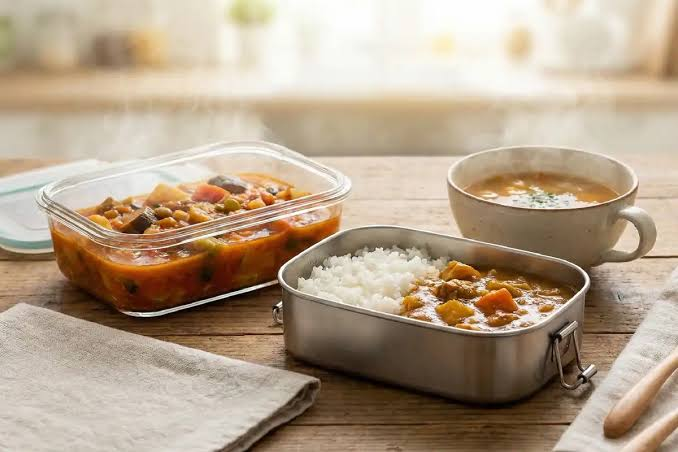
- Move leftovers to a steel katori, glass bowl or ceramic plate before microwaving.
- Skip plastic lids and cling film over hot food.
- Avoid pouring very hot tea, soup or dal into plastic cups or takeaway tubs.
2. Retire old and scratched plastic
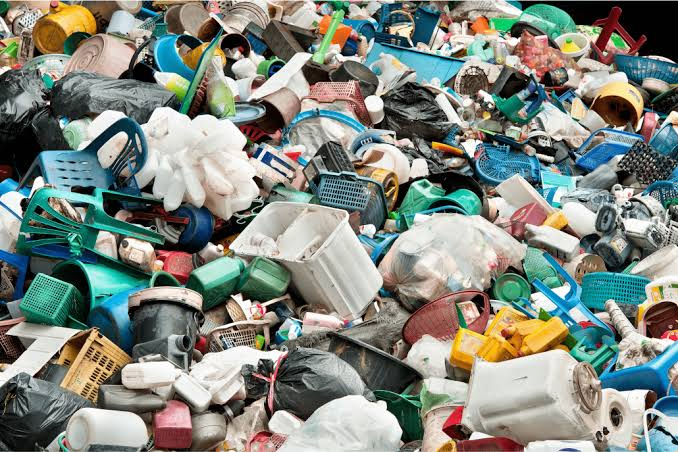
Old or scratched containers were reported to release nearly twice as many microplastics as new ones. Cloudy, warped or heavily scratched tubs are the ones to replace first, and single-use containers shouldn’t be reused for storage. food-safety
3. Use steel or glass where it’s easy
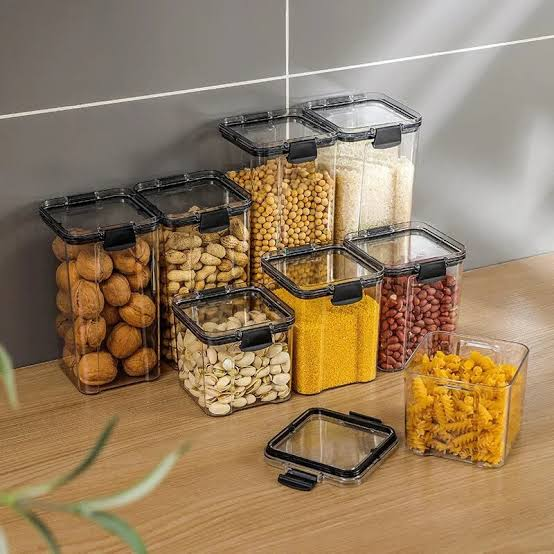
Steel tiffins, steel bottles, glass jars and clay or steel water containers are common in many Indian homes already, and they’re affordable. You don’t need to replace everything at once. Switch the items you heat or use daily and leave the rest.
4. Think about takeaway
Hot food sitting in plastic packaging on the way home is a common source of heat and plastic contact. When possible, transfer it to a plate quickly, or carry your own steel container for takeaway.
5. Look at fitness gear and clothing
Workout clothes made from polyester and other synthetic fabrics shed fibres. Synthetic textiles are a frequent and often-forgotten source of exposure, especially when washed or dried. You can reduce shedding with full washing loads, cooler water, and natural fabrics such as cotton for everyday wear. You don’t need to throw out gym clothes. Wear what you have, and consider fabric when you next buy. irishexaminer

6. Keep dust down
Indoor dust carries plastic fibres. Regular damp-mopping, wiping surfaces and ventilating rooms is cheap and has other benefits.
7. Be realistic about water filters and bottled water
Reusing a steel or glass bottle avoids some plastic contact. Filters marketed for microplastic removal exist, but I haven’t verified evidence for specific Indian household products, so don’t spend heavily on this without checking performance claims. Plain tap or filtered water remains far safer than not drinking enough or drinking unsafe water. In many places the WHO considers microbial contamination the more significant public health threat in drinking water, so keep your usual water safety steps.
Common Misconceptions
“Microplastics are proven to cause cancer or heart disease.” Not yet. Some studies show associations, but cause hasn’t been established.
“It’s all hype.” Also not accurate. The particles are real and widespread, and some uncertainty is about measurement, not about whether plastic is in the environment.
“A detox or supplement can remove them.” No reliable human evidence supports this. Commentary on the brain study noted that evidence for removing microplastics from the body is scarce. Be wary of any product making this claim.
“Microwave-safe means no shedding.” The label addresses heat tolerance and safety standards. Studies suggest plastic can still release particles when heated.
When to Speak to a Doctor
There’s no standard medical test for microplastic exposure, and general symptoms such as fatigue or digestive discomfort shouldn’t be blamed on plastic. If you have ongoing symptoms, are pregnant, or are concerned about a child’s exposure, a qualified healthcare professional can look at the whole picture.
FAQs
Are microplastics dangerous to humans?
It isn’t known for certain. Human evidence of harm is limited and mostly associative, while some lab and animal findings are concerning. The sensible approach is to reduce avoidable exposure while research continues.
Can I avoid microplastics completely?
No. They’re in air, water, soil and food worldwide. The practical goal is lowering exposure from sources you can control.
Is bottled water worse than tap water?
Studies have found particles in both, and the WHO’s 2019 review covered both tap and bottled water. Reusing a steel or glass bottle reduces plastic contact. Choose whichever safe water source you can access reliably.
Is it safe to microwave “microwave-safe” plastic?
Those labels address whether the container will melt or warp, not necessarily whether particles are released. Heating food in glass or ceramic is the more cautious option.
Do microplastics affect fitness or exercise performance?
No direct human evidence supports that. The link to fitness is mainly through possible heart and metabolic effects, which remain under study, and through sources like synthetic clothing and plastic bottles.
Should I worry about children?
Children and pregnant women are often highlighted for extra caution because developing bodies may be more sensitive. Avoid heating baby bottles and feeding items in plastic where possible, and ask a paediatrician for personal advice.
Conclusion
Microplastics are an everyday reality, and research into their effect on human health is still young. The heart-disease link is worth taking seriously but doesn’t prove cause, and some of the boldest claims about organs like the brain are under debate. Panic isn’t warranted, and neither is dismissal.
If you make one change, stop heating food in plastic. If you make a second, replace the oldest, most scratched containers with steel or glass. Beyond that, keep following reliable updates, since the picture will keep improving.