
Written by Teerth Busa: Health & Fitness Content Writer
Key Takeaways
- The gym helps with weight loss mainly by increasing energy use, protecting muscle and building a routine you can keep. Food intake still has a large influence on the scale.
- A beginner-friendly mix is regular moderate cardio plus full-body strength training on two or more days a week.
- Slow, steady progress is more realistic and easier to maintain than crash approaches. Results vary a lot between people.
- You cannot choose where fat comes off. Exercising your abs does not burn belly fat specifically.
- Sleep, recovery, technique and any medical conditions matter. Check with a doctor first if you have a health condition or have been inactive for a long time.
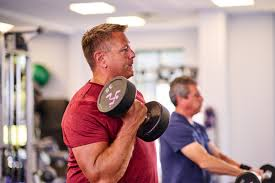
Does the Gym Help You Lose Weight?
Yes, it can, but it usually works best as one part of a bigger picture. Weight change depends on the balance between the energy you take in from food and drink and the energy your body uses. Workouts add to the energy you use. Strength training helps preserve muscle while you lose weight. And a gym routine can give structure to your week, which helps many people stay consistent.
What the gym does not do is cancel out any eating pattern. Many beginners are surprised that an hour of exercise burns far less energy than they expect, while a snack or sweet drink can replace it in a few minutes. That is why most reliable guidance pairs physical activity with sensible eating, rather than treating either one as a stand-alone fix.
This guide explains what to do in the gym, how to set up a simple week, what to eat around training, and what to avoid. It is general education, not personal medical advice.
How Exercise Contributes to Weight Loss
The energy balance idea, in plain words
Your body uses energy all day: to keep you alive at rest, to digest food, to move around and to exercise. If you regularly take in less energy than you use, body weight tends to fall over time. If you take in more, it tends to rise. Real life is messier than this, because appetite, sleep, stress, hormones, medications and genetics all play roles, and people respond differently to the same plan. Still, energy balance is the basic framework.
What exercise adds
- Extra energy use. Cardio and strength sessions raise your energy expenditure during the workout and, to a smaller degree, afterwards.
- Muscle protection. When people lose weight through eating less alone, some of the loss can come from muscle. Adding resistance training is generally recommended to help preserve lean mass.
- Better health markers. Regular activity supports heart health, blood sugar control, mood and sleep, even if the scale moves slowly. These benefits are well established for physical activity in general, and they do not depend on how much weight you lose.
- Habit and confidence. Showing up on set days builds a routine, which tends to matter more than any single perfect workout.
What exercise does not do
It does not guarantee a set amount of weight loss in a set time. Some people compensate for exercise without noticing, by eating a little more or moving less for the rest of the day. This is normal, and it is one reason results differ so much.
How Much Should a Beginner Do?
Public health guidance gives a useful starting framework. The World Health Organization recommends that adults aim for at least 150 to 300 minutes of moderate-intensity aerobic activity per week (or 75 to 150 minutes of vigorous activity, or an equivalent mix), plus muscle-strengthening activities on two or more days a week. Those are general health targets, not weight-loss prescriptions. Some guidance suggests that people aiming for larger weight loss, or trying to keep weight off, may need more activity than the minimum. who
A beginner should not jump straight to the top of these ranges. If you are new to exercise, start lower and build up over several weeks.
A simple way to gauge moderate intensity: you can talk, but not sing, and your breathing is noticeably heavier.
A Beginner Gym Week You Can Actually Follow
Here is a flexible example. Adjust days to fit your life, and treat the numbers as starting points, not rules.
| Day | Focus | Example |
|---|---|---|
| Day 1 | Full-body strength | 6 to 7 exercises, 2 to 3 sets each |
| Day 2 | Easy to moderate cardio | 20 to 30 minutes on a treadmill, cycle or cross-trainer |
| Day 3 | Rest or light walk | A relaxed walk, stretching |
| Day 4 | Full-body strength | Same pattern, slightly different exercises |
| Day 5 | Cardio | 20 to 30 minutes, steady pace |
| Day 6 | Optional activity | A longer walk, a sport, a recreational class |
| Day 7 | Rest | Sleep well, prepare food for the week |
Strength session building blocks
Choose one movement from most of these groups:
- Squat or leg press for legs and glutes
- Hip hinge such as a Romanian deadlift with light weight, or a hip thrust
- Push such as a chest press, push-up variation or shoulder press
- Pull such as a seated row or lat pulldown
- Core such as a plank or dead bug
- Carry or lunge variation once you are comfortable
Pick a weight that feels challenging by the last few repetitions while your form stays controlled. If your technique breaks down, lower the weight. Machines are a sensible way to begin because they guide the movement path, and a qualified gym instructor can show you the basics.
Cardio options
- Brisk treadmill walking, ideally with a small incline
- Stationary cycling
- Cross-trainer or rowing machine
- Walking outdoors on days you skip the gym
High-intensity interval training can be time-efficient, but it is not essential and is not the best first step for everyone. Build a base of steady cardio and basic strength first.
Progression without overdoing it
Increase only one thing at a time: a little more weight, one more set, or a few more minutes. Mild muscle soreness after new exercises is common. Sharp pain, joint pain or pain that lingers is a signal to stop and seek advice.
Eating Around Your Workouts
The most useful nutrition advice for a beginner is about overall pattern rather than special foods. There is no single fat-burning food. Aim for meals built around vegetables, fruit, whole grains, protein sources and sensible portions, and reduce how often you rely on sugary drinks and heavily processed snacks.
Indian and global food examples
| Need | Indian options | Other options |
|---|---|---|
| Protein | Dal, chickpeas, rajma, paneer, curd, eggs, sprouts, tofu | Beans, lentils, fish, chicken, Greek yogurt, soy products |
| Fibre-rich carbs | Roti from whole wheat or millets, brown rice, oats, poha with vegetables | Whole-grain bread, oats, quinoa, potatoes with skin |
| Vegetables and fruit | Seasonal sabzi, salad, fruit with meals | Any variety that is available and affordable |
| Snacks | Roasted chana, fruit, a small handful of nuts, buttermilk | Plain yogurt with fruit, nuts, whole fruit |
These are examples, not a prescribed diet. Vegetarian, vegan, non-vegetarian and regional eating patterns can all work. Choose what is affordable, familiar and sustainable for you.
Practical eating tips
- Include a protein source at most meals. This tends to improve fullness for many people. Exact protein targets differ by person, so avoid copying numbers from social media.
- Swap, do not just remove: water or unsweetened tea instead of sugary drinks, fruit instead of packaged sweets.
- Watch liquid calories and portion sizes of oily or fried foods, which are easy to underestimate.
- Eat something sensible before training if you feel low on energy, and a regular meal afterwards. There is no magic post-workout window you must hit.
- Stay hydrated, especially in hot weather.
Supplements are not necessary for beginners, and no supplement replaces food and training. If you are considering any, speak with a doctor or registered dietitian first.
How Fast Should Weight Come Off?
A gradual pace is generally recommended. Many health authorities describe roughly half a kilogram to one kilogram per week as a common guideline for steady loss, though this does not fit everyone and early changes in the first weeks often include water. Do not expect a straight line: weight naturally fluctuates from day to day because of fluid, food volume and hormonal cycles.
Better ways to track progress than the scale alone:
- Waist measurement taken the same way each time
- How your clothes fit
- Strength gains, such as lifting a little more or finishing a walk more easily
- Energy, sleep and mood
- Consistency, such as sessions completed per week
Other Factors That Affect Results
Sleep and recovery
Short or poor sleep is associated with higher appetite and lower energy for exercise. Most of the research here is observational or short-term, so treat it as a reason to protect your sleep, not as a guaranteed fix. Rest days are part of training, not a failure of discipline.
Technique
Good form lowers the risk of avoidable injury and helps you train the intended muscles. Start light, watch your movement in a mirror, and ask a qualified gym trainer to check your basics.
Daily movement
Walking, taking stairs and reducing long periods of sitting add up. For many beginners, increasing everyday steps is an easy complement to gym sessions.
Stress and routine
Stress can affect eating habits and sleep. Simple routines, such as fixed workout times and planned meals, make healthy choices easier. Persistent low mood, anxiety or disordered eating thoughts deserve professional support, not more willpower.
Common Mistakes and Misconceptions
“I can spot-reduce belly fat.” Exercises strengthen muscles but do not remove fat from a chosen body area. Fat loss happens across the body, and where it comes off first varies by person.
“Cardio is the only way to lose weight.” Cardio helps, but strength training is valuable for preserving muscle and improving how your body looks and functions at a given weight.
“Lifting weights will make me bulky.” Building large amounts of muscle takes years of focused training and suitable eating. A beginner program mainly builds strength and tone gradually.
“I can out-train a poor diet.” It is difficult. Exercise and eating habits work together.
“More is always better.” Too much too soon increases injury risk and burnout. Sustainable beats extreme.
“Sweating more means burning more fat.” Sweat reflects heat and temperature, not fat loss.
“Skipping meals or crash dieting speeds things up.” Severe restriction can cause fatigue, poor workouts, nutrient gaps and rebound overeating, and it is not recommended.
Safety: Who Should Check With a Professional First?
Speak with a doctor before starting or significantly increasing exercise if you:
- Have heart disease, high blood pressure, diabetes, kidney disease or asthma
- Have joint, back or other musculoskeletal problems
- Are pregnant or recently gave birth
- Take regular medication, especially for blood pressure or blood sugar
- Have been inactive for a long time and are older or have multiple risk factors
- Have a history of an eating disorder
Stop exercising and seek urgent medical help if you experience chest pain or pressure, severe breathlessness, fainting, or unusual dizziness. A registered dietitian can give individualized eating advice, and a certified trainer can build a personalized program.
Frequently Asked Questions
How many days a week should a beginner go to the gym for weight loss?
Three to four days is a realistic start for most beginners, mixing two strength days with cardio, plus walking on other days. Consistency over months matters more than the exact number.
Should I do cardio or weights first?
Both are useful. If your main goal is to build strength, lift first while you are fresh. If cardio is the priority, do it first. For most beginners, either order is fine, so choose the one that keeps you consistent.
Can I lose weight with only gym workouts and no diet changes?
Some people do, but many find progress is slow or absent unless eating habits also change. Exercise remains valuable for health even when the scale moves little.
How long before I see results?
It varies. Many people notice better energy, strength or fitness sooner than visible body changes, and visible change often takes weeks to months. No honest timeline can be guaranteed.
Is it normal for the scale to go up when I start lifting?
Yes, it can happen. Fluid shifts from muscle soreness, new foods and hormonal cycles can raise weight temporarily. Look at trends over several weeks, along with measurements and how you feel.
Do I need a personal trainer?
Not necessarily, but a few sessions with a qualified trainer can help you learn safe technique and build a plan. This is optional and can be a cost consideration.
Conclusion
The gym can be a strong ally for weight loss when it is paired with realistic eating habits, adequate sleep and patience. Start with a modest routine of two strength sessions, some steady cardio and regular walking, and build up gradually. Focus on habits you can repeat rather than on quick transformations.
Your next steps: pick three fixed days this week for your sessions, and swap one regular sugary drink or snack for a simpler option.