
Key takeaways
- Missing sleep hits attention first. Lapses in focus are among the most consistent effects in the research.
- Emotional reactions tend to get stronger and harder to regulate after a night without sleep.
- Chronic short sleep (6 hours or less) can cause cumulative problems that people may not notice in themselves.
- Early research suggests sleep helps the brain clear waste products. Much of the evidence is from mice, and it doesn’t show that one bad night causes dementia.
- Occasional bad nights are common. Persistent sleep problems deserve a conversation with a doctor.
How Sleep Deprivation Changes the Brain
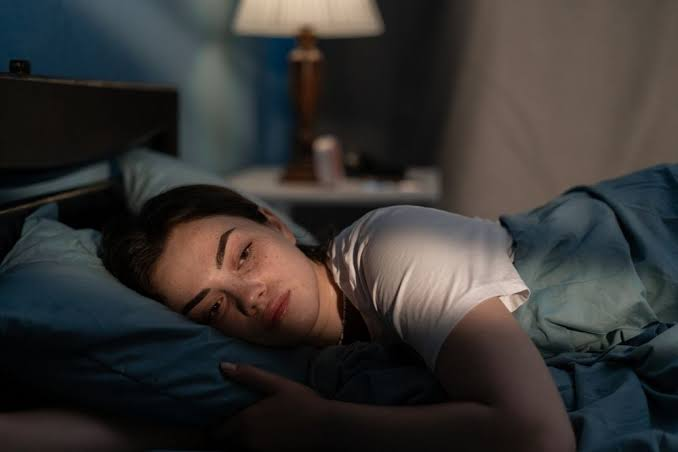
You’ve probably had a night when sleep wouldn’t come. The next day you reread the same sentence three times, snapped at someone over nothing, and forgot why you walked into the kitchen. That’s not weakness or a lack of willpower. It’s what a sleep-deprived brain does.
The short answer: sleep deprivation makes the brain worse at sustaining attention, steadying emotions and storing new memories. It may also interfere with the brain’s overnight “housekeeping.” Most of these effects ease after proper rest, but the long-term effects of chronic sleep loss are still being studied.
This article explains what happens, what the evidence supports, where it stops, and what you can realistically do about it.
What counts as sleep deprivation?
Researchers describe two main patterns:
- Total (acute) sleep deprivation: staying awake for a full night or longer.
- Chronic sleep restriction: regularly sleeping less than you need, such as 5 or 6 hours a night, for days or weeks.
For adults, the American Academy of Sleep Medicine and the Sleep Research Society recommend at least 7 hours a night for people aged 18–60. Needs vary between individuals. One NIH-supported study estimated an average of about 8 hours was needed to prevent performance problems from building up, with differences between people. cdcnih
Attention: the first thing to slip
If sleep deprivation has a signature effect, it’s on attention. A large meta-analysis combined 70 studies of short-term total sleep deprivation (under 48 hours). It found effects ranging from small to large, with the largest effect on lapses in simple attention. Reasoning accuracy showed only a small, non-significant change. academiaacademia
In practice, a tired brain can often still reason through a problem. What it struggles with is staying focused long enough to apply that ability. This is why drowsy driving is dangerous: a lapse of a second or two can matter a lot.
Mood and emotional control
In a well-known brain-imaging study, researchers scanned healthy young adults who had been awake for about 35 hours while they viewed upsetting images. The amygdala, an emotion-processing region, was reported to be over 60 percent more reactive than in people who had slept normally. The researchers also described weaker coordination between the amygdala and the prefrontal cortex, the part of the brain involved in judgment and self-control. berkeley
The study was small and measured a single episode of severe sleep loss, so it can’t tell us what everyday short sleep does. It does fit what many people notice: with too little sleep, small irritations feel bigger and calming down takes more effort.

Memory and learning
The US National Institute of Neurological Disorders and Stroke says sleep is needed to form and maintain the brain pathways involved in learning and creating memories. Sleep deprivation also affects working memory, the mental “scratchpad” you use to hold a phone number or follow directions. Reviews report deficits in attention and working memory after 24–48 hours without sleep. nihnih
Studying through the night before an exam may feel productive, but you are working with a brain that is worse at focusing and probably worse at storing what you read.
Does sleep clean the brain? What we know and don’t
You may have read that sleep “washes” the brain. The idea comes from a 2013 study in mice. Natural sleep was associated with a 60% increase in the space between brain cells, which increased fluid exchange and sped up clearance of beta-amyloid, a protein linked to Alzheimer’s disease. jci
Human evidence is thinner. A small NIH study scanned 20 healthy adults aged 22 to 72 after a normal night and after about 31 hours awake, and found roughly a 5 percent rise in beta-amyloid in brain regions including the hippocampus and thalamus. It is unknown whether this would subside after a night of rest. The lead researcher cautioned that the findings should not be read as meaning one night of lost sleep leads to Alzheimer’s. Lack of sleep may be linked to risk factor for Alzheimer’s disease +2
So the idea is plausible and interesting. Treat it as emerging research. It does not show that poor sleep causes dementia.

“I’m used to 5 hours”: the problem with chronic short sleep
Many people believe they’ve adapted to sleeping less. A classic experiment tested this. Healthy adults were limited to 4, 6 or 8 hours of sleep a night for two weeks, or kept awake for three days. Sleeping 6 hours or less per night produced cognitive deficits equal to up to two nights of total sleep deprivation, so even moderate restriction can seriously impair healthy adults. nih
The lesson is that regularly shortchanging yourself may build up a “cost” that is easy to underestimate. This was a controlled experiment, so it’s strong evidence for the cognitive effects it measured. It doesn’t tell us about every long-term health outcome.
Practical steps to protect your sleep
You can’t control everything about sleep, but these habits are realistic and low-cost.
Keep a steady schedule
The CDC suggests going to bed and waking at the same times each day. A consistent rhythm helps your internal clock more than any single trick. cdc
Make your bedroom sleep-friendly
The CDC also advises a quiet, dark room that isn’t too hot or cold. In warm climates, a fan, light curtains and a cooler room can matter more than expensive gadgets. livescience
Move screens out of the bedroom
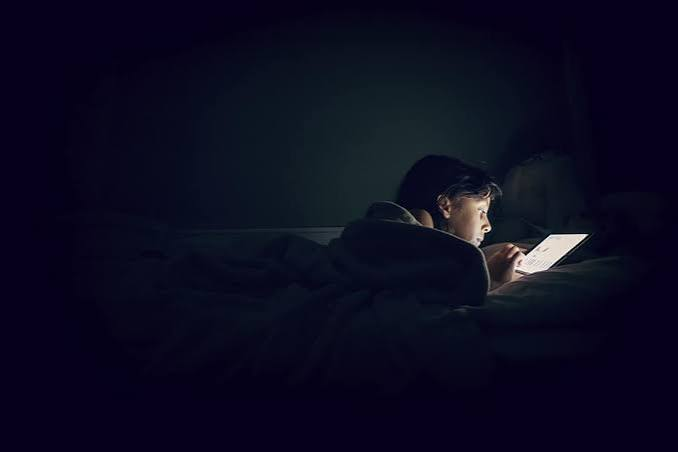
The CDC recommends turning off or removing TVs, computers and mobile devices from the bedroom. Charging your phone across the room also removes the temptation to scroll at midnight. cdc
Watch caffeine and late meals
Chai, filter coffee, cola and energy drinks all contain caffeine, which can keep some people awake if taken late in the day. A heavy, late dinner may also make settling down harder for some. Sensitivity differs, so notice your own pattern. Warm milk with turmeric is a traditional bedtime drink in many Indian homes. It’s comforting for many people, but I haven’t found strong evidence that it improves sleep.
Get daylight and move during the day
Morning light and regular physical activity are commonly recommended for healthier sleep rhythms. These are general lifestyle suggestions and are not specific findings from the studies above.
Use naps carefully
A short nap can help after a poor night. Long or late naps may make it harder to sleep that night.
Common mistakes
- Using caffeine to push through the day and then wondering why sleep is hard.
- Treating sleep as the first thing to cut when life gets busy.
- Lying in bed frustrated for hours. If you’re awake and anxious, get up, do something quiet in dim light, and return when sleepy.
Misconceptions and limits
- “One bad night damages my brain permanently.” The research shows temporary changes after one night, not proven lasting harm.
- “Weekend sleep fully repairs it.” The evidence is mixed. One study found extra weekend sleep may lower heart disease risk in people who sleep under six hours on weekdays, but relying heavily on weekend sleep can throw off your internal clock. sleepeducation
- “Brain-cleaning proves poor sleep causes Alzheimer’s.” It doesn’t. Studies suggest a link worth investigating, not a proven cause.
- “Everyone needs exactly 8 hours.” Needs vary. Use the 7-hour minimum as a guide and notice how you feel.
When to seek help
Occasional poor sleep is normal. Consider seeing a doctor if you:
- struggle to sleep for weeks, or feel exhausted despite enough time in bed
- snore loudly, wake gasping, or have pauses in breathing reported by a partner
- feel persistently low, anxious or hopeless
- often feel dangerously drowsy while driving or at work
If you ever have thoughts of harming yourself, contact a local emergency service or crisis line right away. This article is general education and cannot diagnose or treat any condition.
FAQs
How long can a person go without sleep?
There’s no safe target to aim for. Impairment shows up quickly, and some people experience hallucinations or very poor judgment after long stretches awake. This article doesn’t cover extreme sleep deprivation, and it isn’t something to try.
Can you catch up on lost sleep?
Partly. After a short night, extra sleep in the following days usually helps. Chronic sleep loss is harder to judge, and evidence on full recovery is incomplete.
Does sleep deprivation affect everyone the same way?
No. Age, genetics, health, and how long you’ve been awake all play a role, which is why the 7-hour minimum is a guide, not a rule.
Is sleep deprivation the same as insomnia?
Not exactly. Sleep deprivation means not getting enough sleep, often because of lifestyle or schedule. Insomnia is difficulty falling or staying asleep despite having the opportunity to sleep. A doctor can help tell them apart.
Can poor sleep cause long-term brain disease?
Researchers are studying links between chronic poor sleep and conditions such as Alzheimer’s disease, but current evidence shows associations, not proven causes.
Conclusion
Sleep deprivation affects the brain in measurable ways: shakier attention, more intense emotions, and weaker memory formation. Early work also suggests sleep may support brain waste clearance, though much of that evidence comes from animals or very small human studies.
The most useful takeaway is that regular sleep isn’t a luxury. Protecting your 7-plus hours is a realistic everyday health habit. Start with two steps this week: set a consistent wake-up time, and keep your phone out of reach of your bed. If sleep problems persist, talk to a healthcare professional.