
Key takeaways
- A proper nutrition diet is an overall eating pattern that meets your body’s needs, not a list of “good” and “bad” foods.
- Health agencies consistently point to a pattern built on vegetables, fruit, legumes, whole grains and nuts, with limited salt, free sugars and unhealthy fats.
- Needs vary with age, activity, health conditions and culture, so there is no single perfect diet.
- Food supports health but cannot guarantee any outcome. Sleep, movement and consistency matter too.
- Small, repeatable changes work better than strict plans.
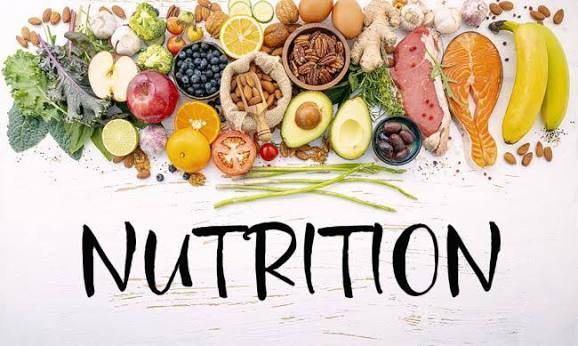
Why a Proper Nutrition Diet Matters: A Beginner’s Guide
You open the fridge at 8 p.m., tired, and wonder whether tonight’s dinner “counts” as healthy. Most beginners struggle here, because nutrition advice is loud, contradictory and often extreme.
The short answer: a proper nutrition diet is a regular pattern of eating that gives your body enough energy and nutrients, while limiting things that cause harm when eaten in excess. A healthy diet throughout life helps prevent malnutrition in all its forms, as well as noncommunicable diseases such as diabetes, heart disease, stroke and cancer. who
This guide explains what that means in plain language. It covers why it matters, what a balanced plate can look like with Indian and international foods, which myths to ignore, and when to ask a professional.
What does “proper nutrition diet” actually mean?
“Diet” here means what you usually eat, not a short-term weight-loss plan. A proper nutrition diet has three qualities:
- Adequate: enough energy (calories), protein, fats, carbohydrates, vitamins, minerals and fibre for your body.
- Varied: different foods across and within food groups, because no single food contains everything.
- Balanced: neither too much nor too little of anything, with calorie intake roughly matching what you use.
The exact make-up of a balanced diet varies with age, gender, lifestyle, physical activity, cultural context and locally available foods, but the basic principles stay the same. You do not need to eat like anyone else. You need a pattern that works with your culture, budget and health needs. who
Nutrients vs. foods
Nutrients are the components your body uses:
- Carbohydrates are the main energy source. Whole grains and millets also provide fibre.
- Protein supports tissue repair and many body functions.
- Fats supply energy and help absorb some vitamins. The type matters more than the mere presence of fat.
- Vitamins and minerals are needed in small amounts for processes such as blood formation, immunity and bone health.
- Fibre supports digestion and is found in plant foods.
You eat foods, not isolated nutrients. A bowl of dal with vegetables supplies several nutrients at once, which is why food-based guidance is easier to follow than counting grams.
Why proper nutrition matters
It affects long-term disease risk
Large health bodies identify poor diet as a major risk factor. WHO lists unhealthy diet and lack of physical activity among the leading global risks to health. In India, ICMR-NIN estimates that 56.4 percent of the total disease burden is due to unhealthy diets. whothesouthfirst
Much of the evidence behind these statements comes from population studies, which show associations rather than guarantees. Even so, the direction of advice has been consistent across major guidelines.
It supports everyday energy and growth
Beyond disease risk, eating well supports healthy growth in children, recovery from illness, muscle and bone maintenance in adults, and healthy ageing. Skipping meals or relying heavily on snack foods can leave you low on protein, fibre and micronutrients even when you eat enough calories.
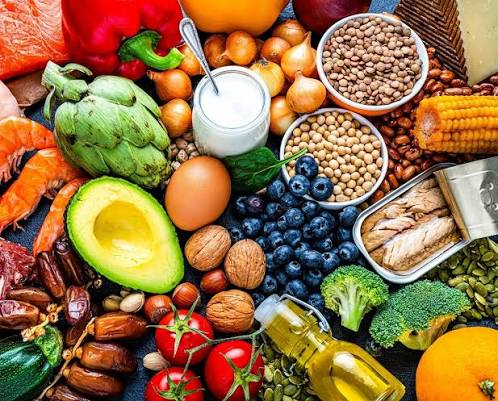
It tackles both “too little” and “too much”
Nutrition is not only about avoiding excess. India’s guidelines were written because undernutrition persists alongside rising overweight, obesity and diet-related disease. Both problems can exist in the same community, or even the same family. openfoodfactsnewsonair
What the major guidelines agree on
Guidelines differ in details, but several themes repeat.
More of these:
- Vegetables and fruit
- Legumes (dal, rajma, chickpeas, beans, lentils)
- Whole grains and millets
- Nuts and seeds in sensible amounts
Less of these:
- Salt: ICMR-NIN advises limiting added salt to a maximum of 5 grams per day and choosing iodised salt. newsonair
- Free sugars: WHO says keeping free sugars below 10% of total energy intake is part of a healthy diet. who
- Unhealthy fats: WHO guidance prefers unsaturated fats over saturated and trans fats, and advises keeping saturated fat below 10% of total energy. imace
- Ultra-processed, high-fat, sugar and salt foods: ICMR-NIN advises minimising them. newsonair
India’s guidelines also describe an overall balance in which no more than 45% of calories come from cereals and millets and up to 15% from pulses, beans and meat, with the rest from nuts, vegetables, fruits and milk. These figures are population-level guidance, not a personal prescription. visionias
How to build a balanced plate
You do not need weighing scales. Use a simple visual approach.
A flexible plate model
- About half the plate: vegetables and some fruit across the day, in different colours.
- A quarter: whole or minimally processed grains such as roti from whole wheat or millet flour, brown rice, oats or quinoa.
- A quarter: protein foods such as dal, chickpeas, rajma, paneer, curd, eggs, fish, chicken or tofu.
- Small amount: healthy fats such as nuts, seeds or measured cooking oil.
This is an educational model, not a medical prescription. Your needs may be higher or lower.
Sample Indian-style day
| Meal | Example options |
|---|---|
| Breakfast | Vegetable poha with peanuts, or besan chilla with curd |
| Lunch | Roti or millet roti, dal, mixed vegetable sabzi, salad, a bowl of curd |
| Snack | Fruit, roasted chana, or a handful of nuts |
| Dinner | Vegetable khichdi with a side of sautéed greens, or grilled fish/paneer with vegetables |
Internationally familiar swaps
- Oatmeal with fruit and nuts instead of sugary cereal
- Whole-grain sandwich with beans, eggs or lean protein and salad
- Lentil soup, hummus with vegetables, or stir-fried tofu with vegetables
- Water, unsweetened tea or coffee instead of sweetened drinks
Different eating patterns
- Vegetarian: combine legumes, dairy or alternatives, nuts and whole grains to meet protein needs.
- Vegan: plan carefully for vitamin B12, which is not reliably available from plant foods, and ask a professional about other nutrients.
- Limited budget: seasonal vegetables, dals, eggs, peanuts, curd and local grains are often affordable and nutritious. Healthy eating does not require imported “superfoods.”

Habits that make it sustainable
- Change one thing at a time. Add a vegetable to lunch, or swap a sweet drink for water.
- Plan roughly, not rigidly. Decide on two or three meals ahead so you are not choosing when tired.
- Read food labels. ICMR-NIN specifically encourages reading labels to make informed choices. Look at sugar, salt and fat content. visionias
- Cook more often when possible. Home cooking gives you control over salt, oil and sugar.
- Eat mindfully. Slow meals help you notice fullness.
- Combine food with movement. ICMR-NIN recommends at least 30 to 45 minutes of moderate-intensity physical activity for good health across age groups. newsonair
Common mistakes to avoid
- Cutting out entire food groups without a reason. Unless advised by a clinician, removing carbohydrates, fats or dairy can create gaps.
- Relying on “healthy” packaged foods. Check labels, because words like “natural” or “multigrain” don’t guarantee low sugar or salt.
- Chasing a single superfood. No one food compensates for the rest of the diet.
- Eating very little then overeating. Long gaps and strict rules often backfire.
- Copying influencer plans. Their needs, health status and budget differ from yours.
Limitations, myths and safety
Food is not a cure. No ingredient detoxifies the body, melts fat or guarantees protection from disease. Diets reduce risk for some conditions on average, but genetics, environment, sleep, stress, tobacco and alcohol also matter.
Nutrient content is not the same as proven benefit. A food may contain a vitamin, but that alone doesn’t prove it will improve your health. Strong claims need human trial evidence.
Supplements are not automatically necessary. Some people do need them, for example for diagnosed deficiencies or during pregnancy under medical guidance. Regarding protein, India’s guidelines discourage protein supplements for muscle building and cite concerns about prolonged high intake of protein powders. Whether supplements are right for you is best discussed with a doctor or dietitian. openfoodfacts
Individual differences matter. Seek qualified advice if you:
- have diabetes, kidney disease, heart disease, thyroid disease or digestive disorders
- take regular medication, since some foods can interact with certain drugs
- have food allergies or intolerances
- are pregnant, breastfeeding or planning pregnancy
- are feeding infants or young children
- are older and losing weight unintentionally
- have a history of, or concerns about, disordered eating
If food feels stressful, or you restrict heavily or binge, speak to a doctor or mental health professional rather than trying to fix it with a diet plan.
Frequently asked questions
What is the simplest definition of a nutrition diet?
It is the pattern of foods and drinks you consume regularly, judged by whether it gives you the energy and nutrients you need without too much salt, sugar or unhealthy fat.
Is a nutrition diet the same as a weight-loss diet?
No. A nutrition diet focuses on overall health and adequacy. Weight may change as a side effect, but it isn’t the only goal, and individual weight outcomes vary.
Do I need to count calories?
Not necessarily. Many beginners do well by focusing on food quality, portion awareness and regular meals. If you have a specific medical or training goal, a professional can advise on whether tracking is useful.
Can I follow a healthy diet on a tight budget?
Yes. Seasonal produce, legumes, eggs, curd, peanuts and traditional grains can be nutritious and affordable. Pricey imported products are not required.
Is it okay to eat sweets or fried food sometimes?
Occasional treats can fit into a balanced pattern. The concern is regular, high intake of free sugars, salt and unhealthy fats, which guidelines advise limiting.
How long before I notice benefits?
It varies. Some people notice steadier energy or digestion within weeks, while other benefits, such as lower long-term disease risk, develop over years and cannot be promised for any individual.

Conclusion
A proper nutrition diet is less about perfection and more about pattern. Eat a variety of vegetables, fruit, legumes and whole grains, keep salt, free sugars and unhealthy fats in check, stay active, and adapt the plan to your culture, budget and health needs.
Next steps: this week, add one vegetable or legume to your two most-skipped meals, and check the sugar and salt content on one packaged food you eat often. If you have a medical condition or special circumstance, speak to a qualified professional before making big changes.