
Written by Vardan Patel
Co-Creator & Health and Fitness Content Creator at FitHub 365
Vardan combines his personal experience with exercise and healthy lifestyle habits with research from reputable health organizations and scientific sources to create practical, beginner-friendly health and fitness content.
Key Takeaways
- Dehydration means your body has lost more fluid than it has taken in. Mild cases are common and usually fixable at home.
- Thirst is useful, but it isn’t a perfect early warning. Thirst isn’t always a reliable early indicator of the body’s need for water, and it fades further with age. ku
- Even small fluid losses can affect concentration, mood and headaches. The evidence on thinking skills is mixed, so it shouldn’t be overstated.
- There is no single magic number of glasses. Needs depend on weather, activity, diet, age and health.
- Severe dehydration, or dehydration with vomiting or diarrhoea that won’t stop, needs medical care.
How Dehydration Affects Your Body
You’re three hours into a busy afternoon. Your head feels heavy, your focus is slipping, and you assume you’re just tired. You haven’t had much to drink since breakfast, but it hasn’t occurred to you that the two might be linked.
That’s how dehydration often works. It rarely announces itself with drama. It tends to show up as a dull headache, a dry mouth or a sluggish afternoon, and it’s easy to blame on something else.
This article explains what dehydration is, how it affects different parts of your body, what the research does and doesn’t show, and how to stay hydrated without turning it into a chore.
What Dehydration Actually Means
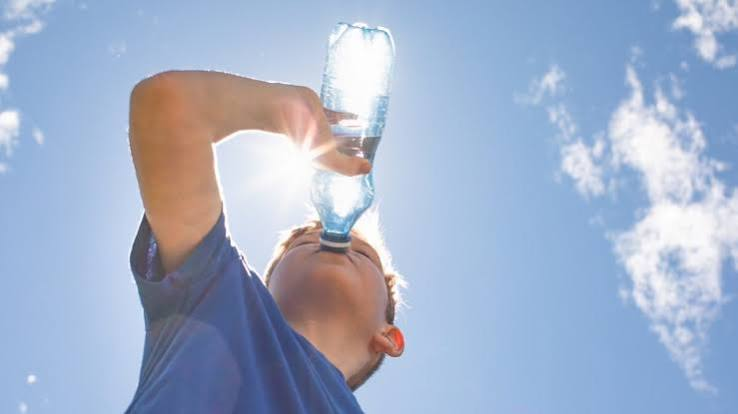
Dehydration occurs when you use or lose more fluid than you take in, and your body doesn’t have enough water and other fluids to carry out its normal functions. Water makes up roughly 60% of an adult’s body weight, so almost every system depends on it. ku
Fluid goes out all day, whether you notice or not. You lose it through urine, sweat, breathing and digestion. In hot weather, during illness or after hard exercise, the losses can rise sharply. Sweat also carries electrolytes such as sodium and potassium, which help nerves and muscles work and help your body balance its fluids. That’s why dehydration is rarely just about water.
Think of it as a budget. Fluid in must roughly match fluid out. When it doesn’t for long enough, you start to feel it.
Early Signs You Might Be Dehydrated
Mild dehydration usually looks like this:
- Thirst and a dry or sticky mouth
- Darker yellow urine, and passing less of it than usual. Dark-colored urine and urinating less frequently are among the signs commonly listed for adults. baycare
- Tiredness or low energy
- Headache
- Dizziness, especially when you stand up quickly
- Dry lips or skin
None of these proves you’re dehydrated. Poor sleep, hunger, stress and illness can cause the same symptoms. They’re better treated as prompts to ask yourself when you last had a drink.
Urine color is a handy everyday check. Pale straw color usually suggests you’re doing fine. Consistently dark urine suggests you need more fluid. It isn’t precise. Some vitamin supplements, foods and medicines change urine color, so use it as a rough guide.

How Dehydration Affects Different Parts of Your Body
Energy and physical performance
Your blood is mostly water. When you’re short on fluid, blood volume can drop, and your heart may work harder to keep circulation steady. That can show up as a faster pulse, lightheadedness or a feeling that exercise is harder than it should be.
Water also helps you cool down through sweat. In heat, low fluid reserves make it harder to regulate temperature, which raises the risk of heat illness. Mayo Clinic notes that when it’s hot and humid, your risk of dehydration and heat illness increases. ku
Concentration, mood and headaches
This is the area where many articles overpromise, so it’s worth being careful.
A review in the Journal of the American College of Nutrition concluded that being dehydrated by just 2% impairs performance in tasks that require attention, psychomotor, and immediate memory skills. The same review found that long-term and working memory tasks and executive functions held up better, and that results differ across studies because the methods differ. nihnih
A separate controlled study in young women, led by Armstrong and colleagues in 2012, found that dehydration of about 1.4% of body mass was linked to degraded mood, increased perception of task difficulty, lower concentration, and headache symptoms, though most measured aspects of cognitive performance were not affected. That study was small, involved only women, and was funded in part by a company in the beverage industry, according to one commentary on it, so it’s one useful data point rather than a final answer. painscience
A fair summary is that mild dehydration probably makes you feel worse and concentrate less easily, particularly on tasks that need sustained attention. It does not clearly “shrink your brain power” in a dramatic way, and claims that it does go beyond the evidence. Children and older adults appear more vulnerable, as the impact of dehydration on cognition and mood is particularly relevant for those with poor fluid regulation, such as the elderly and children. cambridge

Digestion and bowel habits
Your gut uses water to move food along and keep stools soft. When fluid intake is low, some people notice harder stools and constipation. Fibre-rich diets need adequate fluid to work well, which matters for readers who’ve recently added more dal, whole grains or raw vegetables.
Kidneys and urinary health
Your kidneys filter waste and adjust how much water they hold on to. When you’re short on fluid, they concentrate urine to conserve water, which is why it turns darker. Repeated or severe dehydration can strain the kidneys, and serious cases can lead to kidney injury. People with existing kidney conditions should follow their doctor’s guidance on fluids rather than general advice, since some need to limit intake.
Skin
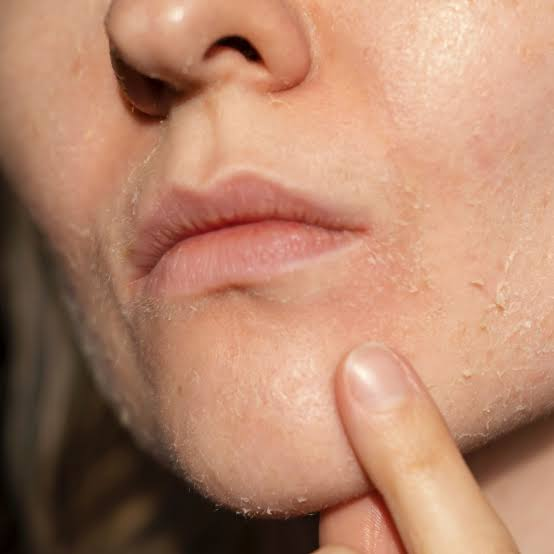
Dehydration can make skin feel dry or less springy. The “pinch test” is sometimes used as a clue in healthcare settings. But drinking extra water won’t reliably cure dry skin or erase wrinkles. Skin dryness has many causes, including weather, soap, skin conditions and sun exposure.
Heart and blood pressure
With less fluid in circulation, blood pressure can fall. That’s why dizziness on standing is a classic symptom. In severe cases, low blood volume can reduce the oxygen reaching tissues. Mayo Clinic describes this as low blood volume causing a drop in blood pressure and a drop in the amount of oxygen in your body, which is one of the complications of serious dehydration. ku
Who Is More Likely to Become Dehydrated?
Some groups need extra attention:
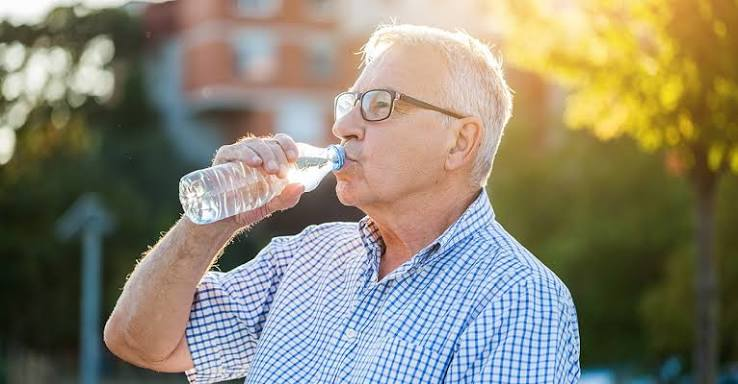
- Older adults. As you age, your body’s fluid reserve becomes smaller, your ability to conserve water is reduced and your thirst sense becomes less acute. Someone can be dehydrated without feeling thirsty. ku
- Babies and young children. They lose fluid quickly during diarrhoea or fever and can’t ask for water themselves.
- People who exercise hard or work outdoors. Construction workers, delivery riders, farmers and athletes sweat heavily, especially in humid heat.
- People with diarrhoea, vomiting or fever. These cause fast fluid loss.
- People with diabetes. Mayo Clinic notes that uncontrolled or untreated diabetes puts you at high risk of dehydration. ku
- People taking certain medicines, such as some diuretics (“water pills”). If you take regular medication, ask a doctor or pharmacist whether it affects your fluid needs.
How Much Fluid Do You Actually Need?
You’ve probably heard “eight glasses a day.” It’s easy to remember, but it isn’t a scientific rule.
The US National Academies set general reference levels based on what healthy, well-hydrated people typically consume. The report found that women who appear to be adequately hydrated consume an average of approximately 2.7 liters of total water, from all beverages and foods, each day, and men average approximately 3.7 liters. Three details matter here: nationalacademies
- This is total water, including water from food, not just what you drink. Mayo Clinic notes that about 20% typically comes from food.
- These figures describe what healthy sedentary people in temperate climates typically take in. They aren’t a prescription.
- There is no specific recommendation for how much water you should drink, and for most healthy people, drinking when thirsty and having drinks with meals is enough, according to MedlinePlus. nih
Needs rise with heat, humidity, exercise, illness, pregnancy and breastfeeding. The report notes that very active individuals who are continually exposed to hot weather often have daily total water needs of six liters or more. In much of India, where summer heat is intense, that’s a realistic consideration for outdoor workers. nationalacademies
Practical Ways to Stay Hydrated
Build drinking into things you already do
Rather than forcing yourself to hit a number, attach fluids to existing habits. A glass of water after waking up. A drink with each meal. A bottle on your desk or in your bag. Small anchors work better than good intentions.
Eat some of your water
Many foods contribute meaningfully to fluid intake:
- Indian options: cucumber, watermelon, muskmelon, oranges, mosambi, tomatoes, curd, chaas (buttermilk), dal, soups and lightly watery sabzis
- Widely available globally: soups, fruit, yoghurt, salads, smoothies, milk
Tea and coffee still count
A common worry is that chai or coffee dehydrates you. The National Academies report found no convincing evidence that caffeine leads to total body water deficits. Very large amounts of caffeine may cause other problems, but a few cups of chai or coffee generally contribute to your fluid intake. Alcohol is different, since it makes the body release water. lsuagcenter
Replace electrolytes when you’ve lost a lot
If you’re sweating heavily or have had diarrhoea, plain water alone may not be ideal. Options include oral rehydration solution (ORS) sachets from a pharmacy, nimbu pani with a little salt and sugar, chaas, or coconut water. Be cautious with sugary soft drinks and energy drinks, which are a poor substitute. For children and older adults with ongoing diarrhoea or vomiting, speak to a doctor rather than managing it alone.
Match your intake to your day
On a cool day at a desk, thirst and meals may be enough. On a hot day, after a workout, or while travelling, you’ll need more. For exercise, one guide suggests not waiting for thirst and taking regular water breaks during long, strenuous outdoor activity, though the right amount varies with the person and the conditions.
Can you drink too much?
Yes, though it’s uncommon in everyday life. Drinking very large amounts in a short time, especially during long endurance events, can dilute blood sodium to unsafe levels. For most people this isn’t a concern, but it’s a good reason to drink to thirst and conditions rather than chasing extreme targets.
What Dehydration Doesn’t Mean
A few common claims need a reality check:
- “If you feel thirsty, you’re already badly dehydrated.” Not exactly. Thirst kicks in at fairly mild levels of fluid loss for most healthy adults. It’s less dependable in older adults and during exercise or heat.
- “Water flushes toxins.” Your kidneys and liver handle waste. Staying hydrated supports kidney function, but water isn’t a detox treatment.
- “Everyone needs 3–4 litres.” Reference figures include food, and individual needs vary a lot.
- “Drinking more water will fix my fatigue and headaches.” It might, if dehydration is the cause. Many other things cause both, so don’t ignore persistent symptoms.

When to Get Medical Help
Mild to moderate dehydration can usually be reversed by drinking fluids. Severe dehydration needs immediate medical treatment. Seek medical care if you or someone you look after has: ku
- Diarrhoea lasting a day or longer
- Inability to keep fluids down
- Confusion, unusual drowsiness or irritability
- Fainting, a very fast heartbeat or very little or no urine
- Black or bloody stools
For babies and young children, watch for no wet nappies for several hours, a sunken soft spot on the head, crying without tears, or unusual listlessness, and get medical help promptly.
FAQs
How long does it take to recover from dehydration?
Mild dehydration often improves within hours of drinking fluids and eating normally. Recovery from illness-related fluid loss can take longer. If you’re not improving, or symptoms are getting worse, see a doctor.
Is it okay to drink a lot of water at once?
Sipping steadily is more comfortable and usually works better than gulping a large amount. For healthy people, an occasional big drink isn’t harmful, but very large volumes in a short time can be unsafe.
Does coconut water or a sports drink hydrate better than water?
Not necessarily. For everyday life, water is enough. After heavy sweating or illness, a drink containing some sodium and carbohydrate, such as ORS or lightly salted nimbu pani, may help your body hold on to fluid. Watch out for added sugar.
Can I be dehydrated without feeling thirsty?
Yes. This is especially common in older adults and can happen during exercise or when you’re busy. Dark urine, headache or dizziness may be clues.
Do I need to drink more in winter?
You may feel less thirsty, but you still lose fluid through breathing, urine and indoor heating. Don’t drop fluids entirely just because it’s cold.
Should people with kidney or heart conditions follow the general advice?
Not necessarily. Some conditions require limiting fluids. If you have one, follow your doctor’s guidance.
Conclusion
Dehydration affects far more than thirst. It can influence your energy, mood, digestion, circulation and kidneys, though the effects of very mild dehydration on thinking are less clear-cut than many headlines suggest.
The practical approach is simple. Drink regularly through the day, get some of your fluid from food, drink more in heat or when you’re ill, and notice early signals like dark urine, headache and dizziness. Treat severe symptoms seriously.
Two small steps to try: keep a water bottle where you can see it, and check your urine colour once or twice a day for a week. It’s a low-effort way to learn what hydration feels like for you.