
Written by Teerth Busa: Health & Fitness Content Writer
Teerth Busa researches exercise, fitness, nutrition, mental well-being, and healthy lifestyle topics using reputable health organizations and scientific sources. His content is written to make health and fitness information simple, practical, and easy to understand.
KEY TAKEAWAYS
- A pre-workout meal is mostly about carbohydrates for energy, a moderate amount of protein, and little fat or fibre close to training.
- Timing matters as much as the food. A full meal needs a couple of hours to settle, while a small snack can work closer to the session.
- Training on an empty stomach is fine for some people and unpleasant for others. It has not been shown to be better for fat loss.
- Familiar, simple foods beat fancy “pre-workout” products. Test anything new on an easy day, not before a hard session.
- This article is general information. People with diabetes, digestive conditions, food allergies or other medical needs should get personal advice.
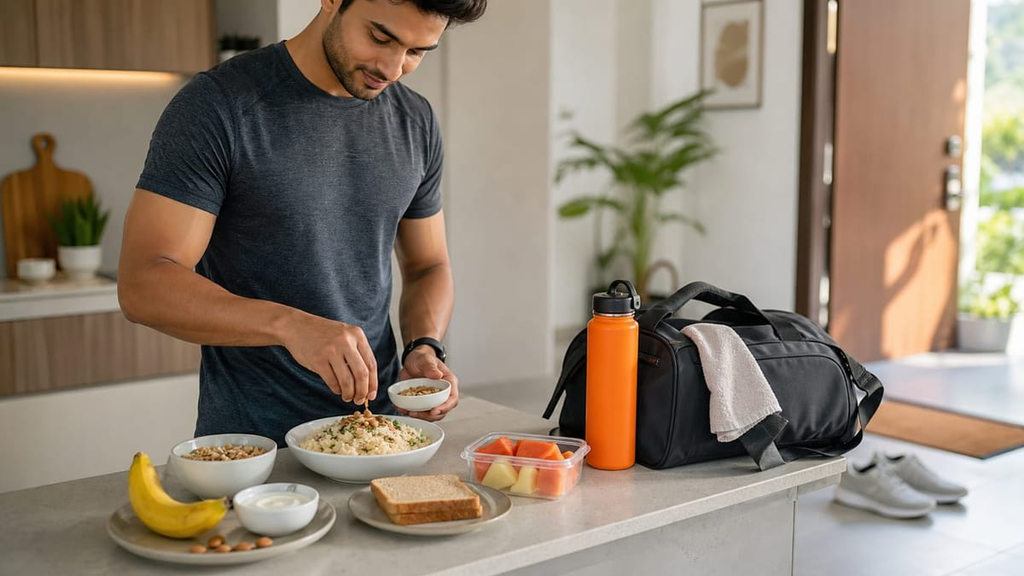
Best Foods to Eat Before a Workout
You’re about to exercise, and you’re wondering whether to eat first. Eat too little and you may feel flat by minute fifteen. Eat too much, or the wrong thing, and you may spend the session dealing with a heavy stomach.
Neither is a sign you’re doing something wrong. It usually just means the food and the timing didn’t suit that particular workout.
The short answer: choose something built mainly on carbohydrates, add a little protein, and keep fat and fibre low if you’ll be exercising within an hour or so. How early you eat and how big the portion is depend on the type of session and on how your own stomach behaves. The rest of this article explains why, with food ideas for different budgets and diets.
Why What You Eat Before Exercise Matters
During a workout, your muscles draw on stored carbohydrate (glycogen) and stored fat. Short, hard efforts such as weight training, sprints or a fast class lean heavily on carbohydrate. Longer, gentler efforts use a greater share of fat, though carbohydrate still plays a part.
Eating beforehand tops up your carbohydrate supply and can help you avoid hunger or light-headedness during the session. A joint position statement from the Academy of Nutrition and Dietetics, Dietitians of Canada and the American College of Sports Medicine says that well-chosen nutrition strategies enhance performance and recovery, and it gives guidance on the type, amount and timing of food, fluids and supplements. That paper is aimed largely at athletes, though, and a beginner doing a 30-minute workout needs far less precision than someone training twice a day. nih
There’s also a limit to how much food matters. Sleep, how hard you train, and your overall diet across the week usually shape your results more than a single snack.
What a Good Pre-Workout Meal Looks Like
Carbohydrates: the main fuel
Carbohydrates are the easiest fuel for your body to use quickly. Bananas, rice, oats, bread, potatoes, poha, idli and dates all fit. Choosing between “good” and “bad” carbs matters less here than choosing ones your stomach tolerates at that moment.
Whole grains are nutritious, but they’re also higher in fibre, which can slow digestion. A bowl of oats two hours before a workout is usually comfortable. The same bowl fifteen minutes before may not be.
Protein: helpful, but secondary
A little protein alongside the carbohydrates is a sensible addition. Curd, milk, eggs, paneer, tofu, a small handful of nuts or a spoon of peanut butter all work. The International Society of Sports Nutrition notes that the size and timing of a pre-exercise meal can affect how much post-exercise protein you need. In practice, this means a decent meal beforehand takes some pressure off what you eat afterwards. nih
Fat and fibre: go easy near the session
Fat and fibre aren’t harmful. They just digest slowly. Deep-fried snacks, a heavy gravy, a big bowl of raw salad or a large portion of rajma or chole shortly before exercise can leave some people bloated or nauseated, especially during running, jumping or intense movement.
Timing: When to Eat
Treat these as starting points rather than rules. People digest at different speeds, and the same food can feel different before a walk than before a hard interval class.
Two to three hours before: This suits a proper meal. Think rice with dal and a little sabzi, a roti with egg or paneer, or a bowl of oats with fruit and milk. You get fuel without the heaviness.
About 30 to 60 minutes before: A small, simple snack is the better choice. A banana, a slice of toast with a little peanut butter, a few dates or a small bowl of curd with fruit are all easy to digest.
Less than 30 minutes before: If you need something, go very small and mostly carbohydrate, such as half a banana or a couple of dates. Skip anything heavy.
The two timing windows above are widely used rules of thumb in sports nutrition. I haven’t confirmed the exact figures against the full position paper, so please verify them before publishing.
Food Ideas by Situation
Indian options
- Banana with a few almonds or a spoon of peanut butter. Cheap, portable and easy to digest.
- Poha or upma with vegetables. Light and familiar, and a good fit for early mornings when eaten about an hour before.
- Idli with a small amount of sambar. Soft and low in fat.
- Besan chilla or moong dal chilla. More protein, better two hours before than ten minutes before.
- Curd with fruit or a little roasted poha. Gentle on the stomach for many people.
- Dates with roasted chana. A handy snack that mixes quick carbohydrate with a little protein.
- Dal-rice or roti with dal. A solid choice a couple of hours ahead of a longer session.
Internationally familiar options
- Oatmeal with fruit
- Toast or a bagel with a thin spread of nut butter or jam
- Yoghurt with berries or a banana
- A fruit smoothie made with milk or a plant-based alternative
- Rice with eggs or tofu
On a tight budget
You don’t need special products. Bananas, rice, roti, poha, oats, eggs, lentils, peanuts and seasonal fruit cover almost everything a beginner needs and cost little.
For vegetarian, vegan or lactose-intolerant readers
Swap curd, milk and paneer for soy yoghurt, soy milk, tofu, roasted chana, sprouts, peanuts or legume-based chillas. If dairy upsets your stomach before exercise, simply leave it out and get your protein later in the day.
What About Working Out on an Empty Stomach?
Many people train before breakfast, either because of time or because eating early feels uncomfortable. A common claim is that fasted exercise burns more fat. It’s true that your body may use proportionally more fat during the session itself. That doesn’t necessarily translate into more fat loss over weeks.
A four-week trial by Schoenfeld and colleagues compared young women doing the same aerobic exercise on a calorie-controlled diet, either fasted or after a meal. Both groups lost weight and fat mass, and the changes were similar. A later systematic review and meta-analysis of overnight-fasted exercise found trivial to small effects on body mass and composition, but the authors cautioned that the number of studies was limited. biomedcentraldoaj
So the honest summary is that fasted training isn’t harmful for most healthy adults, and it isn’t a proven shortcut either. If you feel good exercising without food, there’s no need to force a snack. If you feel shaky, weak or dizzy, eat something small first. It’s also worth knowing that a fasted session may feel harder if you’re doing intense or long exercise.
Don’t Forget Fluids
What you drink counts as much as what you eat. The joint position statement summary notes that dehydration can raise the perceived effort of exercise and reduce performance. Drinking water through the day, and a glass or two in the hours before training, is a simple starting point. In hot, humid weather, or if you sweat heavily, paying closer attention to fluids matters more. myhealthcareer
Common Mistakes
Eating a big meal too close to the session. If you’re often uncomfortable during exercise, try moving your meal earlier or shrinking it before changing anything else.
Trying new foods on a big day. Test unfamiliar foods or drinks on a normal training day first.
Relying on pre-workout supplements. Many contain caffeine or other stimulants, and they aren’t necessary for beginners. Whole foods work well. If you do use a supplement, check the label, and speak to a doctor if you have a heart condition, high blood pressure, anxiety, or are pregnant.
Skipping food all day, then training hard. Under-eating before and around training can leave you tired, irritable and more likely to overeat later.
Expecting one snack to change your results. A banana won’t make you stronger. Consistent training, sleep and regular meals do the heavy lifting.
Who Should Be More Careful
General advice has limits. Some people should get individual guidance from a doctor or a registered dietitian before changing what they eat around exercise:
- People with diabetes, especially those on insulin or other glucose-lowering medicines, because exercise and food timing can affect blood sugar.
- People with acid reflux, irritable bowel syndrome or other digestive conditions.
- People with food allergies or intolerances.
- Pregnant or breastfeeding women.
- Children and teenagers who train regularly.
- Anyone with a history of disordered eating.
Stop exercising and seek medical help if you feel chest pain, severe dizziness, fainting or unusual breathlessness.
Frequently Asked Questions
Is it okay to work out right after eating?
Usually not straight away. After a full meal, most people feel better waiting a couple of hours. After a small snack, a shorter gap is often fine.
Is a banana enough before a workout?
For a short or moderate session, yes, for many people. For longer or harder exercise, you may want something more substantial earlier on.
Should I eat protein before a workout?
A little is a good idea, especially if your meal is a couple of hours ahead. You don’t need a protein shake specifically. Foods such as eggs, curd, milk, paneer, tofu or lentils work.
What should I eat if I train very early in the morning?
Try something small and light, such as half a banana, a few dates, or a small bowl of poha. If even that bothers you, drink water and eat properly afterwards.
Do I need to eat before a short walk or gentle yoga?
Usually not. Light activity rarely requires special fuelling, and you can eat according to normal hunger.
Can I have tea or coffee before exercising?
Many people do, and caffeine is tolerated differently from person to person. If it makes you jittery, causes palpitations or upsets your stomach, skip it.
Conclusion
The best pre-workout food is one that gives you steady energy without bothering your stomach. For most beginners, that means something carbohydrate-based with a little protein, eaten a couple of hours ahead, or a small simple snack closer to the session.
Two easy next steps: pick one or two foods from this list and try them across a few workouts, and pay attention to how you feel. Adjust the timing before you adjust anything else. If you have a medical condition or specific goals, a registered dietitian can fine-tune this for you.