
Written by Teerth Busa: Health & Fitness Content Writer
Teerth Busa researches exercise, fitness, nutrition, mental well-being, and healthy lifestyle topics using reputable health organizations and scientific sources. His content is written to make health and fitness information simple, practical, and easy to understand.
Key takeaways
- A balanced diet is a pattern across days and weeks, not one perfect meal or a list of “good” and “bad” foods.
- It means variety: vegetables, fruits, legumes, whole grains, nuts, and protein sources, with less of the foods high in salt, free sugars and unhealthy fats.
- WHO guidance suggests at least 400 g of fruit and vegetables daily and limits on free sugars and salt. Treat these as general targets, not personal prescriptions.
- It can fit Indian, vegetarian, vegan and non-vegetarian eating, and it doesn’t need to be expensive.
- Health conditions, pregnancy, allergies and medicines can change what is right for you. A qualified professional can personalise advice.
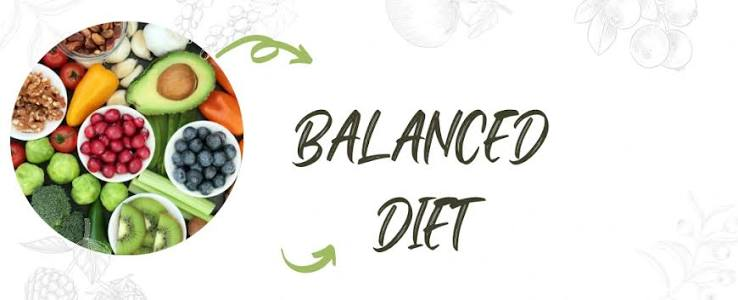
What Is a Balanced Diet? A Simple Guide for Beginners
You open a health app or scroll social media, and one day carbs are the enemy, the next day fat is. Then someone says you must “detox.” It’s easy to end up wondering whether you’re eating wrong.
The truth is less dramatic. A balanced diet is an eating pattern that gives your body the energy and nutrients it needs, from a good variety of foods, in amounts that suit your body and life. This guide explains what that means, shows what a balanced plate can look like with Indian and international foods, and covers common mistakes and when to get personal advice.
What a balanced diet actually means
Your body needs energy (measured in calories) and nutrients: carbohydrates, protein, fats, vitamins, minerals, fibre and water. No single food contains everything in the right amounts, so variety is the core idea.
A balanced diet also means:
- Enough, not too much. Energy in should broadly match your needs, which depend on age, size, activity and health.
- Mostly minimally processed foods. These are foods close to their natural form, like lentils, vegetables, fruit, eggs, curd, nuts and whole grains.
- Limited amounts of certain things. WHO describes a healthy diet as one that includes fruit, vegetables, legumes, nuts and whole grains while limiting foods high in fat, sugar and salt. who
- Flexible and personal. WHO notes that the exact make-up of a balanced diet varies with individual needs, though the basic principles stay the same. who
A balanced diet is not a diet in the “restrictive plan” sense. It isn’t about cutting out a whole food group without a medical reason.
Why it matters
WHO states that a healthy diet helps protect against malnutrition in all its forms, and against noncommunicable diseases such as diabetes, heart disease, stroke and cancer. who
It’s worth being precise about what this means. Diet is one of several factors in long-term health, alongside physical activity, sleep, tobacco and alcohol use, genetics and access to healthcare. Eating well improves your chances of good health but doesn’t guarantee any outcome.
India is a good example of why balance matters. Researchers at ICMR-NIN estimate that about 56.4% of the disease burden in India is linked to unhealthy diets. The country faces both undernutrition and overweight or obesity, so balanced eating is not just about eating less or more. It is about eating better. dailypioneer
The main food groups, in plain language
You don’t need to memorise nutrition science. Think of it as getting these jobs done:
Vegetables and fruits
These supply fibre, vitamins, minerals and plant compounds. WHO suggests at least 400 g (five portions) of fruit and vegetables a day, which helps ensure enough fibre and lowers the risk of noncommunicable diseases. WHO’s definition excludes starchy roots such as potatoes, sweet potatoes and cassava. who
Whole grains and millets
Brown rice, whole wheat roti, oats, ragi, jowar and bajra give energy and fibre. Refined grains aren’t “poison,” but whole or less-refined versions generally provide more fibre and nutrients.
Legumes, pulses and beans
Dal, rajma, chole, moong and soy are staples in many Indian homes. They provide protein, fibre and minerals at low cost. WHO specifically lists legumes among the foods that make up a healthy diet.
Protein foods
Pulses, curd, paneer, milk, eggs, fish, poultry, tofu and nuts all contribute. You can meet protein needs on vegetarian, vegan or non-vegetarian diets if you plan varied choices.
Healthy fats
Nuts, seeds, and moderate amounts of cooking oil provide essential fats. WHO states that industrially produced trans fats are not part of a healthy diet and should be avoided. yamol
Water and other drinks
Water, plain tea, buttermilk and similar drinks are good everyday choices. Sugary drinks are an easy way to add free sugars without feeling full.
What a balanced plate can look like
ICMR-NIN’s “My Plate for the Day” idea promotes dietary diversity. Secondary summaries of the guidelines say it draws on a minimum of eight food groups, with vegetables, fruits, green leafy vegetables, roots and tubers making up roughly half the plate. Another summary reports that guidance of not more than 45% of calories from cereals and millets, and up to 15% from pulses, beans and meat, with the rest from nuts, vegetables, fruit and milk. These figures come from secondary sources, so confirm them against the ICMR-NIN document before publishing (see the checklist). pmfiasvisionias
One point is easy to miss. The guidelines intend these quantities across the whole day, not a single meal. mahabahu
For a beginner, a simple mental picture is enough:
- About half the plate: vegetables, including leafy greens, plus some fruit across the day.
- A good portion: whole grains or millets.
- A portion of protein: dal, beans, curd, paneer, eggs, fish, chicken or tofu.
- A little healthy fat: nuts, seeds, or a measured amount of oil.
Indian Vegetarian Diet
- Breakfast: vegetable poha or besan chilla with curd, and a fruit.
- Lunch: 1–2 rotis (whole wheat or mixed millet), dal, a vegetable sabzi, salad, curd.
- Snack: roasted chana or a handful of nuts, plus tea without much sugar.
- Dinner: vegetable khichdi with a side of sautéed greens, or rajma with rice and salad.
Non-Vegetarian Diet
- Breakfast: eggs with whole-grain toast and tomatoes.
- Lunch: grilled fish or chicken curry, rice or roti, a vegetable dish, dal.
- Snack: fruit and a few almonds.
- Dinner: vegetable soup, a lean protein, and a whole grain.
International and Vegan-Friendly Diet
- Breakfast: oats cooked with milk or fortified plant milk, topped with fruit and seeds.
- Lunch: chickpea and vegetable wrap with a side salad.
- Dinner: tofu stir-fry with mixed vegetables and brown rice.
These are examples, not a prescription. Portion sizes depend on your body, activity level and health.
Limits worth knowing
WHO guidance gives two simple limits:
- Free sugars: keep them below 10% of daily energy, with <5% suggested for extra benefit. WHO defines free sugars as sugars added by manufacturers, cooks or consumers, plus sugars naturally present in honey, syrups, fruit juices and juice concentrates. This doesn’t mean avoiding whole fruit. yamol
- Salt: below 5 g a day (about a teaspoon), preferably iodised. WHO links excess free sugars to dental caries and unhealthy weight gain. who
Practical ways to stay within these limits include reading food labels, choosing fresh over packaged snacks, and going easy on pickles, papads, namkeen, instant noodles and sweetened drinks, which add salt or sugar quickly. ICMR-NIN guidance also advises minimising high-fat, sugar and ultra-processed foods and restricting added salt to a maximum of 5 g per day. newsonair
Beyond food: factors that shape the benefits
Diet works alongside other habits. These support a balanced diet rather than replace it:
- Physical activity. ICMR-NIN guidance advises people to stay physically active and exercise regularly. Food and movement together matter for fitness and weight. newsonair
- Sleep and stress. Poor sleep can change appetite and food choices. The link is real but varies from person to person.
- Eating regularly. Many people find consistent meals help them avoid grabbing whatever is available when very hungry.
- Food safety and storage. Clean preparation matters as much as ingredient choice.
I’ve kept this list short on purpose. These factors are context, not extra “rules.”
Common mistakes and misconceptions
“A balanced diet means cutting carbs.” Carbohydrates are a main energy source. The quality matters: whole grains, millets, pulses and fruit generally beat sweets and refined snacks.
“Healthy food is expensive.” Seasonal vegetables, lentils, beans, eggs, curd, bananas, groundnuts and whole grains are often among the most affordable options.
“Protein powder is necessary.” News coverage of the 2024 guidelines reports that ICMR-NIN advises against relying on protein supplements to build muscle. It also notes no further resistance-training gains in muscle mass above about 1.6 g/kg/day of protein. Most healthy people can aim to meet protein needs through food. Individuals with particular needs should ask a professional. thesouthfirst
“Superfoods fix everything.” No single food protects you on its own. Patterns across weeks and years matter more.
“Detox diets or juice cleanses are needed.” There is no good evidence that you need a detox diet. Your liver and kidneys already handle waste, and extreme cleanses can cause harm.
“One bad meal ruins it.” Balance is judged over time, so a festival meal or party dinner doesn’t undo your eating pattern.
How to start: five realistic steps
- Add before you remove. Put one extra vegetable or fruit into each meal rather than banning foods.
- Swap one thing at a time. Try whole wheat instead of maida, or fruit instead of a sweet snack.
- Make dal, beans or eggs a daily habit for protein and fibre.
- Check labels for sugar, salt and fat when buying packaged food.
- Keep it sustainable. A plan you can follow for months beats a strict one you quit in a week.
Safety and when to seek professional advice
This is general education, not personalised medical advice. Please speak with a doctor or registered dietitian if you:
- have diabetes, kidney disease, heart disease, high blood pressure, thyroid conditions, digestive disorders or other medical conditions
- are pregnant, breastfeeding, planning pregnancy, or feeding an infant or child
- take medicines that interact with food
- have food allergies or intolerances
- follow a vegan or very restrictive diet and want to check you’re meeting needs (some nutrients, such as vitamin B12, are commonly discussed for plant-based diets)
- have symptoms such as unexplained weight loss, ongoing fatigue, or concerns about disordered eating
If you feel anxious or guilty about food, or find yourself restricting heavily, reaching out to a healthcare professional is a good step.
Frequently asked questions
Is a balanced diet the same as eating “clean”?
No. “Clean eating” has no standard definition and can lead to unnecessary food rules. A balanced diet is about variety, adequacy and moderation, and it includes occasional treats.
Do I need to count calories?
Not necessarily. Many beginners do well focusing on food quality, regular meals and portions first. Some people have specific goals or health conditions where tracking helps, and a professional can guide that.
Can a vegetarian or vegan diet be balanced?
Yes, if it’s well planned with legumes, whole grains, vegetables, nuts, seeds and, where applicable, dairy. Vegans in particular should ask a professional about nutrients that need attention, such as vitamin B12.
How much fruit and vegetables should I eat?
WHO suggests at least 400 g (about five portions) a day, not counting starchy roots like potatoes. Even moving toward that target is an improvement if you’re far below it.
Is fruit juice as good as whole fruit?
Whole fruit is generally the better choice. WHO counts sugars in fruit juice as free sugars, and whole fruit provides more fibre.
Do I need supplements?
Most people don’t need them by default. Certain groups, such as pregnant women, some older adults, and people with diagnosed deficiencies, may. A doctor or dietitian can advise based on tests and your situation.
Conclusion
A balanced diet isn’t about perfection or strict rules. It’s about eating a variety of mostly minimally processed foods, including vegetables, fruit, legumes, whole grains and a sensible protein source, while keeping salt, free sugars and unhealthy fats in check. Indian staples like dal, sabzi, roti, curd and seasonal fruit already fit this pattern well.
Start with one small step this week, such as adding a vegetable to lunch or swapping a sugary drink for water. If you have a medical condition or special circumstances, a professional can help tailor the details.