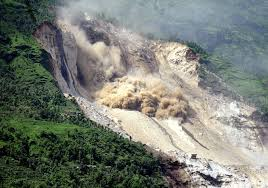
Landslides: Causes, Effects, and Prevention Measures
Introduction
Landslides are one of the most dangerous natural disasters, especially in hilly and mountainous regions. They occur when large masses of rock, soil, or debris move rapidly down a slope due to gravity. Landslides can happen suddenly, often without warning, and can cause massive destruction to life, property, and the environment. Understanding landslides is essential for disaster preparedness and risk reduction.

What Is a Landslide?
A landslide is the downward movement of soil, rocks, or debris along a slope. This movement can be slow or extremely fast, depending on the amount of material involved and the triggering factors. Landslides are commonly triggered by natural events such as heavy rainfall and earthquakes, as well as human activities like deforestation and construction.

Main Causes of Landslides
Heavy Rainfall
Prolonged or intense rainfall is one of the leading causes of landslides. Excess water weakens the soil, reducing its stability and causing it to slide downhill.
Earthquakes
Earthquakes shake the ground, loosening rocks and soil on slopes, which can trigger sudden landslides.
Volcanic Activity
Volcanic eruptions can cause landslides due to lava flows, ash deposits, and seismic vibrations.
Human Activities
Deforestation, mining, road construction, and unplanned urban development disturb natural slopes, increasing the risk of landslides.

Types of Landslides
-
Rockfall – Sudden falling of rocks from steep cliffs.
-
Debris Flow – Fast-moving mixture of soil, water, and rocks.
-
Mudslide – Landslide involving wet, fine-grained soil.
-
Slump – Slow downward movement of soil along a curved surface.
-
Earthflow – Gradual flow of fine soil materials.

Effects of Landslides
Landslides can cause severe damage, including:
-
Loss of human lives and injuries
-
Destruction of houses, roads, and bridges
-
Disruption of transportation and communication
-
Damage to agricultural land
-
River blockage leading to floods
-
Long-term environmental degradation

Major Landslide Disasters
Some notable landslide disasters include:
-
2014 Malin Landslide (India) – Caused by heavy rainfall, resulting in significant loss of life.
-
2013 Kedarnath Landslides (India) – Triggered by cloudbursts and floods in Uttarakhand.
-
1999 Vargas Tragedy (Venezuela) – Massive landslides following heavy rains.

Prevention and Mitigation Measures
While landslides cannot be completely prevented, their impact can be reduced through:
-
Afforestation and vegetation cover
-
Proper drainage systems
-
Controlled construction in hilly areas
-
Monitoring slope stability
-
Early warning systems and disaster awareness

Safety Measures During a Landslide
To stay safe during a landslide:
-
Move away from the landslide path immediately
-
Avoid river valleys and steep slopes during heavy rain
-
Listen to weather alerts and warnings
-
Do not return until authorities declare the area safe

Conclusion
Landslides are powerful natural hazards that pose serious risks to lives and infrastructure. With increasing deforestation and climate change, landslide incidents are becoming more frequent. Awareness, sustainable development, and effective land-use planning are essential to minimize landslide risks and protect vulnerable communities.