Saving the Aravalli Hills: Why Protecting India’s Oldest Mountain Range Is Crucial
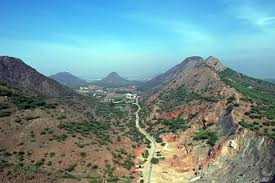
The Aravalli Hills, one of the oldest mountain ranges in the world, stretch across Gujarat, Rajasthan, Haryana, and Delhi. These ancient hills are more than just rocky landscapes—they are a natural shield against desertification, a guardian of biodiversity, and a lifeline for groundwater recharge in northern India. However, rapid urbanization, illegal mining, and deforestation have pushed the Aravallis to the brink of irreversible damage. Saving the Aravalli Hills is not just an environmental necessity but a national responsibility.

Importance of the Aravalli Hills
1. Natural Barrier Against Desert Expansion
The Aravalli range plays a vital role in blocking the spread of the Thar Desert toward fertile regions of northern India. By regulating wind patterns and trapping moisture, these hills help maintain ecological balance.
2. Groundwater Recharge and Climate Regulation
The porous rocks of the Aravallis allow rainwater to seep underground, making them a critical groundwater recharge zone. Cities like Delhi, Gurugram, Jaipur, and Alwar depend heavily on this natural water storage system. The hills also help reduce extreme temperatures and combat the urban heat island effect.
3. Rich Biodiversity Hotspot
Despite appearing barren, the Aravalli Hills support diverse flora and fauna, including leopards, hyenas, nilgai, and hundreds of bird species. Native trees such as dhok, babul, and neem help stabilize soil and prevent erosion.

Major Threats to the Aravalli Hills
Illegal Mining and Quarrying
Unregulated mining for stone and minerals has caused large-scale destruction, leaving behind deep scars and depleted ecosystems.

Rapid Urbanization
Expanding cities, highways, and real estate projects have encroached upon protected forest land, disrupting natural drainage systems.
Deforestation and Land Degradation
Tree cutting for fuel, agriculture, and construction has weakened the Aravalli ecosystem, increasing soil erosion and reducing wildlife habitats.
Weak Enforcement of Environmental Laws
Despite several court rulings and regulations, poor implementation has allowed continued exploitation of the hills.
Why Saving the Aravalli Hills Matters Today
-
Prevents water scarcity in North India
-
Reduces air pollution and dust storms
-
Protects wildlife and forest ecosystems
-
Helps combat climate change and global warming
-
Preserves India’s natural heritage for future generations
Ignoring the destruction of the Aravallis could lead to severe water crises, rising temperatures, and ecological collapse in nearby regions.

Steps to Save the Aravalli Hills
Stronger Legal Protection
Declaring the Aravalli range as an eco-sensitive zone and strictly enforcing mining bans is essential.
Large-Scale Afforestation
Planting native species and restoring degraded forest land can revive the natural ecosystem.
Sustainable Urban Planning
Development projects must follow environmental impact assessments and respect natural boundaries.

Community Participation
Local communities should be actively involved in conservation efforts through awareness programs and eco-friendly livelihoods.

Government and Citizen Action
Public interest litigation, environmental activism, and responsible governance can collectively ensure long-term protection.

Conclusion
Saving the Aravalli Hills is a fight against environmental neglect and unsustainable development. These ancient mountains are silent protectors of water, climate, and life in northern India. If immediate action is not taken, the damage may soon become irreversible. Protecting the Aravallis today means securing a healthier, greener, and more sustainable future for generations to come.