
Written by Teerth Busa: Health & Fitness Content Writer
Teerth Busa researches exercise, fitness, nutrition, mental well-being, and healthy lifestyle topics using reputable health organizations and scientific sources. His content is written to make health and fitness information simple, practical, and easy to understand.
Key takeaways
- Seven days won’t transform your health, but it’s a good way to start habits you can keep.
- This challenge adds one small habit per day and keeps the earlier ones going.
- Research on habit formation suggests that making a behaviour automatic often takes weeks to months, not one week.
- Missing a day isn’t failure. Return to the plan the next day.
- Anyone with a medical condition, pregnancy or a past injury should check with a doctor before changing their activity or eating.
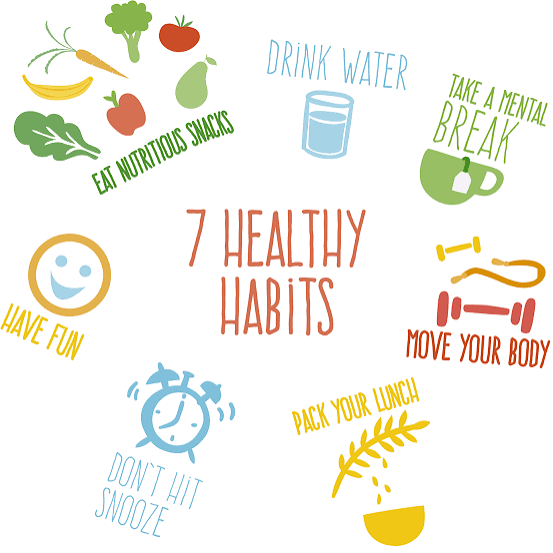
The 7-Day Healthy Habits Challenge for Beginners
Most people don’t fail at getting healthier because they lack information. They fail because the plan is too big. A new gym membership, a strict diet and a 5 a.m. alarm all begin on the same Monday, and by Thursday it has fallen apart.
This challenge works the other way round. Over seven days you add one small action each day. Each one takes ten minutes or less, needs no equipment and costs almost nothing. By Day 7 you’ll have a short routine you can adjust to your own life.
A direct answer to the question you probably searched: yes, a week is enough to start healthy habits. It isn’t enough to make them permanent. We’ll explain why later, and why that’s fine.
How the challenge works
You’ll do one new thing each day and keep doing the earlier ones if you can. If one doesn’t suit you, skip it and move on. A habit you resent won’t last.
Some ground rules:
- Pick a daily “anchor,” something you already do without thinking, like brushing your teeth or making tea. Attach each new habit to it.
- Keep every action small enough that you can do it on your worst day.
- Don’t aim for perfection. Aim for doing the thing most days.
A note on safety: the activities here are gentle. If you have a heart condition, diabetes, high blood pressure, joint problems or are pregnant, or if you take regular medication, talk to a doctor before changing your routine. This is general information, not personal medical advice.
Day 1: Fix your wake-up time and drink water early
Start with something almost too easy. Choose a wake-up time you can keep every day this week, including the weekend, and drink a glass of water soon after you get up.
A steady wake-up time is the first step toward a steady sleep schedule. The water habit is mostly a prompt. There’s no magic in the first glass of the day, and no need to chase a fixed number of litres. Your needs depend on your climate, body size and activity. Pale-yellow urine and not feeling thirsty are rough everyday guides for most healthy people.
Example: if you wake at 6:30, keep a bottle by your bed so there’s no excuse.
Day 2: Walk for ten minutes after a meal
Walking is the easiest exercise to begin with, and it doesn’t need a gym or special clothes. The World Health Organization recommends that adults aged 18–64 do at least 150 minutes of moderate-intensity activity a week, and says some activity is better than none. If you’re inactive, it advises starting small and building up gradually.
Ten minutes after lunch or dinner is a realistic start. It adds up to 70 minutes a week before you’ve done anything more.
If the weather is hot or the roads are busy, walk inside your home, climb a few flights of stairs, or walk around while on a phone call. Brisk means you can still talk but couldn’t sing.
Day 3: Add one plant food to a meal you already eat
Don’t rebuild your diet. Add one vegetable or fruit to a meal you already eat. This is easier to keep up than a long list of foods to avoid.
Some ideas for Indian and international kitchens:
- A cucumber-tomato salad beside your thali, or grated carrot in your paratha filling
- Dal with a handful of spinach or other greens stirred in
- A banana or seasonal fruit with your oats or cereal
- Frozen vegetables in a stir-fry, if fresh produce is expensive or hard to find
Frozen and canned vegetables are fine choices when they’re what you can afford. The goal is more variety, not a perfect plate.
Day 4: Set a screen cut-off before bed
Sleep affects mood, appetite and energy, so it’s worth some attention. Major sleep societies advise that most adults need seven or more hours a night.
Today’s habit is modest: pick a time, say 30 minutes before bed, when you put the phone down and dim the lights. Read, stretch, or talk to someone instead.
This won’t suit everyone. A parent with a newborn or someone on night shifts can’t control their sleep like this. If that’s you, aim for something smaller, like keeping the bedroom dark and quiet when you do sleep. Long-lasting sleep trouble, loud snoring with daytime sleepiness, or insomnia that disrupts your life deserves a conversation with a doctor.
Day 5: Try five minutes of simple strength work
WHO guidance also recommends muscle-strengthening activity on two or more days a week for adults. You don’t need weights to begin.
Do one round of these, resting between each:
- Sit down and stand up from a sturdy chair, 8–10 times
- Wall push-ups, 8–10 times
- A slow bridge: lie on your back, knees bent, and lift your hips, 8 times
- Hold a plank on your knees for 10–20 seconds
Move slowly and stop if you feel sharp pain. Mild muscle tiredness is normal. Pain in a joint isn’t. As you get used to it, add a second round before you add anything harder.
Day 6: Plan tomorrow’s meals, simply
People often eat badly because they’re hungry and nothing is ready, not because they don’t know better. Today, spend five minutes deciding what you’ll eat tomorrow.
A basic plan for most people:
- Breakfast: something with protein, such as eggs, curd, besan chilla, paneer or sprouts
- Lunch: a mix of grains or millets, dal or another protein, and vegetables
- Snack: fruit, roasted chana, nuts or a glass of buttermilk
- Dinner: something lighter, if that suits your routine
Vegetarian, vegan, non-vegetarian, or following religious fasting: adjust it to your own pattern. If you have diabetes, kidney disease, food allergies or a medical diet, follow your doctor’s or dietitian’s advice instead.
India’s national dietary guidelines (ICMR-NIN) are a useful local reference for balanced eating. Check the current edition before relying on specific numbers.
Day 7: Review and keep the three habits that fit
On the last day, stop adding things. Sit down and review the week:
- Which habits were easy? Which did you drop?
- Which three would you be happy to keep for the next month?
- What got in the way? Time, tiredness, weather, other people?
Pick three habits and write them down with a trigger: “After I brush my teeth, I drink water,” “After dinner, I walk for ten minutes.” Drop the rest without guilt. You can bring them back later.
What to expect after seven days
A week is a start, not a finish. A well-known study of 96 volunteers at University College London found that building a new habit took anywhere from 18 to 254 days, with a median of about 66 days. It also found that missing a single day didn’t seriously harm the process. (Verify these figures against the original paper before publishing.)
So don’t expect big visible changes after a week. You may notice more energy, easier mornings, or just a sense of having begun. Those are good outcomes. Weight loss, better fitness and improved blood tests, if they come, take weeks to months and vary from person to person.
Common mistakes and how to avoid them
Doing too much too soon. Ten minutes you’ll repeat beats an hour you’ll abandon.
Treating a missed day as failure. If you skip a day, just resume. “I’ll restart Monday” is what actually stalls people.
Copying someone else’s routine. A friend’s 5 a.m. run may not suit your job, family or body. Adjust the plan to your life.
Chasing perfection with food. One festival meal or a sweet won’t undo your week. Rigid rules often backfire, and strict restriction can be harmful, especially for anyone with a history of disordered eating. If food is a source of distress for you, talk to a health professional.
Ignoring warning signs. Chest pain, dizziness, fainting, unusual breathlessness or severe pain during activity means stop and seek medical help.
Who should be extra careful
This general plan is gentle, but some people need personal guidance first:
- People with heart disease, high blood pressure, diabetes, kidney problems or asthma
- Anyone who is pregnant or recently gave birth
- People recovering from injury or surgery
- Anyone on regular medication
- Adults over 65 who have been inactive for a long time
A doctor or qualified professional can tell you what’s safe and which adjustments make sense.
Frequently asked questions
Can I do the challenge in a different order?
Yes. The order is only a suggestion. If sleep is your biggest problem, start with Day 4. What matters is adding one habit at a time.
What if I miss a day?
Do the next day’s habit and carry on. The research above suggests an occasional miss doesn’t ruin the process. Repeated misses are a signal to make the habits smaller.
Is a 10-minute walk really enough?
It’s enough to begin. WHO’s adult target is 150 minutes a week or more, so ten minutes a day is a start, not the destination. Build up gradually once it feels easy.
Do I need to drink a specific amount of water?
There’s no single figure for everyone. Needs change with heat, activity, body size and health conditions. Drink when thirsty, and check with a doctor if you have kidney, heart or other conditions that affect fluids.
Will this help me lose weight?
Possibly over time, but a one-week challenge isn’t a weight-loss plan. Its purpose is to build routines. If weight loss is your goal, speak with a doctor or registered dietitian for a plan that suits you.
What should I do after the seven days?
Keep your three chosen habits for a month. Then add one new one, such as longer walks, a second strength session or an earlier bedtime.
Conclusion
You don’t need a dramatic overhaul to build healthy habits. Small actions tied to things you already do, repeated on most days, are more reliable than a perfect plan you drop by Friday. This week is a trial: see what fits your life, keep three things, and let the rest go.
For your next step, choose your three habits and write them down with their triggers. Then, if you like, add one small thing next week.