
Written by Vardan Patel
Co-Creator & Health and Fitness Content Creator at FitHub 365
Vardan combines his personal experience with exercise and healthy lifestyle habits with research from reputable health organizations and scientific sources to create practical, beginner-friendly health and fitness content.
Key Takeaways
- Preventive healthcare covers three things: lowering your risk of disease, catching problems early, and managing existing conditions so they don’t get worse.
- Many of the biggest health threats develop quietly. High blood pressure often causes no symptoms at all, so a simple measurement can reveal what you can’t feel.
- Small, repeatable habits such as regular movement, less salt and not smoking matter more than occasional dramatic efforts.
- More tests aren’t automatically better. The right checks at the right age, chosen with a doctor, work better than a random “full body package.”
- Prevention reduces risk. It doesn’t guarantee that you’ll never get sick.
The Power of Preventive Healthcare: What It Is and How to Start
Most of us see a doctor when something hurts. A fever, a bad back, a cough that won’t go away. That is reactive care. You wait for a problem, then deal with it.
Preventive healthcare flips the order. It asks what you can do now, while you feel fine, to lower the chance of serious illness later, and how you can spot trouble early if it does start. The short answer is regular movement, sensible eating, avoiding tobacco, getting recommended vaccines and screenings, and keeping an eye on a few numbers like blood pressure.
This article explains what preventive healthcare means in practice, why it matters, and how to start without spending a lot or turning your life upside down. It’s written for beginners, with examples from Indian kitchens and routines alongside options that work anywhere.

What preventive healthcare actually means
Doctors usually describe prevention at three levels.
Primary prevention stops illness before it begins. Vaccination, not smoking, staying active and eating a balanced diet all belong here.
Secondary prevention finds disease early, often before symptoms show. Checking blood pressure, testing blood sugar or screening for certain cancers are examples. The aim is to catch a problem when it’s easier to manage.
Tertiary prevention applies to people who already have a condition. It focuses on keeping it controlled and preventing complications, such as a person with diabetes protecting their eyes, kidneys and feet.
You don’t need to memorise these labels. The point is that prevention isn’t only for healthy people. It continues at every stage of life.
Why this matters more than ever
The diseases that most often shorten lives today are mostly long-term conditions rather than sudden infections. WHO reporting describes noncommunicable diseases, mainly heart disease and stroke, cancer, diabetes and chronic lung disease, as causing about 74 per cent of all deaths worldwide. In India, WHO data put the share at roughly 66 per cent of all deaths in 2019. downtoearthdowntoearth
These conditions usually build slowly over years, and many are influenced by everyday factors like physical activity, diet, tobacco and blood pressure. That’s what makes them partly preventable. It doesn’t make them entirely preventable. Genetics, age and circumstances also play a part, and someone who does everything right can still become ill. Prevention shifts the odds. It doesn’t write the ending.

The silent problem: why you can’t rely on symptoms
Waiting to “feel unwell” is a weak safety net, because several serious conditions give no warning for a long time.
High blood pressure is the clearest example. WHO estimates that 1.4 billion adults aged 30–79 worldwide had hypertension in 2024, about a third of that age group. Most people with it feel no symptoms. Left uncontrolled, it can damage the arteries that supply the brain and kidneys, and it raises the risk of stroke. WHO’s 2025 report adds that fewer than 1 in 5 of those affected, around 320 million people, had it adequately controlled. Earlier WHO figures suggested about 46% of adults with hypertension don’t know they have it. WHO/Yoshi Shimizu +3
Think of someone in their late thirties with a desk job, an irregular sleep schedule and a family tendency toward heart problems. They feel fine. This is a hypothetical illustration, not a real case. A ten-minute blood pressure check at a nearby clinic or pharmacy might be the only way they’d learn their pressure is high. That’s what prevention does best: it makes the invisible visible while there’s still time to act.
Everyday habits that carry the most weight
You can spend a fortune on wellness products. The evidence behind the basics is far stronger.
Move regularly, and start smaller than you think
WHO’s guidelines advise adults to do at least 150–300 minutes of moderate-intensity aerobic activity a week, or 75–150 minutes of vigorous activity, or an equivalent mix. The same guidance says that if you’re not meeting that level, some activity still benefits your health, and you should start small and build up gradually. nihnih
Moderate intensity means your breathing quickens but you can still talk. A brisk walk does it. So does cycling to the market, dancing, or taking the stairs consistently. WHO also recommends muscle-strengthening work on at least two days a week, which can mean bodyweight squats, resistance bands or carrying groceries with purpose.
If 150 minutes sounds like a mountain, think of it as roughly 20 to 25 minutes a day. A 10-minute walk after lunch and another after dinner gets you most of the way there. People with heart conditions, joint problems, pregnancy or other medical concerns should check with a doctor first about what’s suitable.

Eat in patterns, not “superfoods”
No single food protects your health on its own. What counts is the overall pattern across weeks and months. A practical approach is to fill more of your plate with foods that are minimally processed.
- Pulses and legumes: dal, rajma, chickpeas, sprouts. They’re affordable and filling.
- Vegetables and fruit: seasonal and local is usually cheapest and freshest.
- Whole grains: whole wheat roti, brown rice, millets such as ragi or jowar, oats.
- Dairy or alternatives: curd or buttermilk if they suit you. Fortified plant options are fine for those who avoid dairy.
- Nuts and seeds: a small handful rather than large quantities.
If you don’t follow an Indian diet, the same logic applies with beans, lentils, whole grain bread, vegetables and yoghurt. Vegetarian, vegan and non-vegetarian patterns can all work. What matters is variety and fewer ultra-processed snacks and sugary drinks.
Salt deserves a separate mention. WHO recommends staying under 5 grams of salt (under 2,000 mg sodium) a day, a little less than a teaspoon. In many homes much of the salt comes from pickles, papad, namkeen, instant noodles and packaged snacks, as well as the cooking itself. Reading labels and using more lemon, herbs and spices for flavour are easy places to start. theprint

Avoid tobacco and limit alcohol
Smoking and chewing tobacco are among the most avoidable causes of serious illness. If you use tobacco in any form, quitting is one of the most valuable things you can do for your health at any age, and support exists through doctors, quitlines and national tobacco-control services. For alcohol, less is generally safer, and some people shouldn’t drink at all, for example those on certain medications or with liver conditions.

Protect your sleep and manage stress
Sleep and stress don’t have a single prevention “dose,” but long-term sleep deprivation and chronic stress are linked with worse health outcomes in many studies. The links are mostly observational, which means they show association rather than proof of cause. Regular sleep and wake times, a darker and quieter room, and a break from screens before bed are reasonable, low-cost steps. If low mood, anxiety or poor sleep are persistent, speak to a doctor or mental health professional rather than trying to manage alone.
Checkups, screenings and vaccines: what’s worth it
This is where preventive healthcare becomes most personal, and where good advice depends on age, sex, family history and local guidelines.
Common checks many adults discuss with a doctor
- Blood pressure. Quick, cheap and informative. Many guidelines suggest checking at least occasionally even if you feel well, and more often if readings run high or you have risk factors.
- Blood sugar. Particularly relevant if you have a family history of diabetes, carry extra weight around the waist, or are physically inactive.
- Cholesterol and lipids. Helpful for assessing heart risk, especially with family history or other risk factors.
- Cancer screening. Recommendations differ by country and by individual. In many places this includes cervical screening for women and breast and colorectal screening at certain ages. Ask your doctor what’s advised for you.
- Eyes, teeth and hearing. Easy to overlook, and often detected late.
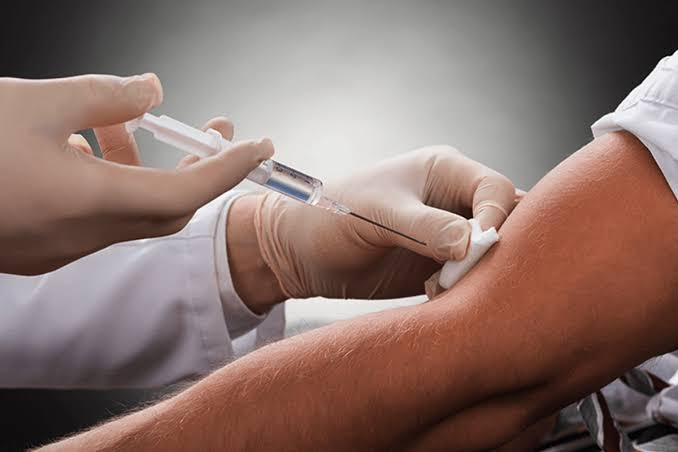
Vaccination
Vaccines are one of the best-established forms of prevention. Schedules vary by country and age, and adults sometimes assume vaccination is only for children. Ask your doctor which vaccines are recommended for you, including seasonal flu, tetanus boosters and others relevant to your age, health or travel plans.

Why “more tests” isn’t always better
It’s tempting to buy an expensive full-body checkup package once a year. But tests aren’t free of downsides. A test can flag something harmless that leads to worry, repeat testing or unnecessary procedures. Screening tests are designed for particular groups at particular ages. A more useful approach is to ask your doctor: Given my age, family history and lifestyle, which checks make sense for me, and how often? India’s government health services run programmes for noncommunicable disease screening, including the National Programme for Noncommunicable Diseases and the National Tobacco Control Programme, so it’s worth asking at your nearest public health centre what’s available. downtoearth
Prevention on a budget
Preventive healthcare isn’t only for people with disposable income. Some of the most effective steps cost little or nothing.
- Walk daily. No gym needed.
- Cook at home more often, using seasonal vegetables and pulses.
- Measure your blood pressure at a local clinic or pharmacy.
- Use public or subsidised screening services where available.
- Choose water over sugary drinks.
- Keep your vaccination records in one place, such as a photo on your phone.
Cost, time, distance and family responsibilities are real barriers. If you can only manage one change this month, pick the one that fits your life. A habit you keep up is worth more than a perfect plan you drop in two weeks.
What prevention can’t do
A few honest limits are worth stating.
It doesn’t guarantee you’ll stay well. Prevention lowers risk. It doesn’t remove it. Some illnesses happen despite healthy habits, and that’s not a personal failure.
One habit can’t fix everything. Walking is excellent, but it doesn’t cancel out heavy smoking. Eating dal doesn’t replace a blood pressure check.
Supplements aren’t a shortcut. Most healthy people who eat a reasonably varied diet don’t need a cupboard full of them. Some people do need specific supplements because of a deficiency, pregnancy or a medical condition, and that decision should come from a doctor and, where needed, a blood test.
Online advice can’t replace personal care. This article is general education. It can’t account for your medical history, medications or family background.
When to see a doctor
Don’t wait for your next routine checkup if you notice chest pain or pressure, sudden breathlessness, sudden weakness or numbness on one side, difficulty speaking, unexplained weight loss, a lump that doesn’t go away, blood in stool or urine, or persistent changes in your usual health. These need prompt medical attention. In an emergency, go to the nearest hospital or call your local emergency number.
Also speak to a doctor sooner if you have a strong family history of heart disease, diabetes or certain cancers, if you’re pregnant, or if you take regular medication. Your checkup schedule may need to be different.
A realistic way to begin
If this feels like a lot, narrow it down.
- This week: Get your blood pressure checked and note the number somewhere you’ll find it.
- This month: Add a 10-minute walk after one meal each day. Swap one packaged snack for fruit, roasted chana or nuts.
- This season: Book a conversation with a doctor about which screenings and vaccines suit your age and family history.
None of this needs to be perfect. It needs to be repeatable.
Frequently Asked Questions
What is the main goal of preventive healthcare?
To reduce the chance of illness and to find problems early, when they’re often easier to treat. It also includes managing existing conditions to avoid complications.
At what age should I start thinking about prevention?
Now, whatever your age. Habits formed in childhood and early adulthood carry forward, and screening needs usually become more specific from adulthood onwards. Your doctor can tell you what applies at your stage.
How often should I get a health checkup?
There’s no single schedule for everyone. It depends on age, family history, existing conditions and risk factors. Ask your doctor what frequency makes sense for you instead of assuming a yearly full-body package is necessary.
Is preventive healthcare expensive?
It can be, but it doesn’t have to be. Walking, cooking at home, quitting tobacco and basic checks like blood pressure cost little. Public health services may also offer screening or vaccines at low or no cost.
Can I prevent diseases that run in my family?
You can’t change your genes, but you can often lower risk through lifestyle and earlier or more frequent screening. Tell your doctor about your family history so they can advise accordingly.
Do I need supplements for prevention?
Most healthy people who eat a varied diet don’t need them. If you suspect a deficiency, get advice and testing instead of guessing.
Conclusion
Preventive healthcare is less about dramatic gestures and more about quiet consistency: moving most days, eating mostly real food, avoiding tobacco, keeping an eye on a few key numbers and showing up for the screenings and vaccines that suit you. It can’t promise perfect health, but it improves your chances and gives problems a better chance of being found early.
Start with one step. Check your blood pressure this week, and talk to a doctor about which checks fit your age and family history. Everything else can build from there.