
Written by Teerth Busa: Health & Fitness Content Writer
Teerth Busa researches exercise, fitness, nutrition, mental well-being, and healthy lifestyle topics using reputable health organizations and scientific sources. His content is written to make health and fitness information simple, practical, and easy to understand.
Key Takeaways
- Eye exercises, herbal drops and “natural” methods cannot reverse common focusing problems such as short-sightedness. Glasses, contact lenses or surgery correct them.
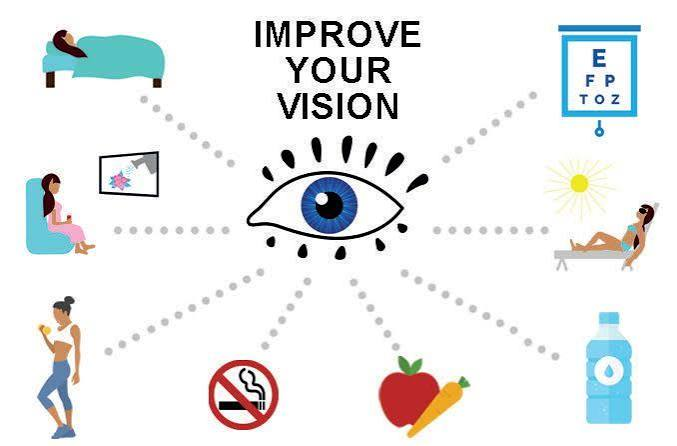
- You can protect the vision you have through eye exams, UV protection, not smoking, good blood sugar and blood pressure control, and sensible screen habits.
- A balanced diet supports eye health, but no single food, including carrots, sharpens eyesight.
- Children benefit from time outdoors, which is linked to a lower risk of developing short-sightedness.
- Sudden vision changes, flashes of light, or eye pain need prompt medical attention.
How to Improve Eyesight: What Actually Helps, and What Doesn’t
You squint at a road sign, hold your phone a little closer than you used to, or finish a workday with tired, burning eyes. Sooner or later you wonder whether there’s something you can do about it.
The honest answer has two parts. Some vision problems can be corrected right away, though not through exercises or home remedies. Other aspects of eye health can be protected over many years through everyday habits. Understanding which is which saves you time, money and false hope.
First, What “Poor Eyesight” Usually Means
Most everyday blurry vision comes from refractive errors. This means the eye bends light slightly incorrectly, so the image doesn’t land sharply on the retina at the back of the eye. The main types are:
- Myopia (short-sightedness): distant things look blurry.
- Hyperopia (long-sightedness): near things, and sometimes distant ones, can be hard to focus on.
- Astigmatism: vision is blurred or distorted at all distances because of the shape of the cornea or lens.
- Presbyopia: the age-related difficulty with reading up close, which usually starts in the early to mid-40s.
These are shape and focusing issues, not a matter of weak eye “muscles” that can be trained. That’s why the most effective way to improve eyesight in the practical sense is a proper eye test and the right correction. According to the World Health Organization’s World Report on Vision, at least 1 billion people worldwide have vision impairment that could have been prevented or hasn’t yet been addressed. Many of them simply don’t have the glasses they need.
If you haven’t had your eyes tested in the last couple of years, that single step will likely do more than anything else in this article.
Do Eye Exercises Work?
Mostly, no. Major eye-care bodies, including the American Academy of Ophthalmology, say there’s no good evidence that eye exercises improve refractive errors or reduce the need for glasses. The same applies to the Bates method, which claims that relaxing the eyes or staring at the sun can restore normal sight. Looking at the sun can cause permanent damage.
There is one real exception. Supervised vision therapy can help certain conditions in which the eyes struggle to work together, such as convergence insufficiency. A large trial in children found that office-based therapy supervised by a professional worked better than home-based pencil push-ups. That’s treatment for a specific diagnosed condition, not a way to throw away your glasses.
Simple eye movements and focus-shifting can still ease the tired feeling after long screen sessions. Just don’t expect them to change your prescription.
Looking After Screen-Tired Eyes
Long screen use doesn’t appear to cause permanent eye damage in adults. It does cause digital eye strain: dryness, burning, headaches and temporary blur. The reason is partly that we blink much less when concentrating on a screen, so the eye’s surface dries out.
What tends to help:
- Take short breaks. The common 20-20-20 habit (every 20 minutes, look at something about 20 feet or 6 metres away for 20 seconds) is widely recommended. Evidence for the exact numbers is limited, but breaks in general make sense.
- Blink on purpose. Slow, full blinks help spread tears across the eye.
- Adjust your setup. Place the screen slightly below eye level at roughly arm’s length, reduce glare, and match screen brightness to the room.
- Use lubricating drops if your eyes feel dry. Preservative-free options are usually gentler for frequent use. Ask a pharmacist or eye doctor if you’re unsure.
- Get your prescription checked. An outdated or slightly wrong prescription is a common hidden cause of eye strain.
You may have heard that blue-light glasses solve this. A 2023 Cochrane review found no clear benefit for reducing eye strain, so they’re not worth buying for that purpose.
Protecting Your Eyes in Daily Life
Sunglasses and UV protection
Long-term ultraviolet exposure is linked to cataracts and other eye problems. Choose sunglasses that block 99–100% of UVA and UVB rays (look for “UV400” on the label). Darker lenses without UV protection are worse than none, because they make pupils widen and let in more UV. A wide-brimmed cap adds protection.
Smoking
Smoking increases the risk of cataracts and age-related macular degeneration, a leading cause of vision loss in older adults. Quitting is one of the most meaningful steps for eye health.
Diabetes and blood pressure
Diabetes can damage the tiny blood vessels in the retina, a condition called diabetic retinopathy. It often has no symptoms in the early stages. If you have diabetes, regular dilated eye exams and good blood sugar control matter a lot. High blood pressure can similarly strain retinal blood vessels. This is especially relevant in India, where diabetes rates are high.
Safety eyewear and hygiene
Wear protective glasses during activities with a risk of eye injury, such as cricket nets, drilling or workshop tasks, and some sports. If you use contact lenses, never sleep in them unless prescribed for that, and never rinse them with tap water. Rubbing your eyes hard and often is best avoided. It has been associated with keratoconus, a condition where the cornea becomes thin and cone-shaped.
Sleep and movement
Sleep gives the eye surface time to recover and can reduce dryness and irritation. Regular physical activity supports healthy blood flow and helps manage diabetes and blood pressure, which indirectly protects the eyes. These aren’t direct vision boosters, but they matter over the long run.
Food and Eye Health
Diet supports eye health, but it doesn’t sharpen vision on demand. The carrots-help-you-see-in-the-dark idea is a half-truth: vitamin A is essential for vision, but extra carrots won’t improve normal sight.
Here is what nutrition can and can’t do:
- Vitamin A is needed for the retina and the eye’s surface. Deficiency can cause night blindness and serious eye damage, mainly in places where diets are very limited. It’s a larger concern for malnourished children than for most well-fed adults.
- Lutein and zeaxanthin are pigments found in leafy greens and eggs, concentrated in the macula. Diets rich in them are associated with lower risk of some eye conditions, though observational studies can’t prove cause and effect.
- Vitamin C, vitamin E, zinc and omega-3 fats have been studied. A specific supplement formula (AREDS2) was shown to slow progression in people who already have intermediate age-related macular degeneration. It wasn’t shown to prevent the condition or improve vision in healthy people.
- Omega-3 supplements for dry eye did not outperform placebo in a large US trial (the DREAM study), so they aren’t a reliable fix.
Everyday foods that fit this pattern
| Food group | Indian options | Other options |
|---|---|---|
| Dark leafy greens | Palak, methi, sarson, amaranth leaves | Kale, spinach, broccoli |
| Orange and yellow produce | Carrot, papaya, mango, pumpkin, sweet potato | Bell peppers, squash |
| Vitamin C foods | Amla, guava, lemon, oranges | Kiwi, strawberries |
| Protein and healthy fats | Eggs, fish, dal, rajma, chana, walnuts, flaxseed | Beans, almonds, oily fish |
| Whole foods in general | Whole wheat roti, millets, curd | Oats, brown rice |
If you’re vegetarian or vegan, leafy greens, orange fruits, legumes and seeds cover most of this. Eggs and fish are helpful but not essential. Supplements aren’t needed for most people eating a varied diet, and high doses of some nutrients can be harmful. Talk to a doctor before starting any, especially if you take medicines or have a medical condition.
Children and Short-Sightedness
Myopia is rising in many countries, particularly in urban East Asia, and increasingly elsewhere. Research, including trials in schoolchildren, suggests that more time spent outdoors lowers the chance that a child develops myopia. The exact reason isn’t fully settled, but bright natural light appears to play a role.
Practical steps include encouraging an hour or two of outdoor play a day, balancing close-up work like reading and tablets with breaks, and getting children’s eyes tested early, since many don’t realise they can’t see well. For children whose myopia is already progressing, eye doctors may suggest options such as low-dose atropine drops, special lenses, or orthokeratology. These need specialist assessment and shouldn’t be self-started.
Myths Worth Dropping
- “Reading in dim light ruins your eyes.” It can cause temporary tiredness, but it isn’t known to cause lasting damage.
- “Sitting close to the TV harms your eyes.” Children often sit close because they’re short-sighted or simply like to. It isn’t known to damage vision.
- “Wearing glasses makes your eyes weaker.” Glasses correct your vision. They don’t change how fast your eyes develop or deteriorate.
- “Pinhole glasses cure poor eyesight.” They may sharpen the image temporarily by limiting light, but they don’t fix the underlying problem.
- “Eye drops or herbal remedies can reverse a prescription.” No reliable evidence supports this.
When to See an Eye Doctor
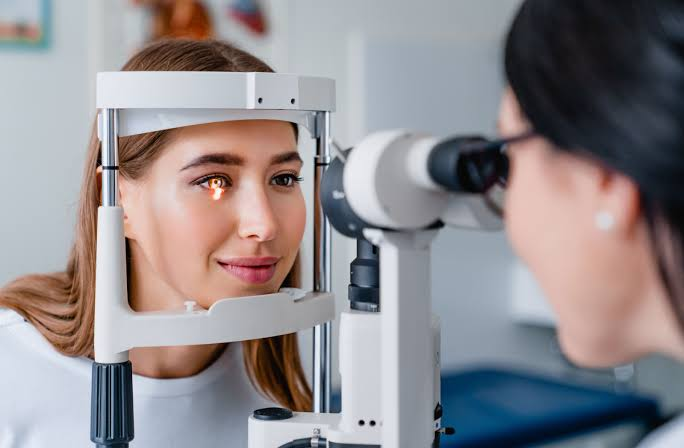
Regular check-ups matter even if your vision seems fine, because conditions like glaucoma and diabetic retinopathy can progress silently. Adults without symptoms are often advised to have a check every one to two years, depending on age and risk, and the AAO suggests a baseline exam around age 40. Your eye doctor can advise what suits you.
Seek prompt or emergency care for:
- Sudden loss of vision, or a dark curtain across your sight
- Sudden flashes of light or a burst of new floaters
- Severe eye pain, redness with reduced vision, or a chemical splash
- Double vision that appears suddenly
- Any eye injury
People with diabetes, a family history of glaucoma or macular degeneration, very high prescriptions, or who are over 60 should be checked more regularly.
FAQs
Can eyesight be improved naturally without glasses?
Not for common refractive errors. Healthy habits protect your eyes and ease strain, but they won’t change the eye’s shape or focusing power. Glasses, contacts or surgery such as LASIK can correct vision. A specialist can tell you which is suitable.
Does eating carrots improve eyesight?
Only if you were deficient in vitamin A. For most people with a balanced diet, extra carrots won’t make vision better, though they’re a perfectly good food.
Is 20-20-20 worth trying?
Yes. It’s free, easy, and encourages breaks and blinking. Just don’t treat the exact numbers as magic.
Can poor eyesight get better on its own?
Children’s prescriptions sometimes change as their eyes grow. In adults, refractive errors don’t usually reverse by themselves. Presbyopia worsens until the early 60s and then tends to stabilise.
Are eye supplements worth taking?
Only in specific cases, such as an eye doctor recommending an AREDS2-type formula for diagnosed macular degeneration. Most people don’t need them.
How often should I get my eyes tested?
Roughly every one to two years for most adults, more often if you have diabetes, a family history of eye disease, or notice changes. Children should be checked early and regularly.
Conclusion
Improving eyesight depends on what’s causing the problem. If the issue is blurry vision, a proper eye test and the right glasses or lenses is the answer. If the goal is keeping your eyes healthy for decades, the useful steps are mostly unglamorous: UV protection, no smoking, good control of diabetes and blood pressure, a varied diet, breaks from screens, and regular check-ups.
A sensible next step is to book an eye exam if you’re overdue, and swap one screen habit, such as a short break every half hour, into your day.