
Written by Teerth Busa: Health & Fitness Content Writer
Teerth Busa researches exercise, fitness, nutrition, mental well-being, and healthy lifestyle topics using reputable health organizations and scientific sources. His content is written to make health and fitness information simple, practical, and easy to understand.
How to Reduce Added Sugar in Your Diet: A Practical Guide
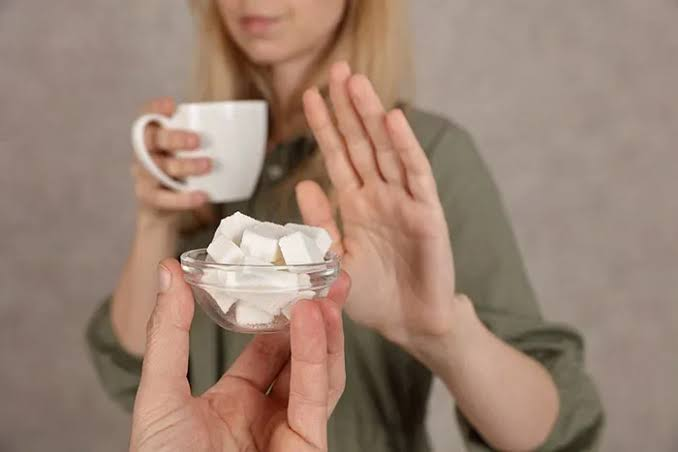
You don’t need to give up sweetness to eat less sugar. For most people, the biggest gains come from a handful of habits: the sweetened drink at 4 p.m., the spoonful or two in every cup of tea, the breakfast cereal that tastes less sweet than it is. Change those, and your sugar intake can fall without your meals feeling like a punishment.
The short answer to “how much is too much” comes from the World Health Organization. It recommends that adults and children keep free sugars below 10% of their daily energy intake, and suggests going below 5% if possible. For someone eating about 2,000 calories a day, that works out to roughly 50 grams (about 12 teaspoons) at the upper limit and about 25 grams (about 6 teaspoons) at the lower one. Those figures are an illustration, not a prescription. Your own needs depend on your age, size and activity.
This guide explains what “added sugar” actually includes, where it tends to hide in both Indian and international diets, and how to cut back in steps that fit ordinary life. It also covers the questions people usually ask next: whether jaggery or honey is better, whether sweeteners help, and when a conversation with a doctor makes sense.
Key takeaways
- Added sugar means sugar put into food or drink by a manufacturer, a cook or you. WHO’s broader term, free sugars, also counts honey, syrups and fruit juice. Sugar inside whole fruit, vegetables and plain milk is not the target.
- WHO recommends free sugars below 10% of energy, with below 5% as a further goal. The 10% limit is a strong recommendation; the 5% goal is conditional.
- Sweetened drinks and sweetened tea or coffee are usually the easiest place to start, because the sugar adds up quickly and you don’t feel full from it.
- Gradual swaps tend to be easier to keep than sudden bans. Reading labels does most of the detective work.
- Honey, jaggery and “natural” syrups still count toward your limit, and sweeteners are not a proven shortcut for weight control.
What counts as added sugar, and why the limit exists
Sugar shows up in two broad ways. Some is built into a food: the fructose in a banana, the lactose in plain milk or curd. The rest is added along the way, whether in a factory, a restaurant kitchen or your own teacup.
WHO uses the term free sugars for the second group. It covers sugars added by manufacturers, cooks or consumers, plus the sugars naturally present in honey, syrups and fruit juice. It leaves out sugars in whole fresh fruit, vegetables and milk, because there is no reported evidence of harm from those. That is why a mango is treated differently from a mango drink, even though both contain sugar. In the drink, the sugar is concentrated, the fibre is gone, and it is easy to finish a glass in a minute.
What the guidelines say
Different bodies phrase their advice differently, but they point the same way.
| Source | What it advises | Notes |
|---|---|---|
| WHO (2015) | Free sugars below 10% of total energy; below 5% as a further, conditional goal | Applies to adults and children |
| American Heart Association (2009) | About 6 teaspoons (roughly 25 g) a day for most women and 9 teaspoons (roughly 37.5 g) for most men | Added sugars only; no general limit set for children |
| ICMR-NIN, Dietary Guidelines for Indians (2024) | Keep sugar low; news reports of the guidelines cite under 5% of total energy | Check the primary document for exact wording before publishing |
The percentage limits can look abstract, so it helps to translate them. WHO notes that a single can of sugar-sweetened soda can hold up to 40 grams of free sugars, about 10 teaspoons. One can can therefore use up most of a day’s allowance at the 10% level and exceed the 5% goal on its own.
What the evidence does and doesn’t show
WHO’s strong recommendation for the 10% limit rests on evidence that adults who eat less sugar tend to weigh less, that more sugar in the diet is associated with weight gain, and that children who drink the most sugar-sweetened beverages are more likely to be overweight or obese. It also points to higher rates of tooth decay above 10%.
Two qualifications matter. First, much of this evidence is about weight and dental health, and a good part of it is observational, which shows association rather than proof of cause. Second, sugar is rarely the only factor. Calories in excess, low physical activity, sleep and genetics all play a role. Cutting added sugar is a sensible, evidence-backed step, but it is not a stand-alone cure for weight or blood sugar problems.
The 5% goal is weaker evidence by WHO’s own account. Only three national population-wide studies allowed a comparison for dental caries between intakes below 5% and between 5% and 10%, which is why that target is labelled conditional.
Where added sugar hides in everyday eating
Most people who eat a lot of added sugar can’t point to it. It is spread thinly across the day rather than concentrated in one dessert. WHO makes the same observation: much of the sugar we eat is hidden in processed foods not usually thought of as sweets. One tablespoon of ketchup, for example, holds around 4 grams, about a teaspoon.
A simple way to see the pattern is to use WHO’s rough conversion of 4 grams to a teaspoon. Imagine someone who drinks three cups of tea a day with two level teaspoons of sugar in each. That is about 6 teaspoons, or roughly 24 grams, before breakfast, lunch or dinner has contributed anything. This is an illustration, not a survey result, but it shows how routine habits add up.
| Where it hides | Why it’s easy to miss | A practical way to check |
|---|---|---|
| Tea, coffee and milk-based drinks | The sugar goes in by the spoon, so it feels small | Count the spoonfuls for one normal day |
| Soft drinks, packaged juices, energy drinks and sweetened lassi | Liquid sugar is quick to drink and doesn’t feel like food | Check the label for grams of added sugar per serving |
| Flavoured yogurt, malted drink powders and breakfast cereals | They’re marketed as healthy or as children’s staples | Compare with plain curd or unsweetened oats; the AHA cites about 6 teaspoons of added sugar in 8 oz of fruit-flavoured yogurt |
| Biscuits, cakes, mithai and ice cream | Obvious, but often eaten as “just one” many times a week | Decide on set occasions rather than grazing |
| Ketchup, sauces, salad dressings and ready-made curries | Savoury foods rarely trigger “sugar” thinking | Look for sugar, syrup or sweeteners in the ingredient list |
One warning from India’s own guidelines is worth repeating. The 2024 Dietary Guidelines for Indians caution that labels can mislead: a product claiming to contain real fruit may still carry added sugar and only a small proportion of fruit pulp, according to the guideline text as reported by Down To Earth. The front of the pack is advertising. The ingredient list and nutrition panel are where the facts are.
How to read a label without a calculator
Ingredients are listed from the largest amount to the smallest, so sugar near the top tells you something. Sugar also goes by many names: glucose syrup, fructose, maltose, dextrose, invert sugar, jaggery, honey, fruit juice concentrate. If a nutrition panel separates “added sugars” from “total sugars”, use the added figure. If it doesn’t, the ingredient list is your best guide. Four grams is roughly one teaspoon, which makes any number easy to picture.
A realistic way to cut back, one step at a time
Trying to remove sugar everywhere at once usually lasts a few days. A better plan is to change the largest sources first and leave the rest for later. The order below follows that logic.
1. Look before you change anything
For three or four ordinary days, note every sweet thing you have: spoons in tea, bottled drinks, biscuits with chai, desserts, packaged breakfast items. You don’t need to weigh anything. Most people are surprised by how much comes from drinks and snacks rather than from meals.
2. Start with what you drink
Sweetened drinks are the easiest sugar to cut because liquid sugar doesn’t make you feel as satisfied as the same amount of food. WHO’s evidence on weight in children is specifically about sugar-sweetened drinks, and the AHA identifies soft drinks as the leading source of added sugar in American diets.
- Tea and coffee: reduce the sugar slowly rather than stopping abruptly. Take out about a quarter of a spoon every few days until the cup tastes fine with much less. Many people find their preference shifts within a few weeks, though this varies and isn’t guaranteed.
- Cold drinks and packaged juice: replace most of them with water, plain or lightly salted buttermilk (chaas), soda water with lemon, or unsweetened tea over ice. If you want a lemon drink at home, make it with far less sugar than you’d find in the bottled version.
- Fruit juice: it counts as free sugar in WHO’s definition. Eating the whole fruit costs about the same and keeps the fibre.
3. Rebuild breakfast
Sweet breakfasts set the tone for the day, and many “healthy” ones are sweeter than they look. Options that rely on little or no added sugar include:
- Idli or dosa with sambar and chutney, vegetable upma, poha or besan chilla
- Plain curd with chopped fruit instead of flavoured yogurt
- Unsweetened oats or muesli with fruit and nuts
- Eggs with whole-grain toast, for those who eat them
If your household uses a malted powder or sweetened cereal, try mixing it half-and-half with a plain version for a few weeks, then adjust.
4. Change what’s within reach
Cravings are often about convenience. If the snack you reach for is a biscuit, put roasted chana, makhana, peanuts, a banana or sliced cucumber where the biscuits used to be. Fruit chaat with a squeeze of lime, sprouts salad and plain popcorn are cheap, widely available and don’t depend on added sugar.
5. Keep sweets, but give them a place
Banning mithai, chocolate or cake tends to make them feel more important. A more durable approach is to enjoy them on purpose: a small portion after a meal, at a festival or on a weekend, rather than as a background habit. In your own cooking, many recipes taste fine with a quarter to a third less sugar, though baked goods can change in texture, so test before serving guests.
6. Compare packaged products by label
When you buy ketchup, sauces, cereal, yogurt or biscuits, pick up two brands and compare added sugar per serving. Choose the lower one, or choose the plain version and sweeten it lightly yourself. This takes under a minute and quietly removes sugar from dozens of future meals.
Adapting this to different diets and budgets
Nothing above depends on expensive foods. Water, tea with less sugar, home-cooked breakfast, seasonal fruit and legumes are often cheaper than packaged alternatives. For readers who eat Western-style meals, the same logic applies: swap sweetened coffee drinks and soda for plain or lightly sweetened versions, choose plain yogurt over flavoured, and look at granola bars and cereals with the same suspicion as biscuits. People who are vegan, who avoid dairy, or who follow religious or regional food patterns can use the same sequence of drinks, breakfast, snacks, sweets and labels with their own staples.
Mistakes that undo progress
- Replacing soda with juice. The sugar stays.
- Treating “sugar-free” desserts as unlimited. Portion and frequency still matter, and the products may be high in refined flour or fat.
- Cutting too hard, then bingeing. Skipping meals makes sweet cravings stronger for many people. Regular meals with protein and fibre help.
- Ignoring sleep. Tired people often reach for sugary food. This is a common experience and a plausible contributor, but it isn’t a reason to expect that sleep alone will fix cravings.
- Being strict at home and unprepared elsewhere. Weddings and festivals are part of life. Plan for them by keeping ordinary days lower.

Honey, jaggery, sweeteners and other common questions
Are honey and jaggery better than sugar?
They may taste more wholesome, but they are still sweeteners. WHO’s definition of free sugars explicitly includes honey and syrups, and the AHA’s advice applies to sugars added at the table. Jaggery isn’t named in the WHO text reviewed for this article, but it is made largely of sugars too, so it makes sense to count it toward your limit. Any small amount of trace minerals in these products isn’t a reason to use more of them. If you like the flavour of jaggery in a particular dish, use it in the amount you’d use sugar, not in addition to it.
Do artificial sweeteners solve the problem?
Not reliably. In 2023, WHO issued a conditional recommendation against using non-sugar sweeteners to control weight or reduce the risk of noncommunicable diseases, noting that replacing free sugars with them does not help with long-term weight control. WHO has said the evidence behind this advice is of low certainty overall, and the recommendation does not apply to people who already have diabetes. The Indian guidelines also caution about long-term use of sweeteners such as aspartame and saccharin, as reported by Down To Earth. For most people the more useful aim is to get used to less sweetness, not to find a replacement for it.
Is the sugar in fruit a problem?
For most people, no. WHO’s limit does not cover sugars in whole fresh fruit, vegetables or milk. Fruit also brings fibre, water and other nutrients. Dried fruit, fruit juice and fruit “drinks” are different, because the sugar is more concentrated and easier to overeat.
Does cutting sugar fix weight or blood sugar by itself?
No. Added sugar is one part of the picture. Total calories, how much you move, sleep, family history and overall eating pattern all matter. Eating less added sugar may help, but it is better treated as one useful change within a broader pattern, not as a detox or a quick reset. There’s no good evidence that a short sugar “detox” resets the body.
Who should be more careful?
- People with diabetes or prediabetes: cutting sugar is generally sensible, but the details depend on your medicines, meal timing and targets. If you take insulin or other glucose-lowering medicines, speak to your doctor or dietitian before making large changes, because your doses may need adjusting.
- Children: WHO’s recommendation applies to children as well as adults, and the AHA did not set a general limit for them. Gradual changes at home, such as fewer sweetened drinks, are more useful than strict rules or labelling foods as “bad”.
- Pregnant or breastfeeding women, older adults and people with other health conditions: needs vary. Check with a healthcare professional if you’re unsure.
- Anyone who finds that restricting food triggers anxiety, guilt or bingeing: consider talking to a doctor or mental-health professional rather than pushing harder.
When to get medical advice
Constant thirst, frequent urination, unexplained weight loss or unusual tiredness can have many causes, including diabetes. They are reasons to book a check-up, not to try to fix things with diet alone. This article is general information and can’t tell you what’s happening in your own body.
Frequently asked questions
How much added sugar is okay in a day?
WHO advises staying below 10% of your daily energy from free sugars, and below 5% if you can. For a 2,000-calorie day that is about 50 grams and 25 grams respectively. The American Heart Association suggests about 25 grams for most women and about 37.5 grams for most men, and Indian guidance is stricter still, at under 5% of energy according to reports. These are upper limits, not targets to reach. You don’t need to count every gram; knowing the rough range helps you judge whether a sweetened drink or two is the main issue.
How long before the cravings ease?
There’s no reliable timeline. Many people say sweet foods start to taste sweeter as they cut back, and that their preference for very sweet things drops, but individual experience varies and this article doesn’t rely on a specific number of days. Gradual reductions, regular meals and keeping tempting items out of easy reach tend to make the adjustment less uncomfortable.
Does “no added sugar” mean a product is sugar-free?
No. It means sugar wasn’t added during processing. The product may still contain sugars from fruit, milk or fruit-juice concentrate, and it can still be high in calories. Look at the nutrition panel for total and added sugars, and at the ingredients.
Do I have to give up chai, mithai and desserts for good?
No. The guidelines set limits on how much, not a requirement to eliminate all sweetness. A smaller portion, a lower-sugar cup of tea or a dessert kept for special occasions is consistent with them. If you have diabetes, your own targets may be tighter, and your care team can help you set them.
Is it worth tracking grams?
For a week or two, it can be useful, mostly as a learning exercise. Reading labels on the ten or so foods you buy most often will teach you more than a calculator will. After that, most people do better by simply keeping to the habits that worked. Anyone with a history of disordered eating should avoid intensive tracking and speak to a professional first.
Conclusion
Cutting back on added sugar works best as a series of small, deliberate swaps, not as a test of willpower. Start with the drinks, since that is where sugar slips in most easily. Then look at breakfast, the snack you reach for most often and the packaged foods you buy repeatedly. Honey, jaggery and sweeteners don’t offer a way around the problem, and fruit and plain milk aren’t the target.
For your next step, spend a few days noting where sweetness enters your day, then choose one change, such as a quarter-spoon less in every cup, and keep it for two weeks before adding another. If you have diabetes, take medicines that lower blood sugar, are pregnant, or have a history of disordered eating, check with a healthcare professional before making large changes.