
Written by Vardan Patel
Co-Creator & Health and Fitness Content Creator at FitHub 365
Vardan combines his personal experience with exercise and healthy lifestyle habits with research from reputable health organizations and scientific sources to create practical, beginner-friendly health and fitness content.
How Social Media Isolation Affects Your Brain
You have 800 followers, a phone that buzzes all day, and yet the evening feels strangely quiet. If that sounds familiar, you are not alone, and you are not imagining it. Being constantly “connected” online and feeling genuinely close to people are two different things.
This article explains what social media isolation means, what research says about how it can affect your mood, thinking and long-term brain health, and what you can realistically do about it. We will also be honest about what science has not proven, because this is a field where headlines often run ahead of the evidence.
The short answer: Social media does not automatically isolate people, and it is not a medical diagnosis. But when online scrolling replaces real conversations, it can leave you feeling more alone. Feeling disconnected over a long time is linked, in research, to poorer mental health and a higher risk of cognitive decline. Small, steady changes in how you use your phone and how you spend time with people can help.
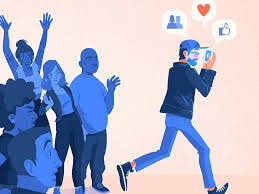
Key Takeaways
- “Social media isolation” is an everyday term, not a clinical diagnosis. It describes feeling cut off even though you are online a lot.
- Social isolation (few contacts) and loneliness (feeling alone) are related but different, and both matter for health.
- In a three-week experiment with college students, those who limited social media use reported less loneliness and depression than those who did not. The study was small in scope and cannot be generalised to everyone.
- Long-term social isolation is listed as a modifiable risk factor for dementia, but this is an association, not proof that isolation alone causes it.
- You do not need to quit social media. Quality of connection, and what you replace scrolling with, matters most.
What Does “Social Media Isolation” Actually Mean?
There is no official medical condition called social media isolation. People use the phrase for a familiar pattern: you spend a lot of time on social platforms, but you have fewer face-to-face or voice conversations, and you feel more distant from the people around you.
To understand it properly, it helps to separate two terms researchers use:
- Social isolation is an objective situation: having few social contacts or rarely interacting with others.
- Loneliness is a feeling: the painful gap between the connection you want and the connection you have.
You can have a full friends list and still feel lonely. You can also live alone and feel content. Social media isolation usually shows up as loneliness despite being online.
Why Does Scrolling Sometimes Leave Us Feeling More Alone?
Researchers have proposed several explanations. Not all of them are equally well tested, so we have marked how solid each one is.
1. It can replace real conversations
Time is limited. An hour spent scrolling is an hour not spent talking to a friend, eating with family or walking with a neighbour. This idea is simple and plausible, and a psychologist involved in one well-known study has described time as a zero-sum game. It is a reasonable explanation, though not the only one.

2. Constant comparison
Feeds show highlights: holidays, promotions, celebrations. When you see everyone else apparently out together, it can feel as though you are left out. The same researcher has pointed to this kind of upward comparison as one reason heavy use may hurt mood. This is a proposed mechanism, and individuals differ widely in how much it affects them.
3. Passive use versus active use
Watching other people’s lives (passive scrolling) is not the same as messaging a friend, planning a meet-up or joining a supportive group chat (active use). Many researchers think the way you use social media matters as much as how long you use it. The evidence here is mixed, so treat this as a useful rule of thumb rather than a settled fact.
4. Attention and sleep
Late-night scrolling can cut into sleep, and poor sleep affects mood and thinking. This is a general lifestyle link rather than direct evidence about isolation, so we mention it only briefly.
What Happens in the Brain When We Feel Disconnected?
This is where we need to be most careful. You may see claims online that social media “rewires” your brain or that isolation “shrinks” it. Those claims are usually stronger than the evidence supports.
What is better established is how disconnection relates to mental health and long-term health outcomes, rather than specific changes you could point to on a brain scan:
- Mood and anxiety. A 2025 report from the WHO Commission on Social Connection says loneliness and social isolation are linked to a higher risk of depression and anxiety.
- Heart and brain health. The same WHO material links disconnection to heart disease, stroke, dementia and earlier death.
- Cognitive decline. The 2024 Lancet Commission on dementia prevention lists social isolation in later life among 14 modifiable risk factors, estimating it accounts for roughly 5% of dementia risk worldwide. This is a population-level estimate based largely on observational research.
Plausible but unproven: One common explanation is that long-term loneliness acts as a chronic stressor and that talking with others keeps the mind engaged. This makes sense biologically, but it is still being studied, and we cannot say exactly how it works in any one person.
Important limits: Most of this research looks at isolation and loneliness in general, not at social media specifically. Also, people who already feel low may withdraw and scroll more, so cause and effect can run in both directions.
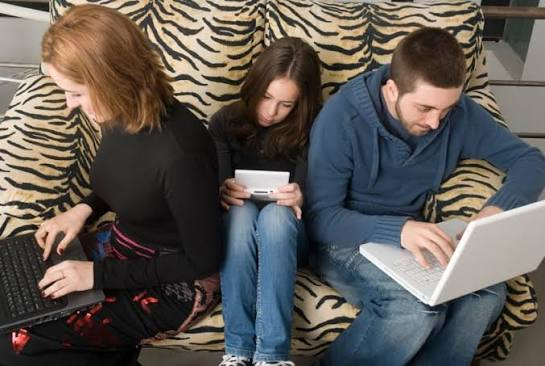
What Does the Research on Social Media Itself Show?
One of the most cited experiments was published in 2018 by a University of Pennsylvania team led by psychologist Melissa Hunt. College students were randomly assigned either to keep using Facebook, Instagram and Snapchat as usual or to limit use to about 30 minutes a day for three weeks.
The group that limited use reported significant drops in loneliness and depression compared with the group that carried on as normal. Both groups reported slightly less anxiety and fear of missing out (FOMO), which the researchers suggested may have come from simply paying attention to their own usage.
How to read this study sensibly:
- It involved young adults aged 18 to 22, so results may differ for teenagers, older adults or people in other countries.
- It lasted only three weeks, so it tells us little about long-term effects.
- Well-being was measured by self-report, and participants knew which group they were in.
- The effects were strongest in people who were already more depressed at the start.
It is a useful piece of evidence that how much we use these platforms can influence how we feel. It is not proof that social media harms everyone.
Signs Your Online Life May Be Leaving You Feeling Alone
These are not symptoms of a disorder. They are simple prompts for self-reflection:
- You feel lonelier or more left out after you scroll than before.
- You have stopped replying to calls or invitations because scrolling feels easier.
- You know a lot about people’s lives but rarely talk to them.
- You check your phone to avoid awkward or quiet moments.
- Your sleep is being pushed later by late-night scrolling.
If several of these fit you, a gentle adjustment may help. If they come with a persistent low mood, see the safety section below.
Practical Steps to Reconnect (Beginner-Friendly)
You do not need a digital detox or an expensive solution. Start small.
Notice before you change
Check your phone’s built-in screen-time report for a few days. Awareness alone helped participants in the study above, according to the researchers’ interpretation.
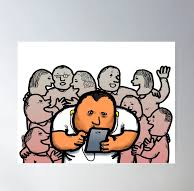
Swap passive scrolling for active contact
- Send a voice note or call one person instead of reading ten posts.
- React to a friend’s update with a real message.
- Plan one real-world meet-up each week, even a short chai or coffee.
Set simple limits
- Choose one or two time windows for social media rather than checking all day.
- Keep phones away from the dinner table and out of the bedroom at night.
- Mute or unfollow accounts that consistently make you feel worse.
Build offline connection into your routine
These ideas work for different budgets and cultures:
- A daily walk with a neighbour, family member or colleague.
- Group exercise: a yoga class, park walking group, cricket or football with friends, a community dance or fitness class.
- Shared meals with family, housemates or friends.
- Volunteering, hobby groups, a book club or a local temple, gurdwara, church or mosque community activity, if that suits you.
- Online communities built around a shared interest can also help, as long as they lead to real conversations rather than endless scrolling.
Protect sleep and movement
Regular movement and enough sleep support mood in general. This is broad healthy-lifestyle advice rather than specific evidence about social media isolation, but it makes the other steps easier to keep up.
Common mistakes to avoid
- Deleting every app overnight, which is hard to sustain and may cut you off from useful contacts.
- Replacing scrolling with another solitary screen habit.
- Blaming yourself. These platforms are designed to hold attention, and feeling pulled in is normal.
Limitations, Misconceptions and Safety
Misconception: social media always causes loneliness. It does not. For some people, especially those who are geographically distant from family or who have limited mobility, online contact can be a real source of support.
What not to expect: Cutting down on social media is not a cure for depression or anxiety, and no study guarantees a particular result.
Individual differences: Age, personality, life circumstances, culture and existing mental health all affect how online time feels.
When to seek professional help: Persistent sadness, loss of interest in things you normally enjoy, trouble functioning at work or school, or thoughts of harming yourself are signs to speak with a doctor, counsellor or mental health professional. If you ever feel you might be in danger, contact your local emergency number or a crisis helpline in your country straight away. This article is general education and does not replace personal medical advice.
Frequently Asked Questions
Is social media isolation a real medical diagnosis?
No. It is a descriptive phrase, not a clinical diagnosis. Loneliness and social isolation are real and studied health concerns, though, and they can be discussed with a professional.
How much social media is too much?
There is no single safe number. In the 2018 study, participants limited use to about 30 minutes a day, but that was an experimental setting with college students. A better question is whether your use leaves you feeling better or worse, and whether it is crowding out time with people.
Does social media isolation damage the brain permanently?
There is no good evidence that ordinary social media use causes permanent brain damage. Long-term isolation is linked in observational studies to a higher risk of cognitive decline, but that is an association, and connection can be rebuilt at any age.
Is online contact as good as meeting in person?
Not necessarily, but it can still be valuable. Calls, video chats and thoughtful messages with people you care about generally feel more connecting than passive browsing. Many people do best with a mix.
Can teenagers be affected differently?
Possibly. The 2018 experiment studied 18 to 22 year olds only, so it cannot be applied directly to younger teens. Parents who are concerned can talk openly with their child and consult a paediatrician or school counsellor.
What if I feel lonely even when I am with people?
That is common. Loneliness is about the quality of connection, not the number of people around you. If it persists, talking with someone you trust or a mental health professional is a good next step.
Conclusion
Feeling alone in a hyper-connected world is a real and widely shared experience, and research suggests persistent disconnection matters for both mental and brain health. Social media is not the villain in every story, but when scrolling replaces conversation it can leave us lonelier.
The most useful takeaway is simple: trade a little passive scrolling for real contact. This week, try messaging or calling one person, and set one phone-free time each day. Small steps add up.