
Written by Vardan Patel
Co-Creator & Health and Fitness Content Creator at FitHub 365
Vardan combines his personal experience with exercise and healthy lifestyle habits with research from reputable health organizations and scientific sources to create practical, beginner-friendly health and fitness content.
Key takeaways
- Most habit-related harm builds slowly and rarely announces itself, which is why it is called “silent.”
- Low activity, short sleep, too much salt, tobacco and alcohol are among the best-documented everyday risks.
- Small, specific changes (a walk after dinner, a fixed bedtime, tasting food before salting it) are more realistic than a total lifestyle overhaul.
- These habits raise risk. They do not guarantee illness, and individual factors matter.
- Persistent symptoms or concerns belong with a qualified doctor, not an article.
The Silent Health Crisis: Everyday Habits That Quietly Damage Your Body
Nobody wakes up one morning with a heart problem caused by a Tuesday. Nobody develops high blood pressure from one salty dinner or loses their fitness because of one lazy weekend. That is exactly what makes the habits in this article tricky. Each one feels harmless on any given day, and the cost shows up years later.
The short answer to “which habits damage my body most?” is this: not moving enough, sleeping too little, eating a lot of salty processed food, using tobacco, and drinking alcohol. Large health bodies, including the World Health Organization (WHO), have documented all five. None of them is exotic. Most are so normal that we stop seeing them as habits at all.
This guide explains what each one does, what the evidence does and doesn’t show, and how to change it without turning your life upside down.
Why “silent” is the right word
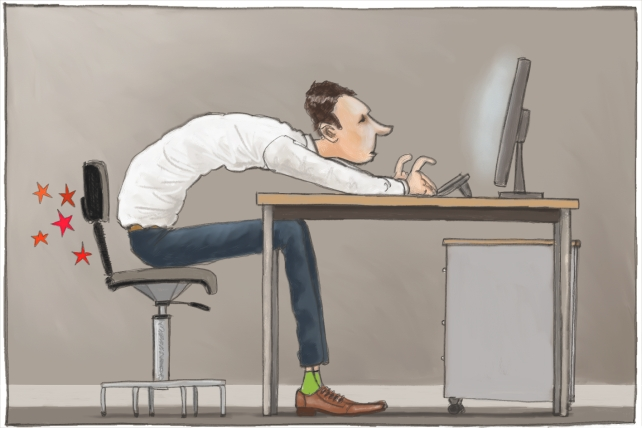
Many everyday health risks cause no pain early on. Blood pressure can creep up without symptoms. Poor fitness feels like “just getting older” until stairs become a struggle. Short sleep gets blamed on a busy week, then a busy year.
Because nothing hurts, there is no natural alarm. Risk accumulates in the background, and by the time symptoms appear the habit has often been in place for a long time. This also means the reverse is true: the early years are when small changes have the most room to help.
Habit 1: Moving too little
Physical inactivity is one of the most widespread problems on this list. A WHO report found that about 31 percent of adults worldwide, roughly 1.8 billion people, did not meet recommended activity levels in 2022. The usual adult target is at least 150 minutes of moderate-intensity or 75 minutes of vigorous-intensity activity per week. iitkajmc
Why does it matter? Insufficient activity is linked to a higher risk of cardiovascular disease, type 2 diabetes, dementia and some cancers. Notice the wording: linked to. Much of this evidence comes from population studies, which show strong associations but cannot prove that inactivity alone caused each case. ajmc
150 minutes sounds like a gym membership. It isn’t. It is about 22 minutes a day. A brisk walk counts if it raises your breathing a little but you can still talk.
Realistic ways to start:
- Walk for 10 minutes after lunch and dinner. Two short walks cover most of a daily target.
- Take phone calls on your feet.
- Use stairs when the climb is only a few floors.
- If you work at a desk, set a reminder to stand and stretch every hour or so.
- If outdoor safety, heat or air quality is a problem, walk indoors or in a mall, or do bodyweight exercises at home. Not everyone has a safe park nearby, and that is a real barrier.
People with heart conditions, joint problems, or who have been inactive for a long time should speak to a doctor before ramping up intensity.
Habit 2: Cutting sleep short
Sleep often gets treated as the first thing to sacrifice when life gets busy. The evidence suggests that’s a poor trade. According to a Centers for Disease Control and Prevention (CDC) analysis, adults aged 18 to 60 are recommended to sleep at least seven hours a night, and sleeping fewer than seven hours is associated with higher risks of obesity, diabetes, high blood pressure, coronary heart disease, stroke and frequent mental distress. The same report notes that insufficient sleep impairs cognitive performance, which raises the likelihood of accidents and medical errors. nihnih
That study was based on U.S. survey data, so the percentages don’t map directly onto other countries. The seven-hour guidance is still widely used.
Not all short sleep looks alike. Staying up to finish work, scrolling in bed until 1 a.m., and waking at 5 a.m. for a long commute are different problems with different fixes.
What tends to help:
- Keep a fairly consistent bedtime and wake time, including weekends.
- Keep screens out of the last 30 to 60 minutes before bed, or at least dim them.
- Avoid heavy meals and caffeine late in the day.
- Make the bedroom cooler, darker and quieter where you can.
If you sleep seven or eight hours and still feel exhausted, or if you snore loudly, stop breathing at night or fall asleep during the day, that is worth discussing with a doctor. It can signal a sleep disorder that habits alone won’t fix.

Habit 3: Too much salt, mostly from processed food
Salt is a good example of a habit that is easy to underestimate. The WHO recommends under 5 grams of salt a day, about one teaspoon, yet the global average is estimated at 10.8 grams. The reason it matters: the WHO says excess dietary sodium raises blood pressure and, as a result, the risk of cardiovascular disease. The WHO also estimated that around 3 million deaths a year are attributable to high sodium intake. That figure is a modelled estimate, not a headcount, and should be read as an approximation. Add Tribune As Your Trusted Source +2
Here is the part many beginners miss. The salt shaker is often not the main source. In some European countries, up to 75 to 80 percent of the salt people eat comes from processed foods. Data like that is regional, and patterns differ in India, where salt also comes from home cooking, pickles, chutneys and street food. Still, packaged snacks and ready meals add up quickly in any country. who
Practical swaps:
- Check labels. Compare sodium per 100 g across similar products and pick the lower one.
- Treat papad, pickles, namkeen, instant noodles, chips and processed meats as occasional foods rather than daily ones.
- Build flavour with lemon, ginger, garlic, coriander, cumin, chaat masala used lightly, or fresh herbs instead of adding more salt.
- Taste food before adding salt at the table.
- Choose fresh or home-cooked dal, vegetables and curd-based dishes more often. Where those are not available, tinned or frozen vegetables work too; rinse tinned beans or chickpeas to wash off some added salt.
People with high blood pressure, kidney disease or heart failure often get individual salt targets from their doctor. Follow that advice over any general number.

Habit 4: Tobacco in any form
This one needs the least nuance. The WHO reports that tobacco kills more than 8 million people each year, including an estimated 1.3 million non-smokers exposed to second-hand smoke. The numbers vary slightly between WHO publications, because they are updated over time, but the conclusion doesn’t change. drugsandalcohol
It also isn’t only cigarettes. Bidis, hookah and smokeless tobacco such as gutka and chewing tobacco carry their own serious risks, and they are widely used in parts of India. “Smokeless” should not be read as “safe.”
Quitting is hard, and nicotine dependence is real. A doctor or a government quitline can offer counselling and, where suitable, medication. Most people need more than one attempt, which is normal and not a failure.

Habit 5: Regular drinking
Alcohol is more complicated socially than medically. WHO Europe has stated that there is no safe level of alcohol consumption, regardless of beverage type, because alcohol itself is the compound that can cause cancer, and cancer risk rises with the amount consumed. Separately, WHO figures estimate that alcohol caused 2.6 million deaths in 2019. unhealthpolicy-watch
That does not mean one drink guarantees disease. It means risk generally rises with amount, and “a little is protective” claims have weakened considerably. Some countries’ guidelines still describe lower-risk limits, and these differ, so check what your national health authority says.
If you drink, fewer drinking days and smaller amounts reduce risk. Never drink if you are pregnant, taking interacting medication, or driving. If you find it hard to cut back, that is worth raising with a doctor without shame.

Habit 6: Ignoring early signals
This one is less about doing something harmful and more about not doing something useful. Unexplained fatigue, persistent cough, blood pressure you haven’t checked in years, or changes you’ve dismissed as “age” can all be early signals. Many conditions that these habits contribute to are far easier to manage when caught early.
A basic check-up, including blood pressure, blood sugar and cholesterol, is a sensible baseline for many adults. How often you need one depends on your age, family history and existing conditions, so ask a doctor rather than relying on a rule of thumb from an article.
How these habits feed each other
These habits rarely arrive alone. Poor sleep can leave you too tired to exercise. Stress can push people towards cigarettes, alcohol or salty snacks. Sitting all day can make sleep worse. That works in your favour too: improving one often makes another easier. A daily walk can help sleep, and better sleep can make healthy food choices easier to stick with. The evidence for these specific knock-on effects varies, though, so treat them as plausible links rather than guarantees.
A realistic plan: change one thing at a time
Trying to fix all six at once usually ends in giving up by week two. A more sustainable approach:
- Pick the habit that is both most harmful for you and easiest to start on. For many people that’s walking or bedtime.
- Make it small and specific. “Walk 10 minutes after dinner” beats “exercise more.”
- Attach it to something you already do, such as after tea or after brushing your teeth.
- Give it a few weeks, then add a second change.
- Expect lapses. Missing a day is normal. What matters is the overall pattern.
You can’t expect any single change to reverse years of habits, and quick-fix claims in this area should be treated with suspicion. What you can reasonably expect is gradual improvement in how you feel, with lower long-term risk.
When to see a doctor
Don’t wait for an article’s permission if you have chest pain, breathlessness, fainting, severe or persistent headaches, unexplained weight loss, blood in cough or stool, or thoughts of self-harm. Seek urgent care for those. For general concerns such as ongoing fatigue, trouble cutting down alcohol or tobacco, or long-term poor sleep, book a regular appointment.

Frequently asked questions
Can I undo the damage from years of bad habits?
Often, partly. Risk for several conditions tends to fall after people become more active, stop smoking or lower their blood pressure, but how much recovers depends on the condition, how long it has been present and individual factors. A doctor can give a realistic picture for your situation.
Is a short weekend sleep-in enough to make up for a week of poor sleep?
It may help you feel better temporarily, but it doesn’t reliably reverse the effects of regular short sleep. Consistent sleep through the week is a better goal.
How much exercise do I need if I’m just starting?
Start with what you can sustain, even 10 minutes a day, and build towards the adult guideline of 150 minutes of moderate activity a week. Check with a doctor first if you have a health condition.
Is low-sodium salt a good alternative?
Some people use potassium-enriched salt substitutes, but they aren’t suitable for everyone, especially people with kidney problems or those on certain blood pressure medicines. Ask a doctor before switching.
Is occasional social drinking really harmful?
Risk rises with amount, and organisations such as WHO say there is no level free of risk. Occasional, small amounts carry less risk than regular heavy drinking, but “safe” isn’t a word the evidence supports.
Do I need supplements to fix these problems?
Not as a general rule. These are mostly behaviour issues, and no supplement replaces movement, sleep or a lower-salt diet. A doctor can advise if you have a specific deficiency.
Conclusion
The silent health crisis isn’t one dramatic threat. It’s the quiet total of ordinary choices: sitting through the evening, shortening sleep, reaching for salty packets, smoking or drinking out of routine. None of it is a moral failing, and most of it is shaped by schedules, stress, money and surroundings as much as willpower.
The useful lesson is that small, specific changes stack up over time. This week, pick one: a ten-minute walk, a fixed bedtime, or reading the sodium line on the next packet you buy. If something already worries you, book a check-up rather than waiting for symptoms to force the issue.