
KEY TAKEAWAYS
- Regular gym training, especially strength work, supports heart health, metabolic health, muscle and bone strength, and mood, but it is not a cure or guarantee.
- Health guidelines recommend muscle-strengthening on at least two days a week, alongside aerobic activity.
- Beginners get the most from a simple, consistent routine, not an intense or complicated one.
- Sleep, food, technique and gradual progress matter as much as the workout itself.
- If you have a medical condition, chest pain, dizziness or an injury, speak to a qualified professional before starting.

The Importance of Gymming in Daily Life: What Beginners Should Know
Climbing stairs and already out of breath? Carrying grocery bags and feeling your back complain? Sitting through a workday and wondering why you feel tired by evening? These everyday moments are where the importance of gymming becomes practical rather than abstract.
The short answer: gym training, which means structured exercise with weights, machines, body-weight movements and cardio, helps your body do daily tasks more easily and supports long-term health. Large health bodies such as the World Health Organization recommend both aerobic activity and muscle-strengthening exercise for adults. A gym is one convenient place to do that, not the only one.
This article explains what regular gym training does for your body and mind, what the evidence does and doesn’t show, how to start as a beginner, and which mistakes to avoid.
What “Gymming” Actually Means
Gymming simply means exercising in a gym or fitness setting. It usually combines three types of training:
- Resistance (strength) training: lifting weights, using machines, resistance bands or body weight to make muscles work against load.
- Cardiovascular training: treadmill, cycling, rowing or similar activities that raise your heart rate.
- Mobility and flexibility work: stretching and controlled movement that helps joints move comfortably.
You don’t need a gym membership to get these benefits. Home workouts, park workouts and sports count too. A gym mainly offers equipment variety, structure and, sometimes, trained staff.
Why Gymming Matters for Everyday Life
It Makes Daily Tasks Easier
Strength is functional. Carrying shopping, lifting a child, getting up from a low seat, climbing stairs and travelling with luggage all depend on muscle strength and fitness. Resistance training builds the muscle and coordination behind these movements. As people age, maintaining muscle becomes especially important for independence and for lowering fall risk.
It Supports Heart and Metabolic Health
Physical activity is linked to a lower risk of heart disease, type 2 diabetes and some cancers. According to the World Health Organization, regular activity also helps manage blood pressure and body weight. A 2022 systematic review and meta-analysis in the British Journal of Sports Medicine found that people who did muscle-strengthening activities had roughly 10–17% lower risk of death from any cause and of several major diseases. This evidence comes from observational cohort studies, so it shows an association, not proof that lifting weights alone causes the lower risk. People who exercise may also differ in other healthy habits.
It Builds and Protects Muscle and Bones
Muscle and bone respond to load. Strength training signals the body to maintain and build muscle, and weight-bearing exercise supports bone density. Both naturally decline with age, which is why public health guidance for older adults specifically includes strength and balance work.
It Can Improve Mood and Mental Well-Being
Many people feel calmer and more energetic after exercising. A meta-analysis of randomized trials published in JAMA Psychiatry in 2018 found that resistance training was associated with reduced depressive symptoms in adults . Exercise can be a helpful part of mental well-being, but it is not a replacement for professional care when someone is experiencing depression, anxiety or other serious symptoms.
It Builds Routine and Confidence
Showing up regularly creates structure. Many beginners notice that tracking small improvements, such as lifting a slightly heavier weight or finishing a longer walk on the treadmill, builds confidence that carries into other areas of life. This is a common experience, not a guaranteed outcome.
It Helps Counter Long Sitting Hours
Modern work often means hours of sitting. WHO guidance encourages people to reduce sedentary time and replace it with movement of any intensity. A gym session helps, but short walking breaks through the day matter too.
How Much Exercise Do Adults Need?
The WHO 2020 guidelines on physical activity and sedentary behaviour recommend that adults aged 18–64:
- Do 150–300 minutes of moderate-intensity aerobic activity per week, or 75–150 minutes of vigorous activity, or an equivalent mix.
- Do muscle-strengthening activities at moderate or greater intensity on 2 or more days per week, working all major muscle groups.
Those are general population guidelines, not personal prescriptions. Some people will need less to start, and some will have condition-specific advice from a doctor.
A Simple Beginner Gym Routine
You don’t need an elaborate programme. A full-body routine on two to three non-consecutive days a week is a sensible starting point for most healthy adults.
Sample 40–50 minute session
- Warm-up (5–8 minutes): easy walking or cycling, plus arm circles, hip circles and bodyweight squats.
- Strength block (about 25–30 minutes): choose one exercise per area, 2–3 sets of 8–12 repetitions at a weight you can control with good form:
- Legs: goblet squat or leg press
- Push: chest press machine or push-ups (on knees or incline if needed)
- Pull: seated row or lat pulldown
- Hips: glute bridge or Romanian deadlift with light weights
- Core: plank or dead bug
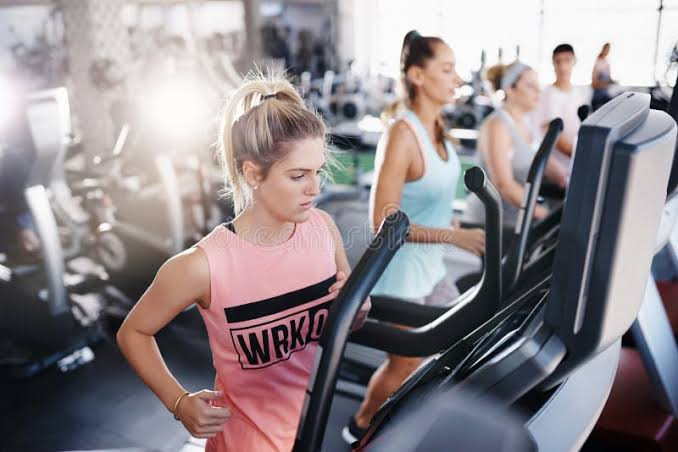
- Cardio (10–15 minutes): brisk treadmill walk, cycle or cross-trainer at a pace where you can still talk.
- Cool-down (3–5 minutes): slow walking and gentle stretching.
Progression: when you can complete all sets with good technique and feel you could do a couple more repetitions, increase the weight slightly or add a repetition. Slow, steady progress is safer than big jumps.
Beginner tip: the first few weeks are mostly about learning movements. Ask a qualified trainer at your gym to check your technique, or start with machines, which guide the movement path.
What to Eat and Drink Around Training
Gym results depend heavily on overall eating habits, not a single food or supplement.
- Protein sources: dal, rajma, chickpeas, paneer, curd, milk, eggs, fish, chicken, tofu, soy and sprouts all work. Vegetarian and non-vegetarian patterns can both meet needs with planning.
- Carbohydrates for energy: roti, rice, oats, poha, bananas, potatoes and other whole grains and fruits.
- Healthy fats: nuts, seeds, groundnuts and cooking oils in moderate amounts.
- Hydration: drink water regularly, especially in hot, humid weather.
Supplements are not universally necessary. Many people can meet their needs from food. If you’re considering protein powder, creatine or other products, discuss it with a doctor or registered dietitian, particularly if you have kidney disease, are pregnant, or take medicines.
Recovery, Sleep and Consistency
Muscles adapt during recovery, not just during the workout.
- Rest days: allow at least a day between sessions that train the same muscles.
- Sleep: most adults do better with regular, adequate sleep, generally around 7 or more hours.
- Soreness: mild muscle soreness after new exercises is common and usually fades within a few days. Sharp pain, joint pain or pain that worsens is a reason to stop.
- Habit building: pick fixed days and times, keep sessions short enough to sustain, and treat missed workouts as normal rather than failure.
Common Beginner Mistakes
- Lifting too heavy too soon. Technique first, load second.
- Skipping the warm-up. A few minutes prepares joints and muscles.
- Copying advanced routines. Programmes made for experienced lifters can be too much for a beginner.
- Doing only cardio or only weights. Guidelines support both.
- Expecting quick transformation. Visible changes vary widely with genetics, diet, sleep, training history and consistency.
- Training through pain. Discomfort from effort is normal. Sharp or persistent pain is not.
- Relying on supplements and shortcuts. No product replaces regular training, sleep and balanced meals.
Myths and Limits: What Gymming Can’t Promise
- “Weights make women bulky.” Building large muscle takes years of focused training and suitable conditions. Most beginners, women included, gain strength and tone gradually.
- “You can spot-reduce belly fat.” Exercising one area does not selectively burn fat from that area. Fat loss depends on overall energy balance and habits.
- “More is always better.” Overtraining without recovery can lead to fatigue and injury.
- “The gym fixes a poor diet.” Exercise helps health, but it doesn’t cancel out consistently poor sleep or nutrition.
- “Gym is only for the young or fit.” People of many ages and fitness levels can benefit with suitable progression and guidance.
Safety: When to Check With a Professional First
Consider speaking to a doctor before starting if you:
- Have heart disease, high blood pressure, diabetes, kidney disease, asthma or joint problems.
- Are pregnant or recently postpartum.
- Are recovering from injury or surgery.
- Take medicines that affect heart rate, blood pressure or blood sugar.
- Have previously had chest pain, fainting or unexplained breathlessness during exertion.
Stop exercising and seek urgent medical help if you experience chest pain or pressure, severe breathlessness, fainting, or sudden severe dizziness.

Frequently Asked Questions
How many days a week should a beginner go to the gym?
Two to three days is a sensible start for most healthy adults. This meets the guideline of muscle-strengthening on at least two days per week. You can add walking or other activity on other days.
Is gymming better than walking or yoga?
Not necessarily “better,” just different. Walking is excellent for general fitness, and yoga can improve flexibility and balance. Gym training adds progressive strength work, which guidelines recommend in addition to aerobic activity.
How long before I see results?
It varies. Many people notice better energy, mood or ease of movement within a few weeks, while visible changes in muscle or body composition usually take longer. There is no guaranteed timeline.
Do I need a personal trainer?
Not required. A few sessions with a qualified trainer can help you learn safe technique. Check their credentials, and remember that a trainer is not a substitute for medical advice.
Can I do gym workouts if I’m overweight or out of shape?
Often yes, starting gently. Low-impact options like walking, cycling and machine-based strength work are good entry points. Check with a doctor first if you have health conditions.
Is it okay to work out every day?
Light activity daily is fine for most people. For strength training, give muscle groups time to recover, and include rest days.
Conclusion
The importance of gymming in daily life comes down to this: regular strength and aerobic training helps you move, work and age better, and supports heart, metabolic, bone and mental health. It is no cure-all and results vary, but consistent, well-planned training is one of the most reliable habits you can build.
Your next steps:
- Choose two days this week for a 30–45 minute full-body session.
- Start light, focus on technique, and add small progressions over time.
Start where you are, keep it sustainable, and let the habit build.