
Written by Teerth Busa: Health & Fitness Content Writer
Teerth Busa researches exercise, fitness, nutrition, mental well-being, and healthy lifestyle topics using reputable health organizations and scientific sources. His content is written to make health and fitness information simple, practical, and easy to understand.
10 Healthy Habits to Start Today
Most people who want to get healthier already know roughly what to do. Walk more, sleep better, eat fewer packaged snacks. The harder part is turning that knowledge into something you do on an ordinary Tuesday, when work runs late and you’re tired.
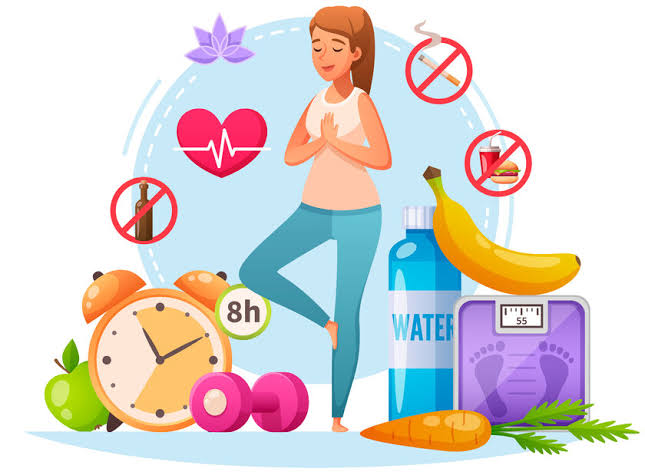
The short answer: the healthy habits worth starting are small, specific and easy to repeat. They cover five areas: daily movement, everyday eating, sleep, stress and avoiding avoidable harm. You don’t need all ten at once. Choosing one or two and keeping them going does more than a full lifestyle overhaul that lasts nine days.
This guide explains ten habits, why each one matters, how to begin with little time or money, and what the evidence can and cannot promise.
Key Takeaways
- Regular movement, enough sleep, more vegetables and fruit, and less tobacco and alcohol are among the best-supported lifestyle habits for long-term health.
- Small, repeatable actions are easier to sustain than ambitious plans. Start with one or two habits.
- Habits support health but don’t guarantee any outcome, and they don’t replace medical care.
- Habit formation takes weeks to months, not a fixed 21 days.
How to Choose Habits That Actually Stick
Before the list, a quick word on method, because the method matters as much as the habit.
Tie a new habit to something you already do. A ten-minute walk after dinner works better than “I’ll exercise more”, because dinner already happens. Make the first version almost embarrassingly easy: one extra serving of vegetables, not a new diet. And decide in advance what you’ll do on a bad day. A five-minute version still counts.
Expect it to take a while. A well-known 2010 study of 96 volunteers found that forming a new habit took anywhere from 18 to 254 days, with a median of about 66. The popular “21 days” figure isn’t supported. Missing a day didn’t ruin progress in that study either.
Movement Habits
1. Walk a little every day
The World Health Organization (WHO) recommends that adults do at least 150 to 300 minutes of moderate-intensity activity a week, or 75 to 150 minutes of vigorous activity, or a mix of both. It also says some activity is better than none.
That sounds like a lot until you break it up. Thirty minutes on five days gets you to 150. Brisk walking counts, as do cycling, climbing stairs, dancing and housework done at a pace that makes you breathe a bit harder.
If 30 minutes feels impossible, start with three walks of ten minutes: after breakfast, after lunch, after dinner. Walking to a nearby shop or getting off a stop early also adds up. No equipment, no gym fee.
2. Break up long stretches of sitting
WHO’s guidelines also advise limiting sedentary time and replacing it with activity of any intensity. For a desk worker or a student, that can be as simple as standing up every 30 to 60 minutes to refill a water bottle, take a call on your feet or stretch for a minute.
You don’t need a timer app, though one helps at first. The goal isn’t to stop sitting. It’s to stop sitting for three hours without moving.
3. Add muscle-strengthening twice a week
WHO recommends muscle-strengthening activity on at least two days a week for adults. This doesn’t require a gym. Bodyweight squats, wall or knee push-ups, step-ups on a sturdy stair, resistance bands or carrying heavy shopping bags all work.
Start with one set of a few exercises and focus on controlled movement rather than speed. Increase gradually. If you have joint problems, a heart condition, are pregnant or haven’t exercised in years and have health concerns, speak to a doctor or a qualified trainer before starting.
Eating Habits
4. Add vegetables and fruit to meals you already eat
WHO recommends at least 400 grams, or about five portions, of vegetables and fruit a day as part of a healthy diet. Most people fall short, and the fix is usually addition rather than restriction.
In an Indian kitchen, that might mean a sabzi with lunch and dinner, adding spinach or grated carrot to dal or paratha fillings, eating a fruit instead of a biscuit mid-morning, or having sprouts or chana as a snack. Elsewhere, think salad, stir-fried vegetables, frozen vegetables (a perfectly good, often cheaper option), soups or fruit with breakfast.
Seasonal and local produce is usually the most affordable. Potatoes don’t count towards the 400 grams in WHO’s guidance, so a variety of other vegetables is the aim.
5. Cut back gradually on sugary drinks and very salty foods
WHO advises keeping free sugars (added sugars, plus sugars in honey, syrups and juices) below 10 percent of total energy intake, and salt below 5 grams a day, roughly a level teaspoon, from all sources.
The easy wins are liquid. Sweetened tea or coffee, soft drinks, packaged juices and energy drinks add sugar without making you feel full. You can reduce sugar in chai by a quarter teaspoon at a time and let your taste adjust.
Salt hides in pickles, papad, namkeen, instant noodles, processed meats and restaurant food, not only in what you add at the table. Reading the sodium line on packaged food and keeping these items occasional helps. If you have high blood pressure or kidney disease, ask your doctor about your own target.
6. Drink water regularly and let thirst and context guide you
You’ve probably heard “eight glasses a day”. That number isn’t a universal rule. How much fluid you need depends on body size, climate, activity and diet, and foods such as fruit, vegetables, dal and soups contribute too.
A practical approach: keep water within reach, drink with meals, drink more when it’s hot or you’re active, and notice thirst. Pale yellow urine is a rough sign you’re doing fine. Swapping a sugary drink for water is the habit with the clearest benefit. If you have a heart or kidney condition, follow your doctor’s fluid advice.
Sleep, Stress and Everyday Health Habits
7. Protect your sleep with a steady routine
Health agencies such as the US Centers for Disease Control and Prevention (CDC) say most adults need seven or more hours of sleep a night. Regularly sleeping less is linked with a higher risk of problems such as high blood pressure, type 2 diabetes and low mood, though these are associations, and many things influence both sleep and health.
You can’t always control your schedule. Students have exams and shift workers have rosters. But you can often improve the conditions: keep a fairly consistent wake-up time, dim lights and put the phone down about 30 minutes before bed, keep the room cool and dark, and limit caffeine in the afternoon and evening.
If you snore loudly, stop breathing during sleep, or struggle to sleep for weeks, speak to a doctor. Those can be signs of a treatable sleep disorder.
8. Build in a short daily stress break
Stress is a normal response, but constant stress can affect sleep, mood and eating. Small, regular pauses help more than occasional big escapes. Try five minutes of slow breathing, a walk without your phone, stretching, prayer or meditation if that suits you, or a call with someone who makes you feel at ease.
These habits support everyday coping. They aren’t a treatment for anxiety, depression or other conditions. If low mood, constant worry or hopelessness lasts more than a couple of weeks or interferes with daily life, talk to a doctor or mental health professional. If you ever feel unsafe or think about harming yourself, contact local emergency services or a crisis helpline straight away.
9. Check the basics: blood pressure, blood sugar and a regular check-up
High blood pressure and early type 2 diabetes often cause no obvious symptoms. A simple blood pressure reading and blood glucose test can catch them early, when lifestyle changes and treatment work best.
How often to check depends on your age, family history, weight and existing conditions, so ask a doctor what’s right for you. Many pharmacies and community health centres offer low-cost screening.
10. Avoid tobacco and keep alcohol low or at zero
This is a habit of subtraction, and it’s among the most significant. Tobacco in any form, including cigarettes, bidis, chewing tobacco and gutka, is a major cause of preventable disease. Quitting at any age is worthwhile, and support such as counselling and nicotine replacement can improve your chances.
On alcohol, WHO has said that no level of consumption is completely without health risk, and that risk rises with the amount. If you don’t drink, there’s no health reason to start. If you do, less is better, and having alcohol-free days helps.

What Healthy Habits Can’t Do
It’s worth being honest here, because overpromising is how people lose motivation.
- They don’t guarantee results. Habits lower risk and improve how you feel and function, but genetics, environment, income, age and chance matter too.
- They’re not quick fixes. Fitness, sleep quality and eating patterns improve gradually.
- No single food or habit does everything. Be wary of claims about detoxes, “miracle” foods or supplements that promise to reset your body.
- They don’t replace treatment. If you have a medical condition or take regular medication, check with your doctor before changing exercise or diet significantly.
- Circumstances differ. Long working hours, caring duties, shift work, budget and access to safe walking spaces all shape what’s realistic. Adapt the ideas rather than feeling guilty about the ones that don’t fit.
A Simple First Two Weeks
If you’d like a starting point, here’s one way to begin without overwhelming yourself.
| Week | Focus | Example |
|---|---|---|
| 1 | One movement habit | A 10-minute walk after dinner |
| 1 | One eating habit | Add one vegetable or fruit serving to a daily meal |
| 2 | One sleep habit | Same wake-up time daily, phone away 30 minutes before bed |
| 2 | Keep week 1 going | Extend the walk to 15 minutes if it feels easy |
After two weeks, notice what felt manageable, then add something from the list.
Frequently Asked Questions
How many healthy habits should I start at once?
One to three. Each new habit takes effort, and trying ten together is a common reason people give up. Once the first ones feel automatic, add another.
How long does it take to build a healthy habit?
It varies. Research suggests a median of around two months, with a wide range depending on the person and the habit. Simple habits form faster than complicated ones. Missing a day or two doesn’t erase your progress.
Do I need a gym or special equipment?
No. Walking, stair climbing, bodyweight exercises and household activity can meet the main movement guidelines. A gym or trainer can help if you enjoy it or want structured guidance, but it isn’t a requirement.
What’s the most important healthy habit?
There isn’t a single winner, since the habits work together. If you want a priority, regular physical activity, avoiding tobacco and enough sleep are well-supported places to begin. The best habit is also the one you’ll actually keep.
Are these habits suitable for everyone?
They’re general guidance for healthy adults. Children, older adults, pregnant women and people with medical conditions may need different advice, particularly on exercise intensity, fluids, salt and sleep. Check with a doctor if you’re unsure.
What if I miss a day?
Just restart the next day. One missed walk or a late night won’t undo your progress. What matters is the overall pattern, not a perfect streak.
Conclusion
Healthy habits don’t have to be dramatic. A short walk, a vegetable added to dinner, a steadier bedtime and a few quiet minutes in the day add up over months and years, and they work with the life you already have.
Pick one habit from this list and attach it to something you already do. Give it two weeks before adding another. If you have a health condition or concerns about starting, a quick conversation with a doctor is a sensible first step.